
Neo-expressionist masters, in order

13 Famous Neo-expressionist Artisti: The Definitive Ranking

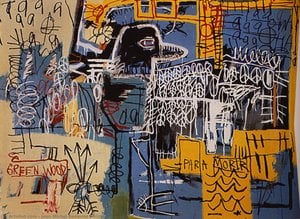
The most famous Neo-expressionist artista is Jean Michel Basquiat (1960–1988), known for Untitled - Testa di Diavolo, (Collezione Ampia, LA) e Pesca di Pesci. Next come Anselm Kiefer, Cy Twombly, Julian Schnabel e Georg Baselitz. This ranking of the 13 most famous Neo-expressionist artisti runs from Philip Guston (born 1913) to Chris Ofili (born 1968), across 7 countries.

How this list is ranked. Artists whose works our catalogue files under Neo-expressionist, in the order of our fame ranking of artists. Artists without a Wikidata identifier born after 1955 are left out until verified. The Wikipedia figure next to each name is the number of our 32 languages in which Wikipedia has an article on the artist.

  1. Untitled - Testa di Diavolo, (Collezione Ampia, LA) di Jean Michel Basquiat1Jean Michel Basquiat
  2. Athanor di Anselm Kiefer2Anselm Kiefer
  3. Untitled, (Peony Blossom Painting) di Cy Twombly3Cy Twombly

The essentials

Neo-expressionist at a glance

  • 13Artisti
  • 1913–1968Anni di nascita
  • 7Paesi di origine
  • 1Donne
  • 5Artisti contemporanei
  • 545Opere nel nostro catalogo
Città con più nascite
Park Slope (1), Donaueschingen (1), Lexington (1), Brooklyn (1)
I musei che custodiscono le opere più iconiche
Art Gallery of New South Wales (1), Toledo Museum of Art (1), Solomon R. Guggenheim Museum (1), ALBERTINA KLOSTERNEUBURG (1)
Le donne in questa lista
Jennifer Bartlett

Ranked, with their masterpieces

The ranking: 13 Neo-expressionist Artisti and their key works

1of 13

Jean Michel Basquiat

American Born in Park Slope Neo-Expressionismo Wikipedia in 29/32 languages

Jean Michel Basquiat

By the early 1980s, Basquiat transitioned from graffiti to canvas, rapidly gaining recognition within the New York art world. His paintings weren’t easily categorized; they were a unique synthesis of influences ranging from Abstract Expressionism to tribal art, comic books, and historical painting. In the years since his death, Basquiat’s reputation has only grown.

Key works · The 100 most famous works

2of 13

Anselm Kiefer

Germano Born in Donaueschingen Neo-Espressionismo Wikipedia in 23/32 languages

Anselm Kiefer

Anselm Kiefer si erge come una delle voci più profonde e distintive del Neoespressionismo, un movimento artistico emerso tra la fine degli anni '70 e l'inizio degli anni '80 come una potente reazione all'austerità del Minimalismo e dell'Arte Concettuale. Nato a Donaueschingen, in Germania, nel 1945, l'esistenza stessa di Kiefer è indissolubilmente legata alle conseguenze della Seconda Guerra Mondiale.

Key works · The 100 most famous works

4of 13

Julian Schnabel

American Born in Brooklyn Neo-Expressionism

Julian Schnabel

Ornamental Despair, The Student of Prague, and Fakires exemplify this early period, showcasing a bold rejection of minimalist austerity in favor of maximalist expression. While his success was swift, it wasn’t without controversy; critics like Robert Hughes famously dismissed his work as bombastic and self-indulgent, comparing it unfavorably to physical displays of strength rather than artistic merit. His works are now held in major museum collections worldwide, including the Metropolitan Museum of Art, MoMA, the Whitney Museum, Tate Modern, and the Centre Pompidou—a testament to his enduring impact on contemporary art.

Key works · The 100 most famous works

5of 13

Georg Baselitz

German Born in Deutschbaselitz Neo-Expressionism Wikipedia in 26/32 languages

Georg Baselitz

Nato Hans-Georg Bruno Kern il 23 gennaio 1938, nel piccolo villaggio tedesco di Deutschbaselitz, l'artista che sarebbe diventato noto al mondo come Georg Baselitz è stato un figlio di profonde transizioni e sconvolgimenti. Crescendo nella regione della Lusazia, tra le macerie letterali e metaforiche della Seconda Guerra Mondiale, la sua coscienza primordiale è rimasta indissolubilmente legata ai temi della distruzione, dello spostamento e dell'ordine fratturato di una società devastata.

Key works · The 100 most famous works

6of 13

Philip Guston

Born in Montréal Wikipedia in 15/32 languages

Philip Guston

Espressionismo Astratto: Negli anni '50, Guston ottenne riconoscimento per i suoi dipinti espressionisti astratti, caratterizzati da composizioni dinamiche e pennellate gestuali. Passaggio al Figurativo: A metà degli anni '60, rinnegò drammaticamente l'astrazione, aprendo la strada a una forma modificata di arte rappresentazionale nota come neo-espressionismo.

Key works · The 100 most famous works

7of 13

Chris Ofili

Britannico Born in Manchester Punk art Wikipedia in 10/32 languages

Chris Ofili

Il riconoscimento come membro del gruppo Young British Artists lo ha portato in prima linea in una generazione che ha ridefinito la pittura contemporanea.

Key works · The 100 most famous works

8of 13

Richard John Spare

Britannico Born in London ['Espressionismo', 'Arte naïf']

Richard John Spare

Sebbene celebre per il suo lavoro nel campo della stampa grafica, Spare iniziò a concentrarsi sulle proprie iniziative artistiche negli anni ’80, ampliando ulteriormente il suo repertorio creativo. Questi metodi garantiscono risultati sorprendenti nella resa delle atmosfere naturali con linee espressive e sfumature di colore sottili.

Key works · The 100 most famous works

9of 13

Rainer Fetting

German Born in Wilhelmshaven Neo-Expressionism Wikipedia in 6/32 languages

Rainer Fetting

Il suo stile artistico si sviluppò rapidamente, abbandonando inizialmente le forme geometriche della scuola minimalista per concentrarsi sulla rappresentazione della figura umana e del paesaggio urbano. Questo approccio espressivo fu influenzato dall'opera di artisti come Vincent van Gogh e gli Espressionisti tedeschi, che egli considerava modelli di autenticità emotiva e forza comunicativa.

Key works · The 100 most famous works

10of 13

Richard Spare

Britannico Born in Chelmsford Incisione, Pittura a olio

Richard Spare

Dopo il college, l'apprendistato di Spare presso la Thomas Ross & Son si è rivelato prezioso.로 In questo contesto, ha affinato le sue abilità nella stampa mezzotinto e nel restauro, lavorando a progetti di grande rilievo come le opere di George Stubbs per la Tate Gallery e restaurando meticolosamente le acqueforti di J.M.W.

Key works · The 100 most famous works

11of 13

Anthony Sims

Americana Born in Southaven Neo-espressionismo, Glitch art

Anthony Sims

Ciò che distingue Sims non è solo la sua visione artistica, ma anche il suo background tecnico. Ha iniziato a sperimentare con il Bitcoin all'età di 16 anni, riconoscendone precocemente il potenziale: una testimonianza della sua curiosità innata e della sua volontà di abbracciare l'innovazione.

Key works · The 100 most famous works

12of 13

Thiago Boecan

Brasiliano Born in San Paolo ['Arte Neo-Figurativa', 'Arte Astratta']

Thiago Boecan

Sebbene formato formalmente nel design, Boecan è gravitato verso la pittura come mezzo per esprimere esperienze più sfumate e soggettive. L'influenza dell'Arte Neo-Figurativa brasiliana è palpabile: un movimento noto per la sua intensità psicologica e per l'esplorazione della condizione umana.

Key works · The 100 most famous works

13of 13

Jennifer Bartlett

American Born in Long Beach Conceptual Art & Neo-Expressionism Wikipedia in 4/32 languages

Jennifer Bartlett

Nata Jennifer Losch nel 1941 nei litorali di Long Beach, in California, la sua infanzia fu immersa in una duplice e unica influenza. Il percorso intellettuale di Bartlett la portò dall'atmosfera sperimentale del Mills College di Oakland alle rigorose aule della Yale School of Art and Architecture.

Key works · The 100 most famous works

The paintings behind the names

Famous Neo-expressionist works and the artists who made them

  1. Untitled - Testa di Diavolo, (Collezione Ampia, LA) di Jean Michel Basquiat

    Untitled - Testa di Diavolo, (Collezione Ampia, LA)

    Jean Michel Basquiat

    1981

  2. Athanor di Anselm Kiefer

    Athanor

    Anselm Kiefer

    1984 · Toledo Museum of Art

  3. Untitled, (Peony Blossom Painting) di Cy Twombly

    Untitled, (Peony Blossom Painting)

    Cy Twombly

    2007

  4. Ornamental Despair di Julian Schnabel

    Ornamental Despair

    Julian Schnabel

  5. Der hirte di Georg Baselitz

    Der hirte

    Georg Baselitz

  6. To Fellini di Philip Guston

    To Fellini

    Philip Guston

    1958

  7. La Sacra Vergine Maria di Chris Ofili

    La Sacra Vergine Maria

    Chris Ofili

    1996 · Museum of Modern Art, New York City

  8. Cornish Landscape di Richard John Spare

    Cornish Landscape

    Richard John Spare

    1980

Through time

A Neo-expressionist timeline in masterpieces

  1. 1958
  2. 1980
  3. 1981
  4. 1983
  5. 1984
  6. 1991
  7. 1996
  8. 2007

In figures

By the numbers

All of them, in order

List of the 13 famous Neo-expressionist artisti

  1. 1Jean Michel BasquiatJean Michel BasquiatAmerican · 1960–1988
  2. 2Anselm KieferAnselm KieferGermano · nato nel 1945
  3. 3Cy TwomblyCy Twombly1928–2011
  4. 4Julian SchnabelJulian SchnabelAmerican · nato nel 1951
  5. 5Georg BaselitzGeorg BaselitzGerman · 1938–2026
  6. 6Philip GustonPhilip Guston1913–1980
  7. 7Chris OfiliChris OfiliBritannico · nato nel 1968
  8. 8Richard John SpareRichard John SpareBritannico · nato nel 1951
  9. 9Rainer FettingRainer FettingGerman · nato nel 1949
  10. 10Richard SpareRichard SpareBritannico ·
  11. 11Anthony SimsAnthony SimsAmericana ·
  12. 12Thiago BoecanThiago BoecanBrasiliano ·
  13. 13Jennifer BartlettJennifer BartlettAmerican · 1941–2022

Your questions, answered

Frequently asked questions

  • Which Neo-expressionist artista is the most famous?

    First place goes to Jean Michel Basquiat (#1); Anselm Kiefer (#2) and Cy Twombly (#3) complete the podium.

  • Which five Neo-expressionist artisti should everyone know?

  • Who was the earliest Neo-expressionist artista?

    The earliest-born artista in this list is Philip Guston (#6), born in 1913.

  • Who are the great women of Neo-expressionist art?

    The women of this list (1): Jennifer Bartlett (#13).

  • When did the famous Neo-expressionist artisti live?

    Most artisti in this list were born in the 1940s (3 of 13), between 1913 and 1968 overall.

  • Which museums hold the most Neo-expressionist art?

    The museums holding the most key works of this list are Art Gallery of New South Wales (1), Toledo Museum of Art (1) e Solomon R. Guggenheim Museum (1).

  • What techniques did Neo-expressionist artisti use?

    “La tecnica di Kiefer è caratterizzata da una stratificazione intensa e spessa dell'impasto.” — from our biography of Anselm Kiefer (#2).

  • Where were most Neo-expressionist artisti born?

    Stati Uniti d'America: 4 of the 13 artisti in this list were born there, then Germania (3) e Regno Unito (2).

  • Who are the most famous living Neo-expressionist artisti?

    The highest-ranked living artisti in this list are Anselm Kiefer (#2), Julian Schnabel (#4), Chris Ofili (#7), Richard John Spare (#8) e Rainer Fetting (#9).

  • Where can I buy Neo-expressionist art?

    Our catalogue holds 545 works by these artisti.

Keep reading

Further reading on WahooArt.com

Other movements

Famous artists of other movements

Other periods

Famous artists of other periods

More rankings

Explore more