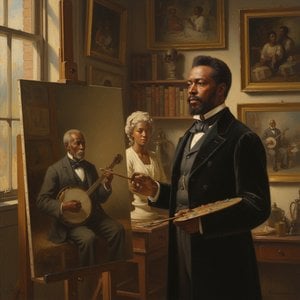
Thomas Joseph Odhiambo Mboya: A Voice for Kenyan Independence
Thomas Joseph Odhiambo Mboya (August 15, 1930 – July 5, 1969) stands as a monumental figure in Kenya’s history—a charismatic trade unionist, educator, Pan-Africanist, author, and statesman who spearheaded the nation's struggle for self-determination. Born in Kilimambogo, Kenya, Mboya ascended from humble beginnings to become one of the architects of Kenya’s independence, embodying a spirit of unwavering conviction and intellectual brilliance that resonated globally. His legacy continues to inspire discussions about leadership, social justice, and the pursuit of liberation.
Early Life and Education
Mboya's formative years were shaped by his Luo heritage and education at mission schools—institutions that instilled in him a deep appreciation for humanist values and a commitment to intellectual rigor. Recognizing his potential early on, he pursued higher studies at Ruskin College Oxford, honing his analytical skills and broadening his understanding of political thought. This academic grounding would prove invaluable as he navigated the turbulent landscape of Kenya’s nationalist movement. He was particularly drawn to thinkers advocating for social justice and self-governance—influences that would permeate his entire intellectual trajectory.
The Trade Union Movement and Kenyan Nationalism
Mboya's involvement in the burgeoning trade union movement marked a pivotal moment in Kenya’s trajectory toward independence. Serving as General Secretary of the Kenya Federation of Labour (KFL), he skillfully mobilized workers across ethnic divides, advocating for fair labor practices and bolstering the collective bargaining power of Kenyan laborers. His unwavering dedication to securing Kenya’s freedom cemented his position as a central figure in shaping the nation's destiny. Beyond mere advocacy for worker rights, Mboya championed a vision of Kenyan society rooted in inclusivity and mutual respect—a sentiment powerfully reflected in his artistic endeavors. He skillfully utilized rhetoric and persuasive argumentation to galvanize support for nationalist aspirations, demonstrating an exceptional talent for communication that captivated audiences both domestically and internationally.
Lancaster House Conferences and Independence Negotiations
The Lancaster House Conferences of 1963 witnessed Mboya’s masterful negotiation skills come to the forefront as he championed the interests of Kenyan nationalists amidst complex discussions about governance and constitutional arrangements. His eloquence and persuasive arguments captivated audiences worldwide, securing crucial concessions that paved the way for Kenya's formal independence—a triumph fueled by his resolute determination and unwavering belief in the transformative power of unity. He tirelessly defended the principles of self-determination and democratic representation, ensuring that Kenya’s future would be guided by values of liberty and justice.
Political Leadership and Economic Policy
Following independence, Mboya served as Minister for Justice and Constitutional Affairs, overseeing the drafting of Kenya’s constitution and advocating for fundamental rights enshrined within its framework. He championed a capitalist mixed economy policy—a bold departure from colonial legacies—aimed at fostering economic growth and promoting social mobility. Despite facing opposition from some quarters within Kenyatta's administration, Mboya remained steadfast in his conviction that Kenya could achieve prosperity through pragmatic reforms rooted in democratic principles. His artistic output during this period reflected the dynamism of Kenyan society undergoing rapid transformation—a testament to his ability to capture the spirit of an era defined by aspiration and progress.
Legacy and Assassination
Thomas Joseph Odhiambo Mboya’s untimely assassination in July 1969 shocked Kenya and underscored the fragility of political progress. Despite his tragic demise, Mboya's influence endured—his unwavering commitment to Pan-African ideals continued to inspire activists and intellectuals alike. He remains a symbol of Kenyan resilience and visionary leadership—a testament to the transformative power of intellect, charisma, and an unyielding pursuit of justice for all Kenyans. His art reflects this spirit, embodying the complexity and urgency of his time—a poignant reminder of a brilliant mind silenced too soon.