Primi Anni e l'Apprendistato
Thomas Bardwell, nato nel 1704, emerse da una famiglia profondamente radicata nelle arti decorative piuttosto che nel consolidato mondo della pittura fine. Il suo primo approccio all'arte non avvenne attraverso un addestramento formale, ma rispondendo alle necessità pratiche dell'attività familiare a Bungay, nel Suffolk. Iniziò realizzando pannelli dipinti: ornamenti funzionali che, tuttavia, richiedevano un occhio acuto per la composizione e il colore. Questa esperienza giovanile, seppur umile, gettò le basi cruciali per il suo successo futuro, instillandogli un appro di meticolosità artigianale e una comprensione dell'impatto visivo delle immagini, ancor prima che aspirasse consapevolmente a diventare un ritrattista. Le sue opere più antiche documentate, i "conversation pieces" del 1736 – tra cui uno che potrebbe raffigurare la famiglia Brewster di Beccles, oggi conservato al Geffrye Museum – offrono scorci di questo periodo formativo. Questi dipinti, scene intime che catturano la vita familiare, rivelano un talento emergente per la caratterizzazione e il dettaglio narrativo, accennando a una sensibilità che sarebbe fiorita nelle sue commissioni più ambiziose.Aprire Nuove Strade a Norwich
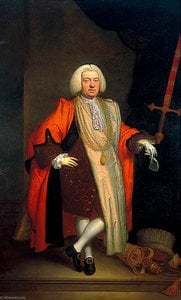
La traiettoria di Bardwell prese una svolta significativa nel 1746, quando ottenne una commissione dalla Artillery Company di Norwich per ritrarre William Crowe, destinato a diventare sindaco. Non si trattava di un semplice ritratto; rappresentava una sfida all'ordine artistico stabilito nella città. Fino ad allora, John Theodore Heins, un artista di origine tedesca, aveva detenuto un quasi monopolio sulla ritrattistica civica a Norwich. Il successo di Bardwell nel catturare la somiglianza di Crowe – e nell'assicurarsi questa prestigiosa commissione – spezzò efficacemente tale egemonia, segnandolo come una nuova e formidabile presenza sulla scena artistica locale. Questo trionfo iniziale portò a una serie di nove ritratti per la St Andrew's Hall di Norwich, consolidando la sua reputione e stabilendo uno stile distintivo prediletto dai cittadini più illustri della città. Non stava semplicemente dipingendo volti; stava diventando parte integrante della documentazione della società stessa di Norwich.Commissioni a Londra e Profondità Allegorica
Gli anni Quaranta e Cinquanta del Settecento videro Bardwell estendere il proprio raggio d'azione fino a Londra, dove intraprese varie commissioni di ritrattistica. Tuttavia, fu in questo periodo che si spinse oltre la semplice rappresentazione, dimostrando l'ambizione verso opere allegoriche più complesse. Joshua Ward che riceve denaro da Britannia (e lo distribuisce come carità ai bisognosi), dipinto nel 1748 e ora parte della collezione del Royal College of Surgeons, ne è un esempio magistrale. Questo dipinto non è solo il ritratto del Dr. Joshua Ward; è una narrazione visiva accuratamente costruita. Le figure simboliche di Britannia e della Carità che fiancheggiano Ward, unite alla folla di pazienti riconoscenti, elevano l'opera oltre la mera somiglianza per trasformarla in una celebrazione della filantropia e della virtù civica. Un'incisione tratta da quest'opera, probabilmente opera di Bernard Baron, diffuse ulteriormente la sua iconografia e la sua influenza. Questo periodo rivela la crescente raffinatezza di Bardwell nell'uso del simbolismo per infondere ai suoi ritratti un significato più profondo, allontanandolo dalla pura rappresentazione descrittiva verso opere che dialogavano attivamente con temi morali e sociali.Yorkshire, Scozia e il Ritorno a Norwich
Il viaggio artistico di Bardwell non si limitò al sud dell'Inghilterra. Tra il 1752 e il 1753, intraprese una vasta serie di commissioni in Yorkshire e in Scozia, ampliando la sua esposizione a diversi patroni e stili regionali. Questo periodo influenzò probabilmente la sua tecnica e affinò ulteriormente la sua capacità di adattarsi a diverse preferenze estetiche. Tuttavia, entro il 1759, Bardwell prese la decisione di stabilirsi permanentemente a Norwich. Divenne una figura centrale nella comunità artistica cittadina, celebrato per la sua abilità e dedizione. Un necrologio pubblicato su un giornale locale lo lodò come “un eminente pittore di ritratti... che principalmente attraverso il potere del genio e lo sforzo dell'applicazione, acquisì un grado di perfezione nella sua arte”.Eredità e Contributi Teorici
L'impatto di Bardwell andò oltre la tela. Nel 1756, pubblicò The Practice of Painting and Perspective Made Easy, un trattato di 64 pagine dedicato all'Earl di Rochford. Quest'opera non era un semplice manuale tecnico; rifletteva la sua stessa filosofia artistica e offriva guide pratiche per gli aspiranti pittori. Dimostrava l'impegno nel condividere il proprio sapere e nel promuovere l'arte della pittura oltre la propria cerchia ristretta. Secondo una storia generale del Norfolk pubblicata nel 1829, “i suoi migliori ritratti si trovano a Langley”, con opere di Turner e Carr che includono soggetti storici dipinti da Bardwell. Sebbene non abbia raggiunto la fama universale di alcuni suoi contemporanei, Thomas Bardwell riuscì a ritagliarsi una nicchia significativa come abile ritrattista, rompitore di monopoli artistici e pensatore attento al discorso sulla pittura nell'Inghilterra del XVIII secolo. La sua eredità risiede non solo nei volti che ha immortalato, ma anche nella qualità duratura della sua maestria e nella sua dedizione all'elevazione dell'arte del ritratto all'interno della sua comunità.Domande e risposte
Quali emozioni esprimono le opere di Thomas Bardwell?
La Spazi d'atmosfera di Thomas Bardwell raccoglie le opere dell'artista suddivise per umore.
In quali periodi è suddivisa la carriera di Thomas Bardwell?
La Cronologia artistica di Thomas Bardwell è una linea temporale interattiva che presenta le opere dell'artista in ordine cronologico, suddivise in capitoli corrispondenti ai diversi periodi della sua carriera.
A quale periodo storico appartiene l'opera di Thomas Bardwell?
Thomas Bardwell ha operato nel periodo Età Moderna, collocando storicamente la sua attività.