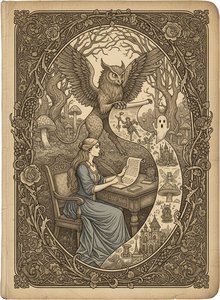
Stephen Reid: A Scottish Visionary of Georgian England
Born in Aberdeen, Scotland, in 1873, Stephen Reid emerged as a significant figure in the late 19th and early 20th centuries—a master of depicting the elegance and social intricacies of Georgian England. His artistic journey was shaped by a rigorous education at Robert Gordon’s College and further refined through studies at the Gray's School of Art and the Royal Scottish Academy, ultimately leading him to be elected to the prestigious Royal Society of British Artists (RBA) in 1903—a testament to his burgeoning talent. Reid’s work wasn’t merely a record of historical settings; it was an immersive experience, capturing not just appearances but also the atmosphere and social dynamics of the era.
Early influences were notably shaped by Edwin Austin Abbey, whose meticulous attention to detail and romanticized depictions of medieval England provided a foundational aesthetic. However, Reid quickly developed his own distinctive style—characterized by a remarkable ability to render fabrics with astonishing realism, a keen eye for costume design, and an evocative use of light and shadow. He wasn’t simply illustrating historical scenes; he was constructing narratives within them, subtly revealing the lives and relationships of those depicted.
A Career in Illustration and Beyond
Reid's career unfolded across diverse platforms—from contributing to leading magazines like The Strand Magazine and The Connoisseur to illustrating a remarkable array of books. His illustrations for works such as The Magic Casement (an anthology of fairy poetry) showcased his versatility and ability to adapt his style to different genres. He also found success in the realm of children’s literature, producing charming and detailed depictions of historical settings.
Beyond illustration, Reid was a dedicated painter, creating numerous oil paintings that often mirrored the themes explored in his illustrations. These works frequently featured grand interiors—drawing rooms filled with elegantly dressed figures engaged in conversation, bustling marketplaces teeming with activity, or stately homes echoing with history. His meticulous attention to detail and masterful use of color created a sense of immediacy and transportive quality, allowing viewers to step back in time and experience the world as it was.
Themes and Techniques
Reid’s art is deeply rooted in the Victorian aesthetic—a fascination with history, social hierarchy, and the romantic ideal. He frequently depicted scenes of leisure and refinement, showcasing the opulent lifestyles of the upper classes. However, his work wasn't simply celebratory; it often subtly hinted at the underlying tensions and inequalities of the era. His masterful rendering of fabrics—velvets, silks, brocades—was a hallmark of his style, achieved through painstaking observation and an understanding of their textures and patterns.
Furthermore, Reid’s use of light was particularly noteworthy. He skillfully employed chiaroscuro—the dramatic contrast between light and shadow—to create depth, mood, and atmosphere. This technique not only enhanced the realism of his paintings but also served to draw the viewer's eye to key elements within the composition.
Legacy and Recognition
Stephen Reid’s work continues to be appreciated for its historical accuracy, artistic skill, and evocative quality. His illustrations are found in numerous public collections—including those at the Royal Albert Memorial Museum in Exeter and the Aberdeen Maritime Museum—and his paintings have been exhibited both nationally and internationally. He was a significant contributor to the field of illustration during a period of great change and innovation, and his legacy as a master of Georgian England endures.
His life wasn’t without its complexities; Reid later became involved in criminal activity, culminating in a prison sentence. However, even this chapter of his life is now viewed through the lens of his artistic achievements—a testament to the enduring power and fascination of his work.