Early Life and Training
Salvatore Corvaya was born in Licata, Italy, in 1872. Details about his formative years remain somewhat obscure, yet he embarked on a path dedicated to artistic expression from an early age. His training encompassed both traditional academic methods and explorations of emerging stylistic trends—a testament to his intellectual curiosity and willingness to embrace innovation. While biographical information is scarce, archival records indicate that Corvaya honed his skills in drawing and painting under the tutelage of respected instructors within Licata’s artistic community.
Artistic Style
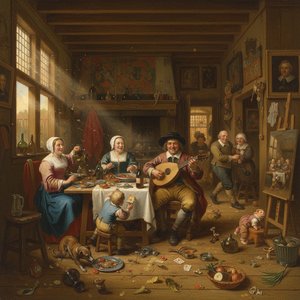
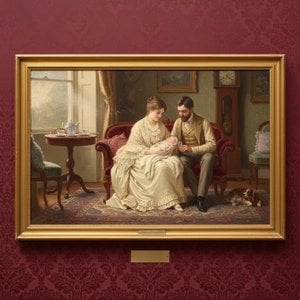
Corvaya's oeuvre distinguishes itself through a masterful blend of genre painting and miniaturist artistry. He possessed an exceptional ability to depict scenes from everyday life with remarkable realism and sensitivity, capturing nuanced emotions and social interactions. Simultaneously, his miniature works showcased meticulous attention to detail—a hallmark of the era—employing delicate brushstrokes and subtle color palettes to convey profound artistic vision. His style echoes influences from Romanticism and Modernism, reflecting a broader artistic landscape marked by experimentation and emotional depth. Comparisons with luminaries like Francesco Hayez and Mimmo Paladino underscore Corvaya’s contribution to Italian art history.
Notable Works
Among Corvaya's most celebrated creations is “Portrait of Lola (Rosa) Peduzzi Binda,” an evocative depiction capturing the subject’s gaze and demeanor with remarkable precision. This painting exemplifies his genre style, skillfully conveying psychological complexity within a formal portrait format. Furthermore, his miniature paintings—such as “Saint George and the Dragon”—demonstrate unparalleled technical virtuosity and artistic sensitivity. These works stand as enduring symbols of Corvaya's artistic prowess and unwavering commitment to capturing beauty in miniature form.
Influences and Legacy
Salvatore Corvaya’s artistic journey was shaped by movements that championed emotional expression and stylistic innovation. Romanticism instilled within him a passion for dramatic landscapes and emotive narratives, while Modernism encouraged exploration beyond conventional boundaries—a spirit evident throughout his oeuvre. His legacy extends beyond individual artworks; it resides in the broader context of Italian art history, where he is recognized as a pivotal figure who bridged the gap between tradition and experimentation. Artists like Girolamo Francesco Maria Mazzola benefited from Corvaya’s pioneering approach to artistic technique and conceptual vision.
Conclusion
Salvatore Corvaya (1872-1962) cemented his place in Italian art history as a gifted painter whose work continues to inspire admiration. His paintings are housed in prestigious institutions like Fondazione Cariplo, ensuring that his artistic legacy endures for generations to come. For deeper insights into Corvaya’s life and artistic accomplishments, consult https://WahooArt.com/@/salvatore-corvaya/. Explore the broader panorama of Italian art at https://WahooArt.com/art.nsf/all-popular-artists/.