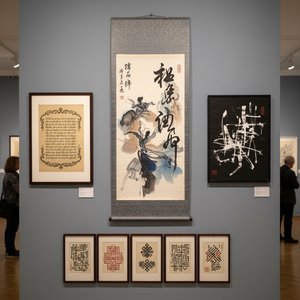
Un Arazzo di Spirito e Linea
L'arte di Salma Arastu è una profonda meditazione sui fili che legano l'umanità, tessuta da una vita trascorsa attraverso vasti paesaggi culturali. Nata nel 1950 nella vibrante regione del Rajasthan, in India, in una famiglia indù Sindhi colpita dallo spostamento causato dalla Partizione, l'esistenza primordiale di Arastu è stata segnata da temi di movimento e trasformazione. Questo senso di resilienza è stato ulteriormente forgiato dal suo percorso personale nel navigare il mondo con una differenza fisica — essere nata senza dita nella mano sinistra — una realtà che ha saputo trasformare, attraverso l'arte, in una fonte di autodeterminazione e identità. Gli anni formativi in India, radicati sia nelle tradizioni indù che in quelle sindhi, hanno fornito una ricca base spirituale ed estetica che sarebbe poi sbocciata in un linguaggio artistico dal respiro globale.
La formazione accademica di Arastu presso la Maharaja Sayajirao University di Baroda le ha permesso di affinare la sua maestria tecnica, eppure sono stati i suoi successivi viaggi a espandere veramente il suo vocabolario visivo. Durante un decennio trascorso vivendo e lavorando in Iran e Kuwait, si è immersa nella bellezza ritmica delle arti islamiche e nella precisione meditativa della calligrafia araba. Questo periodo è stato trasformativo, poiché ha iniziato a congiungere l'ethos contemplativo della spiritualità islamica con le intricate tradizioni della sua eredità indiana. Quando nel 1986 si è emigrata negli Stati Uniti, queste diverse influenze — che spaziano dalle miniature persiane ai vasti paesaggi della California — si sono fuse in uno stile unico e lirico, caratterizzato da linee fluide e un uso delicato e luminoso del colore.
Il Linguaggio della Connessione
La pratica multidisciplinare di Arastu è una testimonianzione del potere dell'arte come strumento di guarigione e unità. Che lavori nella pittura, nella scultura, nella calligrafia o nella poesia, la sua opera cerca di esprimere un'esperienza umana universale che trascende i confini e i sistemi di credenze. Il suo lavoro presenta spesso elementi figurativi stilizzati e astrazioni stratificate che invitano l'osservatore in uno stato di indagine spirituale. In serie come Night Time Stories, adatta il formato tradizionale della miniatura per narrare storie personali e collettive, infondendo vita contemporanea in forme antiche attraverso composizioni sofisticate e dettagli emotivi.
Oltre la figura umana, le recenti esplorazioni di Arastu si sono rivolte verso l'ecologia, trovando un profondo simbolismo nel mondo naturale. In serie come Mycelial Flow e Tiny Creatures: Our Invisible Sustainers, esplora il concetto di simbiosi, attirando l'attenzione sulle forme di vita microscopiche che sostengono il nostro pianeta. Questa coscienza ecologica riflette il suo impegno più ampio verso i temi dell'unità — l'idea che tutta la vita, dal più piccolo microrganismo alla più vasta comunità umana, sia interconnessa. Il suo uso di linee vibranti e fluide funge da metafora visiva di questa stessa connettività, guidando l'occhio attraverso composizioni che appaiono al contempo radicate nella terra ed elevate dallo spirito.
Un'Eredità di Dialogo Globale
In una carriera che abbraccia oltre cinque decenni, Salma Arastu si è affermata come una voce vitale nell'arte contemporanea, partecipando a significativi dialoghi culturali in tutto il mondo. Le sue mostre hanno adornato istituzioni prestigiose, dal Museum of Modern Art di Hyderabad al 9/11 Memorial Museum di New York, dimostrando la sua capacità di risuonare con pubblici che affrontano diverse realtà storiche e sociali. Gli eventi dell'11 settembre 2001 hanno ulteriormente affinato il suo focus artistico sui temi della guarigione, della speranza e del destino condiviso di tutti i popoli, rendendo la sua opera un faro di pace in tempi turbolenti.
Il significato del contributo di Arastu risiede nella sua capacità di agire come un ponte culturale. I suoi traguardi non si misurano solo nei migliaia di dipinti che ha prodotto o nei numerosi premi ricevuti, ma nel modo in cui la sua arte promuove l'empatia e la comprensione. Attraverso la sua unica combinazione di:
- Grazia Calligrafica: Utilizzando il movimento ritmico della scrittura per trasmettere emozione e sacralità.
- Sintesi Culturale: Fondendo l'eredità indiana con le tradizioni spirituali islamiche per creare un'estetica nuova e inclusiva.
- Temi Universali: Affrontando l'identità, la resilienza e l'interconnessione di tutti gli esseri viventi.
Arastu rimane una forza attiva e vitale nel suo studio, continuando a spingere i confini del suo medium e ricordandoci che, attraverso la creatività, possiamo trovare il terreno comune necessario per sostenere la nostra umanità condivisa.