Una vita dipinta di luce: l'evocativo mondo di Robert Winter Fraser
Robert Winter Fraser, nato nel Regno Unito nel 1872 e scomparso nel 1930, rimane una figura affascinante nel panorama dell'arte britannica. Sebbene non sia celebrato tanto quanto alcuni dei suoi contemporanei, l'opera di Fraser possiede un potere silenzioso, una delicata sensibilità verso la luce e l'atmosfera che continua a risuonare negli spettatori di oggi. I suoi dipinti sono finestre su un mondo intriso di tradizione romantica, eppure sottilmente infusi di una visione distintamente personale. Le informazioni riguardanti la sua giovinezza sono scarse, aggiungendo un alone di mistero alle origini di questo talentuoso artista; tuttavia, è chiaro dalla sua opera che ricevette una solida formazione artistica, probabilmente all'interno delle convenzioni stabilite dell'epoca. Non si limitava a replicare le scene, ma le interpretava attraverso una lente di emozione e sensibilità poetica.L'abbraccio del Romanticismo e del paesaggio
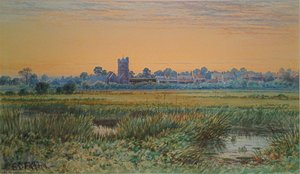
Lo sviluppo artistico di Fraser era profondamente radicato nel movimento Romantico, un'era che privilegiava l'esperienza emotiva e la sublime bellezza della natura. Sebbene l'apice del Romanticismo fosse già passato alla sua nascita, la sua influenza permeava il mondo dell'arte, in particolare nella pittura di paesaggio. Fraser abbracciò questa tradizione con tutto il cuore, raffigurando scene spesso caratterizzate da una luce morbida, prospettiva atmosferica e un senso di tranquillità. Le sue tele non sono grandi proclami sulla potenza della natura, quanto piuttosto incontri intimi con essa: boschi silenziosi, fiumi avvolti dalla nebbia e prati punteggiati dal sole. Egli eccelleva nel catturare i momenti fugaci della bellezza naturale, il modo in cui la luce trasforma un paesaggio durante il giorno. La sua opera evoca spesso un sentimento di nostalgia, un desiderio per un tempo più semplice e connesso alla terra. Ciò non significa che i suoi paesaggi siano privi di dettagli; al contrario, dimostrano un'attenzione meticolosa alle particolarità della natura: la consistenza della corteccia, il incresparsi dell'acqua, le delicate sfumature dei fiori selvatici.Il ritratto e il tocco umano
Sebbene Fraser sia noto principalmente per le sue opere paesaggistiche, produsse anche un numero significativo di ritratti. Questi dipinti rivelano un'altra sfaccettatura del suo talento artistico: la capacità di catturare non solo la somiglianza fisica, ma anche il carattere interiore dei suoi soggetti. Il suo stile ritrattistico condivide molte somiglianze con i suoi paesaggi: una tavolozza morbida, pennellate delicate e un focus sulla creazione di una composizione armoniosa. Non era interessato a ritrarre ricchezza o status; cercava invece di rivelare l'umanità dei suoi soggetti. I ritratti presentano spesso individui inseriti in contesti naturali, enfatizzando ulteriormente la connessione di Fraser con il paesaggio e la sua convinzione nell'interconnessione di tutte le cose.Temi e simbolismo
I temi ricorrenti nell'opera di Fraser includono il passare del tempo, la bellezza della campagna inglese e l'importanza di trovare sollievo nella natura. I suoi dipinti presentano spesso elementi che simboleggiano queste idee: alberi antichi che rappresentano la longevità, l'acqua corrente che simboleggia il flusso costante della vita e giardini isolati che evocano un senso di pace e tranquillità.- L'uso della luce è particolarmente significativo.
- Fraser impiegava frequentemente una luce morbida e diffusa per creare un'atmosfera onirica.
- Le ombre sono utilizzate non per oscurare, ma per esaltare il senso di profondità e mistero.
Significato storico ed eredità
L'opera di Robert Winter Fraser occupa una posizione unica nella storia dell'arte britannica. Non fu un artista rivoluzionario che sfidava le convenzioni stabilito, ma piuttosto un abile praticante che raffinò e perfezionò le tradizioni esistenti. I suoi dipinti offrono uno sguardo su un'epoca passata, un tempo in cui gli artisti cercavano di catturare la bellezza del mondo naturale e trasmettere l'esperienza emotiva attraverso il loro lavoro. Sebbene il suo nome possa non essere familiare quanto quello di alcuni dei suoi più famosi contemporanei, l'eredità di Fraser vive nei paesaggi evocativi e nei ritratti sensibili che continuano a affascinare il pubblico odierno. I suoi dipinti fungono da promemoria del potere dell'arte di trasportarci in un altro tempo e in un altro luogo, e di connetterci con la bellezza e la tranquillità del mondo naturale. La collezione WahooArt offre un'eccellente opportunità per apprezzare la profondità e la sottigliezza di questo artista britannico spesso trascurato, assicurando che la sua opera continui a ispirare le generazioni future.Domande e risposte
Di dove è Robert Winter Fraser?
Robert Winter Fraser è nato/a in Regno Unito.
Dove posso vedere il profilo cromatico delle opere di Robert Winter Fraser?
Il profilo cromatico delle opere di Robert Winter Fraser è consultabile nella pagina Profilo Cromatico dell'Artista dell'artista.
Come si è evoluta l'arte di Robert Winter Fraser nel tempo?
La carriera di Robert Winter Fraser si svela periodo dopo periodo nella pagina Cronologia artistica: una linea temporale orizzontale delle opere, raggruppate in capitoli relativi ai vari periodi della sua carriera.