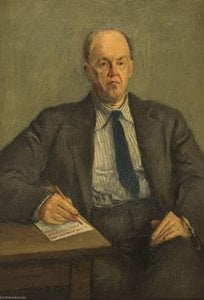
L'Anima della Città: La Vita e l'Eredità di Raphael Soyer
Nel panorama frenetico e spesso indifferente della New York del XX secolo, pochi artisti sono riusciti a catturare il battito silenzioso e malinconico dell'umanità urbana con la stessa tenerezza di Raphael Soyer. Nato nel 1899 a Borisoglebsk, in Russia, il percorso di Soyer fu segnato dalla migrazione, dalla resilienza e da un incrollabile impegno verso la verità rappresentativa. Insieme al fratello gemello identico, Moses, Raphael crebbe in una casa dove l'intelletto e l'arte erano primari. Suo padre, Abraham, studioso ebreo e insegnante, favorì un ambiente di profonda ricerca accademica che avrebbe successivamente fornito l'impalcatura intellettuale per la critica sociale di Raphael. La fuga della famiglia dall'oppressione russa nel 1912 li condusse negli Stati Uniti, stabilendosi infine nel Bronx, dove l'energia cruda e vibrante di New York sarebbe diventata la protagonista assoluta della vita e delle opere di Soyer.
L'evoluzione artistica di Soyer affondava le radici nelle tradizioni pedagogiche delle grandi istituzioni americane. La sua formazione iniziale presso le Free Schools della Cooper Union — dove strinse un legame indissolubile con il compagno artista Chaim Gross — funse da porta vitale verso il mondo dell'arte professionale. Progredendo attraverso la National Academy of Design e l'Art Students League di New York, studiando sotto maestri come Guy Pene du Bois e Boardman Robinson, Soyer iniziò ad assorbire lo spirito della Ashcan School. Questo movimento, che rifiutava l'idealismo levigato delle epoche precedenti a favore della realtà cruda e non filtrata della vita di strada, divenne la pietra angolare della sua estetica. Imparò a guardare oltre i grandi monumenti della città per trovare le storie profonde nascoste nelle affollate stazioni della metropolitana, nei caffè soffusi e negli appartamenti solitari.
Una Tela di Empatia e Realismo Urbano
L'opera di Raphael Soyer è caratterizzata da una fusione unica di Realismo Sociale e un'intimità profondamente personale, quasi psicologica. Mentre molti dei suoi contemporanei si concentravoca sulle turbolenze politiche dell'epoca attraverso ampi gesti di protesta, Soyer trovò la sua forza nell'individuo. Le sue tele presentano spesso ritratti di amici, familiari e sconosciuti, resi con una sensibilità capace di catturare sia la loro presenza fisica che le loro lotte interiori. Vi è un senso ricorrente di malinconia nelle sue raffigurazioni della vita newyorkese — una solitudine silenziosa che permea le sue scene urbane, suggerendo l'isolamento che può esistere anche all'interno di una metropoli brulicante.
La sua maestria tecnica gli permise di navigare tra vari mezzi, dalla precisione strutturata dei suoi disegni e stampe alla fluidità emotiva dei suoi acquerelli e dipinti a olio. In opere come Two Girls o The Flowered Skirt, si può osservare la sua capacità di utilizzare toni della terra smorzati e pennellate ponderate per evocare atmosfera ed emozione. I suoi soggetti — spesso nudi femminili o cittadini della classe operaia — non sono mai meri oggetti di studio; sono contenitori dell'esperienza umana. Attraverso la sua incessante indagine di questi temi, Soyer creò un registro visivo dell'American Scene che riguarda tanto il paesaggio interiore dell'anima quanto il paesaggio esterno della città.
Significato Storico e Integrità Artistica
Mentre il mondo dell'arte si spostava verso l'astrazione e forme sperimentali e non rappresentative a metà del XX secolo, Soyer rimase un incrollabile sostenitore del potere della figura e del mondo riconoscibile. Questa posizione lo mise occasionalmente in contrasto con l'avanguardia nascente, eppure fu proprio questa integrità artistica a preservare l'elemento umano nella sua opera. Egli rifiutò di abbandonare il potenziale narrativo del ritratto o il peso sociale della scena urbana, assicurando che il suo lavoro rimanesse un ponte tra le tradizioni classiche del passato e le realtà moderne del suo tempo.
Oggi, Raphael Soyer è ricordato non solo come un pittore di New York, ma come un cronista della condizione umana. La sua eredità risiede nella sua capacità di trovare la dignità nell'ordinario e la bellezza nel cupo. Osservare un dipinto di Soyer significa incontrare i volti di un'epoca passata — volti che riflettono le aspirazioni, le delusioni e la duratura resilienza dello spirito urbano. I suoi contributi al Realismo Sociale americano continuano a risuonare, offrendo un commovente promemoria delle storie profonde incise nel tessuto stesso della nostra umanità condivisa.
Domande e risposte
Esiste una linea del tempo delle opere di Raphael Soyer?
La pagina Cronologia delle opere dell'artista presenta le opere di Raphael Soyer in ordine cronologico, anno dopo anno.
In quale città e in quale paese è nato/a Raphael Soyer?
Raphael Soyer è nato a Borisoglebsk, in Russia.
Dove posso vedere le opere di Raphael Soyer suddivise per atmosfera?
La Spazi d'atmosfera di Raphael Soyer raccoglie le opere dell'artista suddivise per umore.