Rafael Rivera Rosa: A Puerto Rican Visionary Bridging Tradition and Innovation
Rafael Rivera Rosa (1942 – 2025) stands as a pivotal figure in Puerto Rican art history, embodying the spirit of his generation while forging a distinctive artistic path rooted in profound engagement with cultural heritage. Born in Comerio, Puerto Rico, he embarked on a journey marked by formal training under luminaries like Domingo García and Lorenzo Homar—artists who championed the “Fifties Generation” aesthetic—and solidified his reputation as a prolific painter, graphic artist, digital artist, and respected university professor. His work transcends mere representation; it’s an exploration of identity, memory, and the enduring dialogue between past and present.
Early Influences and Artistic Formation
Rivera Rosa's formative years were shaped by immersion in Puerto Rican musical traditions—particularly Bomba y Plena—where he honed his skills as a percussion instrument craftsman alongside fellow musicians like Ismael Rivera. This early exposure instilled within him an appreciation for rhythm, texture, and the expressive power of sound—elements that would later permeate his visual art practice. His studies at Campeche Workshop-Gallery with García fostered a meticulous attention to detail and a mastery of color theory, while Homar’s Printmaking Workshops equipped him with techniques crucial for conveying complex ideas through graphic mediums. Notably, he founded “Taller Bija” alongside Pietri and Sambolín in 1970, producing politically charged posters that reflected the socio-political landscape of Puerto Rico during his time—a commitment to artistic expression as a tool for social commentary.
A Diverse Artistic Output: Painting, Printmaking & Beyond
Rivera Rosa’s artistic output spanned a remarkable breadth of mediums—drawing, painting, silkscreen printing, and digital art—demonstrating an adaptability that mirrored the evolving artistic currents of his era. He embraced both abstract expressionism and geometric abstraction, experimenting with bold colors and dynamic compositions to convey emotion and intellectual concepts. His canvases often depicted scenes from Puerto Rican folklore and mythology, infused with vibrant hues and textured surfaces—a deliberate homage to the traditions of his homeland. Furthermore, he actively participated in collaborative projects with other artists and institutions, furthering the dissemination of artistic knowledge and fostering intercultural dialogue. The Museo Mural Diego Rivera recognized his contribution to Mexican muralism, highlighting the influence of Diego Rivera’s monumental frescoes on his artistic vision – a testament to his understanding of art history's grand narratives.
Recognition and Legacy: Museums & Exhibitions
Rivera Rosa’s artwork gained international acclaim through numerous solo exhibitions and participation in over three hundred group shows—spanning museums like Museo Larco (Peru) and Museo de Arte de Puerto Rico—confirming his enduring impact on the art world. The retrospective exhibition “Rafael Rivera Rosa: An Extended Glance” at Museo de Arte de Puerto Rico celebrated his prolific career, showcasing a comprehensive overview of his artistic evolution. His inclusion in “Art in the Times of Pandemic,” presented by Creative Pinellas, underscored his commitment to engaging with contemporary social issues through visual storytelling—a reflection of his belief that art holds the power to inspire empathy and promote positive change. Recent publications and exhibitions—including "Rafael Rivera Rosa, In Memory" at Creative Pinellas—continue to disseminate knowledge about his life’s work and artistic achievements – ensuring that his legacy would continue to resonate for generations to come.
Notable Achievements & Artistic Style
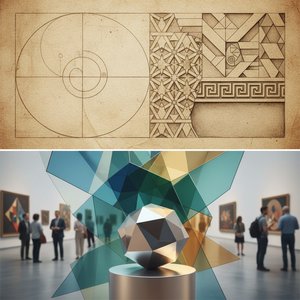
Rivera Rosa's distinctive style combined meticulous observation with imaginative interpretation, resulting in paintings characterized by striking color palettes and geometric forms that conveyed profound emotional resonance. He skillfully utilized techniques honed during his formative years—influenced by Domingo García’s emphasis on detail and Lorenzo Homar’s mastery of printmaking—to create artworks that stood apart from prevailing trends. His dedication to artistic experimentation and cultural heritage cemented his place as one of Puerto Rico's most celebrated artists, leaving behind a body of work that continues to inspire admiration and scholarly inquiry.