Il Visionario del Palcoscenico: La Vita e l'Arte di Pierre Eugène Lacoste
Nella vibrante e tremolante luce delle candele della Parigi del diciannovesimo secolo, un'epoca definita dalle travolgenti maree emotive del Romanticismo, visse un artista la cui vera tela non era fatta solo di carta o pietra, ma dell'essenza stessa dell'illusione teatrale. Pierre Eugène Lacoste (1818–1907) fu un poliedrico maestro delle arti visive, un uomo il cui spirito creativo fluiva senza soluzione di continuità tra la precisione di un disegnatore, la profondità tattile di uno scultore e la grandiosità immaginativa di un costumista. Mentre la storia spesso riserva i riflettori più luminosi a coloro che dipingevano paesaggi o ritraevano volti, Lacoste si è costruito un'eredità all'interno del mondo effimero dell'opera, dove la sua capacità di infondere vita al mito storico attraverso il tessuto e la forma è diventata leggendaria.
Nato nel cuore di Parigi, i primi anni di Lacoste furono immersi in un'atmosfera di intenso rigore artistico. Non fu soltanto un sognatore autodidatta, ma uno studente dei maestri, ricevendo una formazione formidabile sotto la guida di luminari come Lìon Cogniet, Charles-Antoine Cambon e Amaranthe Rouillet. Questa stirpe di realismo gli fornì una base indispensabile; da loro ereditò un profondo rispetto per l'accuratezza anatomica e le sottili sfumature di luce e ombra. Tale addestramento assicurò che, anche quando la sua opera si avventurava nei regni fantastici della scenografia, rimanesse ancorata a una realtà palpabile e mozzafiato. Il suo sviluppo precoce fu caratterizzato da questa tensione unica tra l'osservazione disciplinata del naturalista e la sublime immaginazione del Romantico.
Un Capolavoro di Fili e Trame
L'apice della carriera di Lacoste fu raggiunto quando il suo occhio meticoloso incontrò le monumentali esigenze della grande opera. Egli possedeva una rara, quasi archeologica devozione all'autenticità storica, una qualità che lo rese indispensabile per le grandi produzioni della sua epoca. Forse il suo trionfo più duraturo fu il lavoro sulla ripresa dell'Aida di Verdi nel 1880. Incaricato di ricreare lo splendore dell'antico Egitto, Lacoste non si accontentò della mera imitazione. Si immerse nello studio dei tessuti egizi e dei motivi antichi, impiegando tecniche innovative per garantire che ogni drappeggio di lino e ogni riflesso d'oro sembrassero appena estratti dalla tomba di un faraone. I suoi disegni erano molto più che semplici abiti; erano strumenti narrativi che comunicavano potere, tragedia ed esotismo a un pubblico catturato dallo spettacolo.
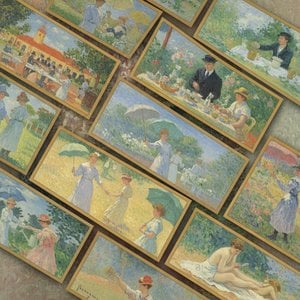
Oltre la grande scala dell'opera, l'arte di Lacoste si estese nell'intimo e nell'illustrativo. La sua abilità come pittore e illustratore gli permise di catturare le emozioni fugaci della vita quotidiana e la tensione drammatica di vignette storiche con uguale maestria. Che stesse lavorando a un delicato acquerello o a un complesso modello scultoreo, la sua mano era sempre guidata da un impegno verso il dettaglio espressivo. Questa versatilità gli permise di colmare il divario tra le belle arti e le arti decorative, rendendolo una figura cruciale nel plasmare il panorama estetico della Francia del XIX secolo.
L'Eredità di un Architetto dello Spettacolo Dimenticato
Sebbene il passare del tempo abbia occasionalmente oscurato il suo nome dal vasto canone della storia dell'arte, l'influenza di Pierre Eugène Lacoste rimane incisa nel DNA della progettazione teatrale. Egli contribuì a trasformare il palcoscenico da un luogo di semplice esecuzione in un'opera d'arte totale, dove costume, scenografia e movimento si fondevano in un'esperienza singolare e immersiva. Il lavoro della sua vita funge da testimonianza del potere dell'artigianato: l'idea che la vera bellezza si trovi nell'attenzione meticolosa al più piccolo dettaglio, che si tratti della piega di una manica o della curva di un arto scolpito.
Oggi ricordiamo Lacoste non solo come un designer, ma come un architetto dei sogni. La sua capacità di sintetizzare storia, anatomia e arte gli permise di costruire mondi che sembravano allo stesso tempo antichi e immediati. Nel grande arazzo dell'arte francese, egli rimane un filo vitale, ricordandoci che la magia più profonda risiede spesso nelle mani dell'artigiano che cerca di rendere l'immaginario innegabilmente reale.