Paul Émile Berthon: L'Eleganza della Litografia Art Nouveau
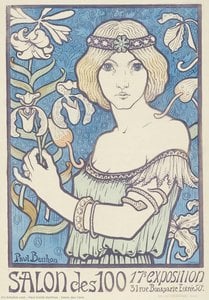
Paul Émile Berthon (15 marzo 1872 – 15 febbraio 1909) si staglia come una figura singolare nel panorama delle arti decorative e della stampa francese, riconosciuto principalmente per i suoi straordinari manifesti: opere che trascendevano la semplice pubblicità per incarnare l'essenza stessa dell'Art Nouveau. Nato a Villefranche-sur-Saône, in Francia, il percorso artistico di Berthon ebbe inizio con una formazione fondamentale nella pittura, prima di gravitare verso Parigi, dove affinò le proprie doti presso l'École Normale d'Enseignement de Dessin sotto la guida di Luc-Olivier Merson e Eugène Grasset.
L'influenza di Grasset si rivelò particolarmente profonda. La sua dedizione nel catturare le forme naturali e nell'impiegare linee audaci instillò un ethos stilistico che avrebbe permeato l'intera opera di Berthon. A differenza di molti artisti della sua epoca che davano priorità alle imprese commerciali, Berthon perseguì con fermezza l'integrità artistica, producendo manifesti che fungevano da opere d'arte indipendenti, una scelta deliberata che rifletteva le più ampie sensibilità estetiche dell'Art Nouveau.
La Visione Artistica: Art Nouveau e Arti Decorative
Lo stile artistico di Berthon è innegabilmente radicato nell'Art Nouveau, rispecchiando l'estetica visionaria sostenuta da Alphonse Mucha. Questa convergenza stilistica derivava dal suo studio intensivo delle arti decorative, un percorso che gli trasmise una meticolosa attenzione al dettaglio e un impegno incrollabile nel tradurre le forme organiche in rappresentazioni visive d'impatto. Le stampe risultanti sono caratterizzate da linee sinuose, motivi floreali stilizzati e un armonioso connubio di tavolozze cromatiche, specchio dell'ideale del Gesamtkunstwerk prevalente nel periodo.
Opere Notevoli: Manifesti che Raccontano una Storia
L'eredità di Berthon poggia su una straordinaria collezione di manifesti, ognuno dei quali è una testimonianza della sua maestria artistica. Tra le sue creazioni più celebri si annoverano le raffigurazioni di Tisane Gauloise e Les Maîtres de l'affiche, che mostrano la sua padronanza della tecnica litografica e la sua capacità di trasmettere emozioni attraverso il linguaggio visivo. Particolarmente degna di nota è la sua collaborazione con Sarah Bernhardt per La Princesse Lointaine, in cui cattura la presenza drammatica dell'attrice con squisita precisione.
- Tisane Gauloise: Dimostra l'abilità di Berthon nel catturare il movimento e trasmettere un senso di atmosfera.
- Les Maîtres de l'affiche: Esemplifica la preoccupazione dell'Art Nouveau per le forme naturali stilizzate e la composizione elegante.
- La Princesse Lointaine (con Sarah Bernhardt): Illustra la capacità di Berthon di ritrarre l'emozione umana attraverso il ritratto, riflettendo lo status iconico della Bernhardt.
Riconoscimento e Eredità
L'opera di Berthon ottenne notevole prestigio durante la sua vita, assicurandosi un posto in prestigiose istituzioni come il Musée Marmottan Monet a Parigi, un tesoro di capolavori impressionisti. La sua influenza duratura può essere scorgere nelle generazioni successive di artisti che hanno abbracciato i principi di bellezza e artigianalità dell'Art Nouveau. Un'ulteriore esplorazione dei contributi artistici di Berthon è incoraggiata attraverso risorse come “Les Maîtres de l'affiche” di Gérald Schurr e “Berthon & Grasset” di Victor Arwas, che offrono approfondimenti completi sulla sua vita, il suo lavoro e il suo impatto duraturo sulle arti decorative.
Riferimenti
- Thieme/Becker 1907–1950, Vol. 3 (1909), p. 510
- Les Maîtres de l'affiche - Gérald Schurr
- Victor Arwas: Berthon & Grasset
Per una comprensione più profonda della visione artistica di Berthon, si invita a visitare WahooArt.com per esplorare splendide stampe su tela e repliche dipinte a olio dei suoi iconici manifesti Art Nouveau.