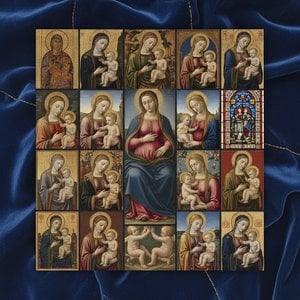
Girolamo Francesco Maria Mazzola – Il Misterioso Parmigianino
Girolamo Francesco Maria Mazzola, più comunemente noto come Parmigianino, fu una figura di affascinante complessità e profondo impatto nel panorama artistico dell'Italia del XVI secolo. Nato a Parma nel 1503 e tragicamente scomparso a Casalmaggiore nel 1540 all'età sorprendentemente giovane di trentasette anni, la sua vita fu un vortice di brillantezza creativa punteggiato da turbamenti personali e interruzioni professionali. Non fu semplicemente un artista; fu un ponte cruciale tra gli ideali del Rinascimento maturo sostenuti da Leonardo da Vinci e Michelangelo e lo stile nascente, intensamente individualistico che avrebbe definito il Manierismo. L'eredità di Parmigianino risiede non solo nella sua sbalorditiva abilità tecnica, ma anche nella sua volontà di sfidare la convenzione, spingendo i confini della prospettiva, della proporzione e dell'espressione emotiva in modi che continuano a affascinare e intrigare gli storici dell'arte ancora oggi.- Influenze Precoci: Gli anni formativi di Parmigianino furono profondamente plasmati dai legami artistici della sua famiglia. Suo padre, Filippo Mazzola, era un modesto artista, e i suoi zii, Michele e Pier Ilario, erano anch'essi pittori che ricevettero commissioni dalla famiglia Zangrandi a Parma. Questa esposizione all'arte gli instillò una precoce apprezzamento per la tecnica e il disegno, ma fu l'influenza di Correggio, lavorante a San Giovanni Evangelista, a rivelarsi particolarmente trasformativa. L'uso innovativo da parte di Correggio dello spazio illusionistico e della composizione dinamica fornì una spinta cruciale per le esplorazioni di Parmigianino stesso.
- Firenze e Roma: Nel 1524, in cerca di maggiori opportunità e forse di un ambiente più stimolante, Parmigianino si trasferì a Firenze e poi a Roma. Questi periodi furono segnati da una significativa crescita artistica. Assorbì la grandezza dell'opera di Raffaello, adottando una scala più monumentale e abbracciando gli ideali classici. Tuttavia, il suo periodo a Roma coincise con il devastante Sacco del 1527, un evento che impattò profondamente sulla sua carriera e lo portò infine al ritorno a Parma.
- Innovazione Manierista: Parmigianino è considerato una delle figure chiave nell'instaurare il Manierismo – uno stile caratterizzato da forme allungate, prospettive distorte, colori artificiali e un senso elevato di eleganza e sofisticazione. Le sue opere presentano spesso un'ambiguità deliberata, invitando lo spettatore a contemplare l'opera su più livelli. Non si limitò semplicemente a imitare stili esistenti; stava attivamente costruendo nuovi linguaggi visivi.
Il Linguaggio della Distorsione – Lo Stile di Parmigianino
La firma artistica di Parmigianino è immediatamente riconoscibile attraverso la sua magistrale manipolazione di forma e spazio. A differenza delle composizioni equilibrate e armoniose predilette dai maestri del Rinascimento, le sue pitture mostrano spesso un senso di inquietante distorsione. Le figure sono spesso allungate, i loro arti tesi a lunghezze impossibili, creando un effetto quasi surreale. Questa esagerazione deliberata non era meramente decorativa; serviva ad aumentare l'intensità emotiva e a trasmettere una sensazione di malessere o tensione.- Forme Allungate: L'esempio più iconico di questo tratto stilistico è senza dubbio la *Visione di San Gerolamo* (1526-27), dove la figura del santo è resa con una grazia quasi scheletrica, i cui arti sono tesi e contorti in una posa drammatica. Questa distorsione intenzionale non aveva lo scopo di rappresentare la realtà, ma piuttosto di evocare una specifica risposta emotiva – in questo caso, un senso di tormento spirituale.
- Ambiguità Spaziale: Parmigianino impiegò frequentemente tecniche che sfidavano le nozioni tradizionali di prospettiva. Manipolò profondità e scala, creando un'illusione di spazio allo stesso tempo affascinante e disorientante. Ciò fu particolarmente evidente nei suoi ritratti, dove spesso collocava figure in ambientazioni ambigue, sfumando i confini tra realtà e immaginazione.
- Palette Cromatica: Il suo uso del colore era altrettanto distintivo. Prediligeva tonalità ricche come le gemme – rossi profondi, blu e verdi – applicate con un tocco delicato, creando un effetto scintillante che esaltava il senso di eleganza e sofisticazione.
Opere Chiave e Influenza Duratura
L'opera di Parmigianino è straordinariamente varia, abbracciando ritratti, scene religiose, soggetti mitologici e pannelli decorativi. Diverse opere spiccano come contributi particolarmente significativi al suo lascito: il *Ritratto in specchio convesso* (1524), un ritratto rivoluzionario che sfrutta brillantemente le proprietà riflettenti di uno specchio convesso; la *Madonna dal collo lungo* (1534), un capolavoro di eleganza manierista e innovazione compositiva; e la *Visione di San Gerolamo*, forse il suo dipinto più famoso.- Il Ritratto Autoritratto: Il *Ritratto in specchio convesso* non è semplicemente un ritratto, ma una dichiarazione visiva attentamente costruita, che esplora temi di vanità, autoconsapevolezza e il rapporto tra apparenza e realtà. È considerato uno dei primi esempi di vero autoritratto nell'arte occidentale.
- Madonna dal Collo Lungo: Questo dipinto esemplifica la maestria di Parmigianino nello stile manierista, presentando figure allungate, proporzioni distorte e un inquietante senso di ambiguità spaziale. La composizione è notevolmente complessa, guidando l'occhio dello spettatore verso vari punti della scena.
- Influenza sulla Grafica: Parmigianino fu anche un pioniere nella grafica, sperimentando tecniche di incisione e producendo opere grafiche innovative che completavano i suoi dipinti. Le sue stampe dimostrano una notevole comprensione dei valori tonali e della qualità del tratto.
Un Finale Tragico e un'Eredità Duratura
La carriera di Parmigianino fu tragicamente interrotta da una malattia nel 1540, all'età di trentasette anni. Nonostante avesse affrontato numerosi contrattempi – incluso l'incarcerazione per il mancato completamento di opere commissionate – rimase un artista straordinariamente produttivo fino ai suoi ultimi giorni. La sua prematura scomparsa lasciò dietro di sé un corpus incompiuto, ma i dipinti e i disegni sopravvissuti hanno avuto un impatto profondo sulle generazioni successive di artisti. Egli è ricordato come una delle figure più innovative e influenti nella transizione dal Rinascimento al Manierismo, aprendo la strada allo stile Barocco e ispirando innumerevoli artisti con la sua audace sperimentazione e squisita tecnica. La sua eredità continua ad essere celebrata oggi attraverso mostre, pubblicazioni e riproduzioni delle sue straordinarie opere.Domande e risposte
Dove si trovano le opere di Parmigianino raggruppate per palette?
Per trovare le opere di Parmigianino in una specifica palette, consulta la pagina Per palette dell'artista.
Esiste una cronologia della carriera di Parmigianino?
La Cronologia di Parmigianino è una linea temporale a scorrimento che presenta le opere dell'artista in ordine cronologico, suddivise in capitoli relativi ai diversi periodi della sua carriera.
Quali sono il luogo e l'anno di nascita di Parmigianino?
Parmigianino è nato a Parma nel 1503.
Posso esplorare le opere di Parmigianino tramite parole chiave?
Per trovare le opere di Parmigianino su un tema specifico, utilizza la pagina Per parole chiave dell'artista, che raggruppa le opere per parola chiave.
È disponibile un tour virtuale 3D delle opere di Parmigianino?
È possibile effettuare una visita virtuale: la pagina Museo 3D di Parmigianino presenta le opere dell'artista in una galleria tridimensionale.
Esiste una linea del tempo delle opere di Parmigianino?
Esiste una cronologia delle opere di Parmigianino: la pagina Cronologia opere dell'artista ordina le opere per data di creazione.
Quante opere di Parmigianino sono disponibili per la consultazione?
Puoi sfogliare 1 opere d'arte opere di Parmigianino nella pagina Tutte le opere d'arte.
Posso esplorare le opere di Parmigianino per soggetto?
L'Atlante dei soggetti di Parmigianino è una pagina che mappa le opere dell'artista in base ai loro soggetti.