Vendi le tue opere
x

Pablo Antonio García del Campo

1744 - 1814

Brevi note biografiche

  • Museums on APS: Museo de la Universidad del Rosario
  • Nationality: Colombia
  • Top 3 works: José Celestino Mutis
  • Copyright status: Public domain
  • Top-ranked work: José Celestino Mutis
  • Espandi dettagli…
  • Art period: Età Moderna
  • Works on APS: 1
  • Lifespan: 70 years
  • Born: 1744, Bogotá, Colombia
  • Died: 1814

Quiz d'arte

Per ogni domanda è presente una sola risposta corretta.

Domanda 1:
Q1
Domanda 2:
Q2
Domanda 3:
Q3

Pablo Antonio García del Campo: Bridging Art and Science in Colonial Colombia

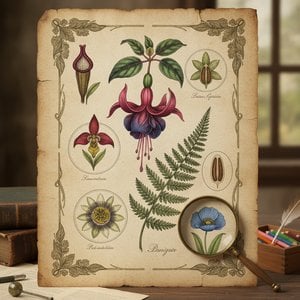
Pablo Antonio García del Campo (1744-1814) stands as a singular figure within the artistic landscape of colonial Colombia, embodying an uncommon fusion of artistic talent and scientific curiosity. Born in Bogotá, he emerged from a lineage steeped in intellectual pursuits—his father, Juan José García del Campo, was a distinguished jurist—and his formative years were marked by exposure to the burgeoning Enlightenment ideals that swept across Europe. Recognizing his innate aptitude for visual representation, García del Campo sought instruction under Joaquín Gutiérrez, a prominent Bogota painter who championed neoclassical principles. This early training instilled in him a disciplined approach to artistic execution and established a foundation for his subsequent endeavors. Joaquín Gutiérrez’s influence profoundly shaped García del Campo's stylistic sensibilities, fostering a commitment to idealized forms and balanced compositions—characteristics that would define his oeuvre throughout his career. The neoclassical aesthetic, championed by Gutiérrez and prevalent in Bogotá during García del Campo’s formative years, served as a crucial catalyst for developing his artistic vision. Furthermore, García del Campo’s exposure to European botanical illustration masters like Nicolas Pocock and Johann Christian Andreas Sprengel undoubtedly fueled his fascination with meticulous observation and accurate depiction—skills that would prove indispensable to his groundbreaking contribution to the Colombian Botanical Expedition. However, García del Campo’s legacy transcends mere stylistic imitation; it resides principally in his monumental role as the expedition’s first delineator, tasked with meticulously documenting Colombia’s flora and fauna—a project that would reshape understanding of the New World’s biodiversity. José Celestino Mutis, a fervent advocate of Carl Linnaeus's system of taxonomy, envisioned a comprehensive scientific investigation into Colombia’s plant life—a daring undertaking at the time, considering the limitations of existing botanical knowledge. García del Campo was appointed to this pivotal position, demonstrating not only artistic skill but also an unwavering dedication to advancing scientific understanding through visual representation. Working tirelessly alongside Mutis and his colleagues, García del Campo produced over 600 breathtaking drawings—each capturing the essence of Colombian plants with unparalleled accuracy and beauty. These illustrations weren’t merely decorative embellishments; they functioned as indispensable tools for classifying organisms and disseminating knowledge across continents. Notably, García del Campo's meticulous attention to detail—evident in every stroke of his brush—mirrored Mutis’s commitment to rigorous scientific methodology. His drawings were dispatched to Uppsala University in Sweden, where Linnaeus himself scrutinized them, validating Mutis’s expedition’s scientific rigor and cementing García del Campo’s place within the annals of botanical history. Beyond his dedication to the expedition, García del Campo cultivated a prolific artistic practice, producing portraits of influential figures such as José Celestino Mutis and Antonio Caballero y Góngora—works that reflect the stylistic sensibilities of the era while simultaneously conveying nuanced psychological insight. His paintings exemplify the neoclassical style prevalent in Bogotá during his time, characterized by balanced compositions, idealized forms, and subtle tonal gradations. García del Campo’s artistic vision was undoubtedly influenced by European masters like Nicolas Pocock and Johann Christian Andreas Sprengel, whose botanical illustrations served as models for his own endeavors. Furthermore, he skillfully blended scientific observation with artistic expression—a testament to the intellectual dynamism of colonial Colombia. Today, García del Campo's artwork graces museums across Bogotá and Rosario, offering enduring evidence of his remarkable contribution to both art and science, securing his position as a pivotal figure in shaping Colombian cultural heritage.