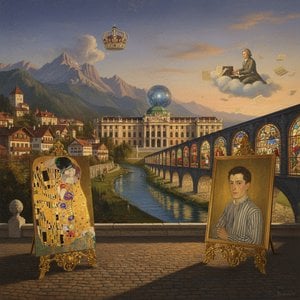
Il Pennello Melodico: La Vita e l'Eredità di Olga Wisinger-Florian
Nel cuore della Vienna imperiale, una città definita dai suoi grandiosi fregi architettonici e dalla sua opulenza culturale, la vita di Olga Wisinger-Florian si è dispiegata come una profonda testimonianza di resilienza e metamorfosi artistica. Nata nel 1844 in un'affluente famiglia di funzionari statali, il suo percorso iniziale era destinato alle sale da concerto piuttosto che all'atelier. Musicista dotata, intraprese un rigoroso addestramento come pianista concertista sotto la guida del rinomato Julius Epstein. Tuttavia, il destino intervenne con un improvviso e debilitante infortunio alla mano che mise a tacere le sue ambizioni musicali. Eppure, laddove il pianoforte smise di suonare, la tela iniziò a parlare. Questa riconduzione della passione trasformò una potenziale tragedia in uno dei viaggi artistici più significativi della fine del XIX secolo, mentre la sua anima sensibile e ritmica si volgeva allo studio della luce, del colore e della forma.
Il suo ritorno alla pittura non fu un semplice hobby, ma una dedizione totale al dominio di un nuovo linguaggio espressivo. Dopo le prime lezioni all'età di diciannove anni, cercò un insegnamento più profondo da maestri come August Schaeffer e, in modo decisivo, Emil Jakob Schindler. Sotto la guida di Schindler, Wisinger-Florian abbracciò i principi dello Stimmungsimpressionismus, o Impressionismo dell'umore. Questo movimento unicamente austriaco cercava di catturare molto più della semplice superficie visiva della natura; mirava a evocare l'atmosfera emotiva — il vero e proprio "umore" — di un paesaggio. La sua opera divenne un ponte tra il meticoloso realismo del passato e la nascente intensità emotiva del futuro, utilizzando pennellate fluide e una tavolello vibrante per tradurre le sensazioni effimere della luce che filtra attraverso i giardini o il profumo intenso dei fiori estivi.
Una Sinfonia di Flora e Paesaggio
L'opera di Wisinger-Florian è celebrata soprattutto per la sua straordinaria capacità di infondere vita nel mondo botanico. Spesso definita una maestra delle nature morte floreali, i suoi dipinti di rose, gloxinie e vedute di giardini possiedono una vitalità tattile che trascende la mera rappresentazione. Non si limitava a dipingere fiori; catturava la loro esistenza effimera, documentando il delicato intreccio tra ombra e petalo con una cadenza quasi musicale. I suoi paesaggi seguivano una traiettoria emotiva simile, presentando spesso viali alberati, giardini rigogliosi e campi sconfinati che riflettevano la sublime grandezza del mondo naturale. Attraverso i suoi occhi, una semplice scena di giardino diventava una profonda meditazione sulla bellezza fugace della vita.
La sua evoluzione tecnica fu segnata da una crescente audacia nel colore e nella consistenza. Con il maturare del suo stile, si allontanò dalle composizioni più strutturate della sua formazione iniziale verso un approccio più libero e impressionista. Questo sviluppo le permise di partecipare all'avanguardia della Secessione Viennese, dove si trovò al fianco degli artisti più progressisti della sua epoca. La sua capacità di manipolare la luce — facendola apparire come se danzasse su un petalo o si posasse pesantemente sul suolo di una foresta — consolidò la sua reputazione di artista capace di guidare la risposta emotiva dello spettatore attraverso la pura sensazione visiva.
Rompere le Barriere e il Riconoscimento Globale
Oltre ai suoi contributi estetici, Wisinger-Florian fu una figura di grande coraggio sociale e professionale. In un'epoca in cui l'establishment artistico spesso marginalizzava le donne, lei navigò nel prestigioso Künstlerhaus Wien con ferma determinazione. È celebre la sua resistenza alle limitazioni imposte alle artiste femmine, arrivando un giorno persino a rimuovere fisicamente le sue opere da una parete quando la sua richiesta di un'esposizione più prominente fu ignorata. Il suo impegno per l'arte era pari al suo senso di autonomia; in particolare, scelse di mantenere il suo cognome da nubile, Florian, insieme al nome del marito, Wisinger, come espressione della propria identità professionale e autodeterminazione.
I suoi trionfi non rimasero confinati entro i confini dell'Impero Austro-Ungarico. Il mondo notò la sua brillantezza durante diverse storiche esposizioni internazionali:
- Le Esposizioni Internazionali di Parigi e Chicago: Le sue presentazioni su questi palcoscenici globali le valsero un ampio riconoscimento internazionale, introducendo il suo "Impressionismo dell'umore" a un pubblico molto più vasto.
- L'Esposizione Colombiana Mondiale del 1893: Mostrando le sue opere nel Padiglione delle Donne di Chicago, si distinse come rappresentante di spicco dell'eccellenza artistica femminile sulla scena mondiale.
- Die Österreichisch-Ungarische Monarchie: Fu una delle sole nove donne selezionate per contribuire a questa monumentale enciclopedia dell'impero, un onore raro che consolidò il suo status di vitale documentarista culturale della sua patria.
Oggi, l'eredità di Olga Wisinger-Florian rimane vibrante come i giardini che dipinse con tanto amore. Come pioniera che ha contribuito a plasmare la traiettoria dell'Impressionismo austriaco e ha preannunciato la profondità emotiva dell'Espressionismo, la sua opera continua a risuonare. Rimane un'icona duratura del periodo fin de siècle — una donna che, di fronte alla perdita della sua musica, trovò il modo di dipingere l'anima stessa del mondo.