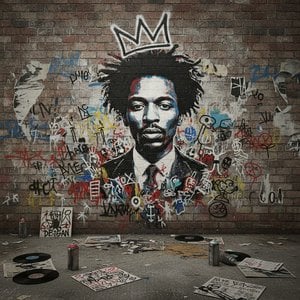
La Genesi Urbana di una Visione Duplice
Nel paesaggio vasto e inondato di sole di Los Angeles, dove la grinta della cultura di strada incontra il profondo peso della storia, due voci distinte ma armoniosamente divergenti sono emerse per ridefinire i confini dell'arte urbana contemporanea. Nati nella vibrante energia della California del Sud alla fine degli anni Settanta, Miles MacGregor e Marquis Lewis—conosciuti al mondo come El Mac e Retna—non si sono limitati ad abitare la città; ne hanno tradotto il battito sulla pelle stessa della sua architettura. I loro primi anni sono stati plasmati dal caos ritmolo delle strade, un periodo in cui la bomboletta spray fungeva sia da strumento di ribellione che da pennello per una narrazione profonda. Sebbene i loro percorsi si siano infine separati verso territori estetici molto diversi, essi condividono un legame fondamentale con il paesaggio di Los Angeles, un'origine comune che ha permesso loro di elevare il graffito da segno subculturale a sofisticato dialogo con lo spazio pubblico.
El Mac: L'Anima del Realismo Sociale
Per Miles MacGregor, che opera sotto l'evocativo pseudonimo El Mac, la tela è un altare dedicato alla condizione umana e al ricco arazzo della sua eredità messicano-chicana. La sua opera funge da meticolosa cronaca dell'identità, dove le ombre della giustizia sociale e la dignità degli emarginati sono rese con una precisione tecnica mozzafiato. Traendo ispirazione dall'arte classica europea, dal realismo sociale e dal profondo simbolismo presente nelle opere devozionali, El Mac impiega un dominio magistrale del fotorealismo in bianco e nero. Utilizza una tavolozza di toni seppia profondi e bianchi puri per infondere vita ai suoi soggetti, creando un senso di energia palpabile che trascende la superficie piatta del muro. In opere come The Anonymous Farm Worker, si può testimoniare la sua capacità di catturare l'essenza della resilienza; attraverso un lavoro di linea dettagliato e una declinazione moderna e frammentata della ritrattistica tradizionale, egli invita lo spettatore a contemplare la bellezza che si trova nell'invisibile e nell'umile.
Retna: La Calligrafia dell'Infinito
In netto contrasto con la profondità rappresentativa di El Mac, Retna approccia la tela urbana come un sito di sperimentazione linguistica e rinascita antica. La sua pratica è una sintesi ipnotica di discipline, dove i confini tra scrittura e pittura si dissolvono in un unico linguaggio glifico. L'estetica di Retna è un complesso arazzo tessuto da diversi fili storici e culturali:
- Il flusso ritmico della calligrafia araba
- I simboli criptici dei geroglifici egizi
- La forza strutturale della scrittura ebraica
- I bordi netti e aggressivi del blackletter gotico
La sua opera non si limita a decorare; essa comunica attraverso un alfabeto criptico e bellissimo che sfida lo spettatore a decodificare gli strati di storia incastonati nei suoi tratti. Incorporando la fotografia d'appropriazione accanto alla pittura tradizionale, Retna crea un'estetica multifaccettata che spinge i limiti di ciò che un murale può raggiungere, trasformando le pareti pubbliche in manoscritti monumentali che colmano il divario tra antica tradizione e modernità urbana.
Un'Eredità Scritta nelle Strade
Il significato storico di questi due artisti risiede nella loro capacità di imporre rispetto sia nel mondo effimero della street art che nelle prestigiose sale delle gallerie internazionali. Essi sono riusciti a colmare il divario tra l'energia spontanea del movimento graffiti e le rigorose richieste della storia dell'arte accademica. Insieme, rappresentano una convergenza di cultura e tecnica, dimostrando che le storie raccontate ai margini della società sono degne del più alto scrutinio artistico. Le loro conquiste—che spaziano da murales pubblici su larga scala a celebri mostre personali—assicurano che le loro eredità visive continueranno a risuonare, fungendo da testimonianza del potere dell'arte di elevare, ispirare e immortalare l'esperienza umana all'interno di un paesaggio urbano in continua evoluzione.
Domande e risposte
Posso ordinare le opere di Miles MacGregor (El Mac) per colore?
La pagina Indice dei colori di Miles MacGregor (El Mac) organizza le opere dell'artista in base al colore.
In quali periodi è suddivisa la carriera di Miles MacGregor (El Mac)?
La carriera di Miles MacGregor (El Mac) si svela periodo dopo periodo nella pagina Cronologia artistica: una linea temporale orizzontale delle opere, raggruppate in capitoli relativi ai vari periodi della sua carriera.
Esiste una linea del tempo delle opere di Miles MacGregor (El Mac)?
È disponibile una cronologia delle opere di Miles MacGregor (El Mac): la pagina Cronologia delle opere dell'artista presenta le opere in ordine cronologico.