L'Eredità Luminosa di Michiel Simons
Nel crepuscolo dorato del Secolo d'Oro olandese, pochi artisti hanno catturato la bellezza effimera del mondo materiale con tanta intimità tattile come Michiel Simons. Nato intorno al 1648, in un periodo in cui i Paesi Bassi fiorivano sotto un'epoca senza precedenti di indagine scientifica e ricchezza mercantile, Simons emerse come un maestro della natura morta. Mentre la storia spesso riserva i suoi riflettori più brillanti a titani come Rembrandt o Vermeer, Simons si è conquistato una nicchia profonda grazie alla sua capacità di trasformare il banale — un limone sbucciato, un grappolo d'uva o un uccello caduto — in una drammatica meditazione sull'esistenza. La sua vita, sebbene avvolta nelle tipiche nebbie biografiche del XVII secolo, delinea un viaggio nel cuore delle tradizioni artistiche olandesi e fiamminghe, conducendolo dai suoi anni formativi verso un posto duraturo negli annali dell'eccellenza barocca.
Le fondamenta dell'arte di Simons furono gettate attraverso un rigoroso apprendistato, in particolare sotto la guida di Hendrick Jacobsz. van Balen I. Questo legame con la scuola barocca di Haarlem fu fondamentale, poiché instillò in lui un reverenza per la precisione e una sofisticata comprensione della luce. Attraverso questo addestramento, Simons padroneggiò l'arte del chiaroscuro, utilizzando ombre profonde e vellutate per spingere i suoi soggetti verso lo spazio dello spettatore. La sua tecnica non riguardava la mera imitazione, ma una resa emotiva della consistenza; si può quasi percepire la buccia fresca e umida di una prugna o la delicata e cartacea scorza di un agrume sotto il suo pennello. Questo impegno verso il realismo gli permise di colmare il divario tra il mondo fisico e l'esperienza sensoriale dell'osservatore.
Simbolismo e Visione Barocca
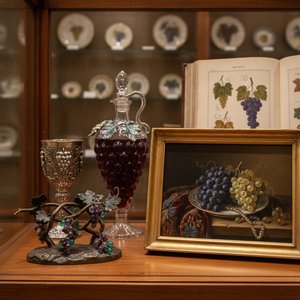
Contemplare una composizione di Simons significa confrontarsi con un complesso linguaggio di simboli. Durante il XVII secolo, la pittura di natura morta serviva a qualcosa di più di una semplice decorazione; era un veicolo per profondi pensieri filosofici e religiosi. Simons utilizzava i pronkstillevens — o nature morte sfarzose — per esplorare i temi dell'abbondanza e della natura fugace della vita. Nelle sue celebri opere, come Still Life with Fruit, la presenza di frutta matura e succosa accanto alla selvaggina morta funge da toccante memento mori. La vibrante vitalità del raccolto si contrappone nettamente alla staticità della morte, ricordando allo spettatore che tutti i piaceri terreni sono soggetti all'inevitabile scorrere del tempo.
Le sue composizioni integravano spesso elementi esotici, come porcellana cinese e vetreria di lusso, che riflettevano la portata globale del commercio olandese. Questi oggetti non erano scelti a caso, ma agivano come marcatori di status e traguardi mondani, pur essendo sempre bilanciati da un senso di fragilità. Intrecciando allegorie bibliche e sottotoni mitologici con la realtà tangibile dei suoi soggetti, Simons elevò il genere della natura morta da semplice osservazione a alta ricerca intellettuale. La sua opera catturò la tensione di un'epoca sospesa tra la celebrazione della prosperità appena acquisita e una profonda consapevolezza spirituale della mortalità.
Significato Artistico e Influenza Duratura
Il significato storico di Michiel Simons risiede nella sua capacità di sintetizzare le diverse influenze dei Paesi Bassi in uno stile coeso e mozzafiato. Sebbene alcuni studiosi abbiano storicamente affrontato il problema delle attribuzioni — distinguendo occasionalmente la sua mano dal gruppo di pittori di Anversa noto come "Pseudo-Simons" — il nucleo del suo lascito rimane inconfutabile. La sua opera rappresenta l'apice dell'estetica barocca, dove luce, ombra e materia convergono per creare un senso di grandezza teatrale. Anche quando il mondo dell'arte si è mosso verso sensibilità diverse nei secoli successivi, la meticolosità delle sue composizioni ha continuato a imporre rispetto sia ai collezionisti che agli storici.
Oggi, i contributi di Simons sono conservati in alcune delle istituzioni più prestigiose al mondo, incluso il Rijksmuseum, dove la sua capacità di evocare atmosfere rimane potente come un tempo. La sua vita, che lo vide attivo nei principali centri artistici come Utrecht e Amsterdam fino alla sua scomparsa dopo il 1673, funge da testimonianza del potere duraturo della tradizione della natura morta olandese. Attraverso la sua maestria nel pennello, Simons ha garantito che la bellezza fuggevole del mondo naturale venisse catturata in un'eterna, luminosa danza di luce e ombra.
Domande e risposte
Quali emozioni esprimono le opere di Michiel Simons?
La Spazi d'atmosfera di Michiel Simons raccoglie le opere dell'artista suddivise per umore.
Posso esplorare le opere di Michiel Simons tramite parole chiave?
Per trovare le opere di Michiel Simons relative a un tema specifico, consulta la pagina Per parole chiave dell'artista, che raggruppa le opere per parola chiave.
Dove posso vedere tutte le opere di Michiel Simons?
Tutte le opere di Michiel Simons presenti su questo sito web sono consultabili nella pagina Tutte le opere dell'artista.