María Luisa Pacheco: Una Pioniera del Modernismo Andino
María Luisa Pacheco (1919-1982) si erge come una figura cruciale nella storia dell'arte boliviana e come una contributrice significativa al modernismo latinoamericano. Nata a La Paz, in Bolivia, il suo viaggio artistico ebbe inizio nel vibrante panorama culturale delle montagne delle Ande, una regione che avrebbe plasmato profondamente la sua visione estetica e le sue tematiche per tutta la carriera. I suoi anni formativi furono segnati dall'esposizione alle influenze architettoniche di suo padre, Julio Mariaca Pando, favorendo un apprezzamento per le forme geometriche e le relazioni spaziali che avrebbero successivamente permeato le sue tele.- Formazione Iniziale e Influenze: Pacheco intraprese una formazione artistica formale presso l'Academia de Bellas Artes di La Paz, immergendosi nelle tradizioni dell'indigenismo boliviano, uno stile caratterizzato da rappresentazioni stilizzate di paesaggi andini e figure indigene. Questa base stilistica servì da fondamento cruciale per le sue successive esplorazioni nell'astrazione.
- Gli Anni a Madrid e l'Esposizione Europea: Una borsa di studio dalla Spagna spinse Pacheco a Madrid nel 1951, dove perfezionò le sue abilità presso la Real Academia de Bellasas de San Fernando. Durante questo periodo, incontrò e assorbì le idee artistiche di Pablo Picasso, Georges Braque e Juan Gris, artisti che promossero l'astrazione geometrica e sfidarono le tecniche rappresentative convenzionali.
- Borsa di Studio Guggenheim ed Esposizione OAS: Riconoscendo il suo talento e il suo potenziale, la John Simon Guggenheim Memorial Foundation conferì a Pacheco tre borse di studio consecutive nel 1956, in concomitanza con un invito a esporre al Museo dell'Organizzazione degli Stati Americani (OAS) a Washington, D.C. Questa esposizione consolidò la sua reputazione di stella nascente nei circoli artistici latinoamericani.
- Residenza a New York e Diverse Collaborazioni: Trasferendosi a New York nel 1956, Pacheco continuò le sue ricerche artistiche impegnandosi in progetti collaborativi con pubblicazioni come la rivista Life e intraprendendo commissioni di design tessile, dimostrando la sua versatilità come artista attraverso vari mezzi.
- Eredità e Riconoscimento: I suoi dipinti furono acquisiti sia dall'OAS che dalla Fondazione Guggenheim, garantendone la conservazione in importanti musei d'arte e assicurando la sua presenza duratura nel canone del modernismo latinoamericano. Gli studiosi riconoscono due fasi distinte nello sviluppo artistico di Pacheco: un periodo radicato nelle tradizioni indigeniste seguito da un'adozione più ampia dei principi dell'espressionismo astratto.
Evoluzione Stilistica e Tecniche Artistiche
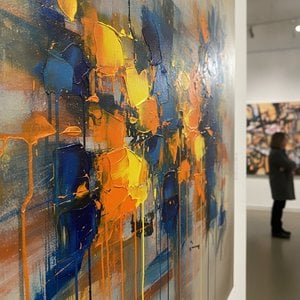
La traiettoria artistica di Pacheco rivela una straordinaria trasformazione, dai paesaggi andini stilizzati a audaci astrazioni materiche. Inizialmente influenzata dall'enfasi della scuola indigenista sulla rappresentazione simbolica e sulle prospettive appiattite — un tratto distintivo dell'arte boliviana tra gli anni '30 e '40 — si mosse progressivamente verso tecniche che richiamano l'Espressionismo Astratto. Questo cambiamento comportò la sperimentazione con la stratificazione dei pigmenti, l'incorporazione di elementi collage e la manipolazione delle superfici per creare composizioni dinamiche che privilegiavano il colore e il gesto rispetto al dettaglio preciso. Le sue tele si caricarono di un'energia e un'emozione palpabili, riflettendo il suo coinvolgimento con le correnti filosofiche dell'epoca.Opere Notevoli e Temi Ricorrenti
Tra i dipinti più celebri di Pacheco figurano “Sin título” e “Megalith”, che esemplificano il suo magistrale dominio dell'estetica espressionista astratta. Queste opere mostrano la sua capacità di distillare idee complesse in forme visivamente accattivanti — spesso dominate da tonalità vibranti e superfici testurizzate — che evocano la grandezza delle montagne andine e il potere enigmatico delle formazioni geologiche. I temi ricorrenti esplorati in tutta la sua opera includono la spiritualità, la memoria e il rapporto tra l'umanità e la natura, riflettendo un profondo legame con l'eredità culturale boliviana e una più ampia contemplazione delle questioni esistenziali.Significato Storico e Influenza
Il contributo di María Luisa Pacheco all'arte latinoamericana trascende la mera innovazione stilistica; ella promosse una visione dell'astrazione che onorava simultaneamente le tradizioni andine e dialogava con il fermento intellettuale del dopoguerra. Il suo lavoro servì da ispirazione per le generazioni successive di artisti boliviani — in particolare per coloro interessati a esplorare il potenziale espressivo del colore e della trama — e cementò il suo posto come una delle voci artistiche più importanti della Bolivia. Ella rimane una testimonianza del potere trasformativo della sperimentazione artistica e dell'eredità duratura del patrimonio culturale nel contesto del modernismo globale.Domande e risposte
Esiste una cronologia della carriera di María Luisa Pacheco?
Un resoconto cronologico delle opere di María Luisa Pacheco è disponibile nella pagina Cronologia artistica dell'artista, dove le opere sono presentate in ordine di creazione, capitolo dopo capitolo.
Quali opere di María Luisa Pacheco sono le più visualizzate?
È disponibile una pagina Statistiche dedicata a María Luisa Pacheco, che presenta le statistiche relative alle sue opere su questo sito web.
Dove posso vedere tutte le opere di María Luisa Pacheco?
Tutte le opere di María Luisa Pacheco presenti su questo sito web sono consultabili nella pagina Tutte le opere dell'artista.