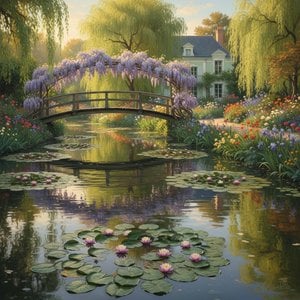
L'Impressionista Silenzioso di Giverny
Louis Ritman (1889–1963) si erge come una testimonianza dell'eredità duratura dell'Impressionismo americano, in particolare per la sua serena esplorazione della bellezza femminile e delle sottili armonie tonali. Nato a Kamenets-Podolsky, in Russia—una regione intrisa di tradizione artistica ma ampiamente esterna al panorama artistico europeo mainstream—la giovinezza di Ritman preannunciò il suo distintivo percorso artistico. Il trasferimento con la famiglia a Chicago intorno al 1900 gli permise l'accesso a istituzioni educative in ascesa come la Hull House e l'Art Institute, favorendo connessioni che si sarebbero rivelate cruciali per i suoi anni formativi. Il suo coinvolgimento con la Hull House, una casa di accoglienza fondata da Jane Addams, lo espose ai movimenti di riforma sociale e ampliò la sua comprensione dell'esperienza umana, influenze sottilmente intrecciate nel tono contemplativo di molti dei suoi dipinti.
La sua formazione formale presso l'Art Institute sotto la guida di William Merritt Chase gli instillò un approccio disciplinato alla tecnica e incoraggiò l'esperimentazione con palette cromatiche tonali, gettando le basi per le sue successive innovazioni stilistiche. Tuttavia, fu il suo arrivo a Parigi nel 1909 a infiammare veramente il suo sviluppo artistico. Guidato dall'incoraggiamento del compagno impressionista Lawton S. Parker, Ritman riconobrebbe il potenziale trasformativo dell'immersione nel vibrante mondo dell'arte parigina, un centro nevralgico per la sperimentazione d'avanguardia e il discorso intellettuale. Si iscrisse alla École des Beaux-Arts e intraprese studi intensivi sotto John H. Vanderpoel, assorbendo la pennellata frammentata e le palette vivaci che sarebbero diventate i tratti distintivi del suo stile maturo.
Un Santuario di Luce e Forma
L'idilliaco villaggio di Giverny, dimora di Claude Monet e di una crescente comunità di artisti impressionisti, divenne il santuario creativo di Ritman per i due decenni successivi. All'interno di questo paesaggio inondato dal sole, egli strinse legami profondi con una cerchia di espatriati americani, tra cui Richard Miller e Frederick Carl Frieseke. Questo periodo di collaborazione fu essenziale nel plasmare la sua estetica, poiché egli andò oltre la mera osservazione per catturare ciò che molti studiosi ritengono essere stata una ricerca esoterica dell'armonia universale attraverso l'arte e il simbolismo.
L'opera di Ritman è celebrata soprattutto per le sue intime rappresentazioni della forma femminile. Le sue tele non sono semplici studi anatomici, ma sono infuse di una qualità meditativa che invita a una profonda contemplazione. Che dipingesse La Toilette, dove una donna è circondata dalla quieta intimità di libri e oggetti personali, o le sue scene di giardino più ampie, Ritman possedeva un'abilità unica nel catturare energie archetipiche velate all'interno della forma umana. Il suo approccio spesso rispecchiava quello dei suoi contemporanei, eppure rimaneva una distintiva morbidezza nella sua gestione della luce che lo rendeva unico.
Eredità e Significato Artistico
Oltre alla delicata gestione della luce e degli effetti atmosferici, l'opera di Ritman riflette una affascinante intersezione di influenze. Pur essendo profondamente radicato nella tradizione impressionista, si può osservare una predilezione per composizioni strutturate che accennano all'influenza di Cézanne. Questa tensione tra il momento fuggevole e la forma duratura ha permesso alla sua opera di occupare una posizione unica nel racconto dell'arte americana. I suoi dipinti, come Tea In The Garden e Fruit And Flowers, mostrano una maestria nella consistenza e nel colore che continua a affascinare i collezionisti di arte figurativa e di natura morta.
Il significato storico di Louis Ritman risiede nella sua capacità di colmare il divario tra la rigorosa formazione accademica della fine del XIX secolo e le esplorazioni più emotive e luminose dell'inizio del XX secolo. Il lavoro della sua vita rimane una profonda esplorazione di:
- Armonia Atmosferica: L'uso di sottili palette tonali per evocare il calore delle estati di Giverny.
- Bellezza Simbolica: La rappresentazione della grazia femminile come veicolo per verità più profonde e tranquille.
- Disciplina Tecnica: Una fusione perfetta tra la tecnica disciplinata di Chase e lo spirito sperimentale dell'avanguardia parigina.
Oggi, Ritman è ricordato non solo come un osservatore della bellezza, ma come un pittore che ha cercato di catturare l'essenza stessa della pace attraverso la lente della luce e del colore.
Domande e risposte
Come posso trovare tutte le opere di Louis Ritman per un determinato medium?
La pagina Tutti i media raggruppa le opere di Louis Ritman per tecnica.
È disponibile un tour virtuale 3D delle opere di Louis Ritman?
È possibile effettuare una visita virtuale: la pagina Museo 3D di Louis Ritman presenta le opere dell'artista in una galleria tridimensionale.
Dove posso trovare statistiche relative alle opere di Louis Ritman?
La pagina Statistiche di Louis Ritman presenta statistiche calcolate a partire dalle opere dell'artista elencate su questo sito.