Louis Boulanger: Un Visionario Romantico
Louis Boulanger (1806 – 1867) si staglia come una figura di spicco nella pittura romantica francese, un artista le cui drammatiche tele hanno saputo catturare lo spirito della sua epoca, consolidando il suo posto nel panorama artistico della Parigi di metà Ottocento. Nato a Parigi, gli anni formativi di Boulanger furono immersi in una rigorosa formazione classica: si iscrisse all'École des Beaux-Arts, dove affinò le sue doti sotto la guida di Guillaume Guillon Lethière, ponendo le basi che avrebbero profondamente plasmato il suo stile e la sua sensibilità artistica. Questo approccio disciplinato contrastava nettamente con il nascente fervore emotivo del Romanticismo, eppure Boulanger seppe fondere con maestria tradizione e innovazione, dando vita a opere intrise di grandezza e profondità psicologica.- Influenze Primordiali e Formazione: L'educazione di Boulanger gli trasmise una meticolosa attenzione al dettaglio e una profonda comprensione della precisione anatomica, tratti che emergono con chiarezza in tutta la sua opera. Nutriva una particolare ammirazione per le opere di Ingres, il cui idealismo classico funse da principio guida per le ambizioni artistiche di Boulanger.
- Il Prix de Rome e Eugène Devéria: Riconoscendo il suo talento, Boulanger ottenne il prestigioso premio Prix de Rome nel 1824, che gli permise di viaggiare ampiamente in Italia e di immergersa nell'eredità artistica dell'antichità. La sua collaborazione con Eugène Devéria favorì uno scambio intellettuale che ampliò i suoi orizzonti artistici, influenzando profondamente le sue scelte stilistiche.
Il Circolo Romantico Parigino e la Narrazione Drammatica
La carriera artistica di Boulanger fiorì all'interno del vibrante circolo romantico parigino, un ambiente caratterizzato da accesi dibattiti su arte e letteratura, alimentati dai tumulti politici e dalle riforme sociali dell'epoca. Strinse legami d'amicizia con Victor Hugo e numerosi altri scrittori e artisti che sostenevano l'espressione dell'emozione e la narrazione immaginativa. Questo contesto influenzò in modo innegabile la visione artistica di Boulanger, incoraggiandolo a dare priorità alla narrazione drammatica e alla composizione teatrale. Le sue tele ritraevano spesso eventi storici con un'intensità viscerale, trasmettendo il tormento emotivo del tempo, vero marchio di fabbrica dell'estetica romantica.- Successi al Salon e Riconoscimenti: Boulanger ottenne un notevole prestigio durante le esposizioni del Salon del 1827 e del 1831, conquistando in particolare una medaglia per “La naissance d’Henri IV” insieme alla monumentale tela di Devéria. Questi successi lo proiettarono verso la ribalta della comunità artistica, consolidando la sua reputazione di maestro della narrazione visiva.
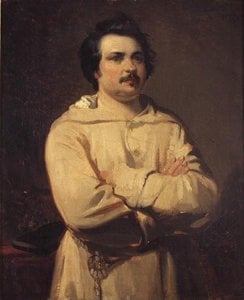
- Opere Celebri: Tra i lavori più celebrati di Boulanger spicca "Mazeppa", una toccante rappresentazione del poema epico di Mickiewicz che dimostra la sua capacità di evocare eroismo e pathos; “La mort de Sardanapale”, un lavoro collaborativo con Delacroix che cattura l'orrore e la grandiosità della guerra napoleonica; e il “Portrait d’Honoré de Balzac”, un ritratto iconico dell'autore reso con dettagli squisiti, a testimonianza della perizia tecnica e della sensibilità artistica di Boulanger.
Illustrazioni e Stile Artistico: Visioni Fantastiche
Oltre alla pittura da cavalletto, Boulanger si distinse come un prolifico illustratore, collaborando in modo significativo con Victor Hugo e Alexandre Dumas per adattamenti letterari. Le sue litografie — in particolare “La ronde du sabbata” — adottarono un approccio stilistico distintivo, caratterizzato da immagini fantastiche e atmosfere inquietanti, una tendenza che rifletteva le ansie del periodo romantico. La tecnica meticolosa di Boulanger, definita da pennellate fluide e sottili sfumature tonali, creava tele cariche di luminosità e risonanza emotiva. Egli utilizzò con maestria il chiaroscuro per esaltare l'impatto drammatico, enfatizzando i contrasti tra luce e ombra per comunicare una complessa dimensione psicologica.Eredità e Significato Storico
Il contributo di Louis Boulanger alla pittura romantica francese rimane fondamentale per la sua ritrazione impavida dell'emozione umana e per la sua esecuzione magistrale. Le sue tele continuano a ispirare ammirazione per la loro grandezza, dinamismo e profondità psicologica, qualità che risuonano con forza nel pubblico contemporaneo. Inoltre, l'associazione di Boulanger con giganti della letteratura come Hugo ha consolidato il suo posto nella storia culturale della Francia del XIX secolo, garantendo che la sua eredità artistica perduri come simbolo dell'idealismo romantico e della narrazione drammatica. Le sue opere sono conservate in istituzioni prestigiose come lo Saint Louis Art Museum e la Maison Victor Hugo, assicurando la loro accessibilità alle generazioni future desiderose di apprezzare la bellezza eterna e la potenza dell'arte romantica.Domande e risposte
Dove si trovano le opere di Louis Boulanger organizzate per colore?
L'indice spettrale di Louis Boulanger, consultabile tramite Indice Spettrale, è una pagina che organizza le opere dell'artista in base ai loro colori.
Dove si trovano le opere di Louis Boulanger raggruppate per tecnica?
La pagina Tutti i media raggruppa le opere di Louis Boulanger per tecnica.
Dove posso vedere le opere di Louis Boulanger in una galleria 3D?
Le opere di Louis Boulanger sono visibili in una galleria 3D nella pagina Museo 3D dell'artista.