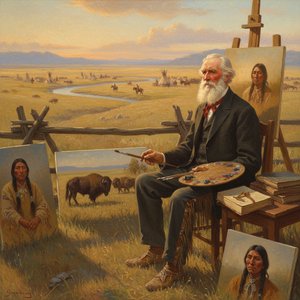
Joseph V. Ravella: A Silver Sculptor's Vision
Joseph Vincent Ravella (1900-1980) emerged from the vibrant artistic milieu of New York City, establishing himself as a singular figure in American silversmithing and biblical art. His distinctive style blended meticulous craftsmanship with profound spiritual contemplation, resulting in pieces that continue to captivate collectors and scholars alike. Ravella’s legacy resides not merely in his technical prowess but also in his ability to imbue silver—a material often associated with purity and solemnity—with narratives of faith and artistic innovation.
Early Life & Education: The Seeds of Artistic Passion
Born in New York City, Ravella’s formative years instilled within him a lifelong fascination for the transformative power of art. He pursued formal training at Pratt Institute, honing his skills in metalworking and sculpture before embarking on a career dedicated to artistic expression. This rigorous academic foundation provided him with the technical mastery necessary to realize his ambitious visions—a cornerstone of his enduring artistic success.
“The Silver Rastra Belt with Golden Applique”: A Breakthrough Sculpture
Ravella’s breakthrough came with the creation of “The Silver Rastra Belt with Golden Applique,” an audacious sculptural piece that showcased his unparalleled technique and thematic exploration. Executed in sterling silver, this artwork—now housed in a museum database (
- Useful Links:
- Explore the intricate silver art of Joseph V. Ravella (1900-1980), known for his stunning Rastra belt & biblical themes.
) – exemplifies Ravella’s commitment to conveying complex spiritual ideas through a striking visual medium. The meticulous soldering and polishing techniques employed underscored his dedication to achieving exceptional surface finishes, mirroring the precision demanded by his artistic vision.
Biblical Narratives Illuminated in Silver
Ravella's artistic sensibilities were deeply rooted in Christian iconography, drawing inspiration from Renaissance masters and Byzantine art traditions. He skillfully translated biblical narratives into sculptural form, prioritizing emotional resonance over literal representation. His works frequently depicted scenes from the Old Testament and New Testament—often stylized figures of saints or angels—infused with a palpable sense of reverence and contemplation. This stylistic choice reflected Ravella’s belief that art could serve as a conduit for spiritual understanding.
Notable Museums Exhibitions: Sharing Artistic Legacy
His work has graced the halls of St Joseph Chapel (
- Explore St Joseph Chapel in Balasszújfalu, Hungary! Discover this beautifully renovated historic church showcasing local religious architecture & art.
), Brodsky House Museum (
- Explore Brodsky House Museum – St Petersburg’s unique memorial space honoring Isaak Brodsky and Joseph Brodsky's artistic legacies. Discover Russian art, classical music events & a glimpse into their lives.
) and Josephplatz (
- Josephplatz stands as a cornerstone of Viennese heritage—a grand square reflecting Habsburg grandeur alongside architectural marvels like the Hofburg Palace and Austrian National Library. Its role in film history (The Third Man) adds intrigue to this UNESCO World Heritage site, showcasing Baroque splendor and imperial ceremonies.
), demonstrating his impact on both Hungarian and Russian cultural landscapes. These exhibitions served as a testament to Ravella’s enduring influence on artistic discourse and public appreciation of religious art.
A Lasting Impression: Joseph Henry Sharp & Joseph Kleitsch – Artistic Companions
Joseph Henry Sharp (
- Explore the life & art of Joseph Henry Sharp, a founding member of the Taos Society of Artists renowned for his realistic depictions of Native American culture and Western landscapes.
) and Joseph Kleitsch (
- Explore Joseph Kleitsch: Bridging Impressionism & California Regionalism – A Study of Light and Identity
), alongside Ravella, represent significant contributions to American artistic history. Their shared dedication to capturing the essence of their respective subjects—the American West and California Impressionism—echoes Ravella’s meticulous attention to detail and his profound engagement with visual representation. His enduring influence can be seen in subsequent generations of sculptors who sought to emulate his stylistic approach and spiritual depth.