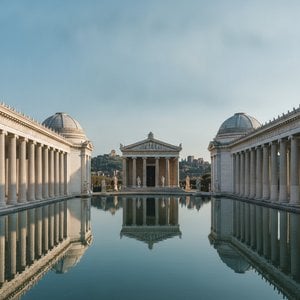
La Visione Tempestosa di J.M.W. Turner
Joseph Mallord William Turner, un nome sinonimo di Romanticismo e del sublime, rimane una delle figure più enigmatiche e profondamente influenti della storia dell'arte britannica. Nato nel 1775 tra le vivaci strade di Covent Garden, a Londra, il percorso di Turner da prodigio infantile ad artista celebre, seppur spesso frainteso, è una testimonianza della sua incessante ricerca nell'inseguire l'essenza della luce, dell'atmosfera e dell'emozione. La sua vita fu segnata sia da straordinarie conquiste artistiche che da tormenti personali, elementi che hanno plasmato la natura stessa della sua opera rivoluzionaria. Non era semplicemente un pittore; era un esploratore delle sensazioni, capace di tradurre i momenti fugaci del mondo in tele vibranti e indimenticabili.
- Gli anni della formazione: Il talento precoce di Turner era indiscutibile. Iniziò a disegnare all'età di tre anni e, a quattordici, fu ammesso alla Royal Academy of Arts, un traguardo straordinario per chi proveniva da un contesto modesto. La sua formazione iniziale si concentrò sul disegno topografico – la resa meticolosa di scene riconoscibili – ma questa abilità fondamentale sarebbe servita in seguito come trampolino di lancio per le sue esplorazioni più imaginative. Fondamentale fu anche l'apprendistato con William Strachey, un maestro dell'acquerello che gli trasmise le tecniche della stratificazione delle velature e della costruzione graduale del colore.
- Le influenze olandesi: Lo sviluppo artistico di Turner fu profondamente plasmato dai pittori dell'Età dell'Oro olandese, in particolare Willem van der Velde e Jan Both. Egli ammirava la loro prospettiva atmosferica, l'illuminazione drammatica e la capacità di trasmettere un senso di vastità e mistero. Queste influenze sono evidenti nelle sue prime opere, che spesso presentano paesaggi meticolosamente resi, intrisi di una qualità sottile, quasi eterea.
- Un genio solitario: Nonostante il notevole successo, Turner era noto per la sua riservatezza ed eccentricità. Evitava gli impegni sociali, preferendo la solitudine del suo studio dove poteva immergersi completamente nel proprio lavoro. Questo suo carattere introverso contribuì ai suoi metodi non convenzoloali e alla sua volontà di sfidare le convenzioni artistiche dell'epoca.
L'evoluzione di uno stile: dalla topografia al sublime
Lo stile artistico di Turner subì una trasformazione drammatica nel corso della sua lunga carriera, riflettendo non solo l'evoluzione delle sue abilità tecniche, ma anche il mutamento delle sue prospettive filosofiche. Inizialmente, produsse acquerelli topografici estremamente dettagliati, documentando con precisione i paesaggi e gli edifici dell'Inghilterra. Tuttavia, con la maturazione, abbandonò progressivamente la rappresentazione precisa a favore della cattura del *sentimento* di un luogo: la sua luce, il suo umore e la sua risonanza emotiva. Questo cambiamento è particolarmente evidente nelle sue opere tarde, caratterizzate da pennellate libere, colori vibranti e un'intensità quasi allucinatoria.
- I primi acquerelli: I suoi primi acquerelli, come The River Thames at Battersea (1798), dimostrano una straordinaria capacità di catturare gli effetti della luce e dell'atmosfera. Queste opere sono caratterizzate da un'osservazione attenta e da una tavolello cromatica contenuta.
- L'influenza del Romanticismo: Turner abbracciò i principi del Romanticismo – l'enfasi sull'emozione, l'immaginazione e la potenza della natura – ma ne superò infine i limiti. Non cercava solo di ritrarre la bellezza, ma di evocare un senso di stupore e terrore, catturando il sublime: l'esperienza di confrontarsi con qualcosa di vasto e travolgente.
- La rottura con la tradizione: Turner rifiutò deliberatamente lo stile accademico prevalente del suo tempo, che prediligeva soggetti storici e forme idealizzate. Si concentrò invece su scene contemporanee – vedute marine, paesaggi urbani e industriali – spesso ritraendole in modo altamente soggettivo ed espressivo.
La maestria della luce e dell'atmosfera
Il più grande traguardo di Turner risiede nella sua impareggiabile capacità di catturare gli effetti della luce e dell'atmosfera. Era ossessionato dal comprendere come la luce interagisce con le superfici, creando un'illusione di profondità, volume e movimento. La sua tecnica prevedeva la sovrapposizione di sottili velature di colore l'una sull'altra, costruendo una complessa trama superficiale che brillava e risplendeva. Spesso lavorava alla prima – direttamente sulla tela senza schizzi preliminari – permettendogli di rispondere istintivamente al mutare delle condizioni luminose.
- Tecniche dell'acquerello: La maestria di Turner nell'acquerello è leggendaria. Sviluppò tecniche uniche per manipolare il colore, creando lavaggi luminosi e sfumature sottili che sembravano sfidare i limiti del medium stesso.
- Innovazioni nella pittura a olio: Nella pittura a olio, adottò un approccio simile, stratificando il colore per creare un senso di profondità atmosferica e luminosità. L'uso dell'impasto – applicazioni spesse di pittura – aggiunse consistenza e dinamismo alle sue tele.
- La ricerca del sublime: La fascinazione di Turner per la luce era indissolubilmente legata alla sua ricerca del sublime: l'esperienza di confrontarsi con qualcosa di immenso, potente e maestoso. Cercava di catturare questa sensazione nelle sue tele, creando immagini che evocavano meraviglia, terrodo e trascendenza spirituale.
Un'eredità duratura: precursore del Modernismo
L'influenza di Joseph Mallord William Turner sulle generazioni successive di artisti è incalcolabile. Il suo approccio radicale al colore, alla composizione e al soggetto ha spianato la strada all'Impressionismo e all'Arte Astratta. Egli dimostrò che l'arte poteva essere molto più di una mera rappresentazione della realtà; poteva essere un veicolo per esprimere emozioni, esplorare idee e catturare la bellezza fuggevole del mondo.
- L'influenza sull'Impressionismo: Artisti come Monet e Renoir furono profondamente influenzati dall'uso della luce e del colore di Turner, adottando le sue tecniche per catturare le qualità effimere della vita moderna.
- Uno spirito visionario: L'opera di Turner continua a risuonare negli spettatori di oggi, ricordandoci il potere dell'arte di trasportarci oltre i confini della nostra esperienza quotidiana. Egli rimane un simbolo di innovazione artistica, coraggio e spirito visionario.
- Riconoscimento critico: Nonostante lo scetticismo iniziale, la reputazione di Turner crebbe costantemente durante la sua vita, culminando nel fervente sostegno di John Ruskin nel 1840. Oggi, è ampiamente considerato uno dei più grandi artisti di tutti i tempi.