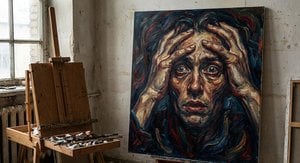
Josef Jünger (After Arthur Kampf): A Pioneer of Neue Sachlichkeit
Josef Jünger (after Arthur Kampf), born in Germany in 1895, remains an enigmatic figure within the annals of early 20th-century art. Despite limited biographical details—a fact compounded by his preference for introspective writing rather than autobiographical accounts—Jünger’s artistic legacy persists through his distinctive oeuvre and its place within the influential Neue Sachlichkeit movement. This stylistic approach, characterized by stark realism and an uncompromising gaze upon the world around him, cemented Jünger's position as a pivotal voice in German art history.
- Early Life & Influences: Information regarding Jünger’s formative years is scarce. However, he demonstrated early artistic inclinations, likely nurtured by exposure to Expressionist aesthetics prevalent during his youth. The fervor of this movement—its embrace of emotional intensity and distortion—clearly imprinted upon Jünger's sensibility.
- The Wandervogel Movement & Military Service: Like many young Germans of his era, Jünger participated in the Wandervogel movement, a youthful rebellion against societal norms that championed freedom and adventure. This experience instilled in him a spirit of independence and fueled his desire to explore the world beyond the confines of academic pursuits. His brief stint as a soldier in the French Foreign Legion provided invaluable practical training and broadened his worldview.
- Artistic Style & Technique: Jünger’s artistic style is primarily defined by Neue Sachlichkeit, which demanded an unflinching depiction of reality devoid of sentimentality or romantic embellishment. He excelled at capturing textures and surfaces with meticulous detail—particularly in his oil paintings—employing a palette often dominated by muted tones that conveyed a sense of solemn contemplation.
- Notable Works: Jünger’s artistic output includes several striking canvases, notably “Workers Dragging a Red-Hot Iron Piece,” which exemplifies the movement's commitment to portraying everyday life with uncompromising honesty. These paintings are notable for their compositional rigor and masterful use of light and shadow—elements that contribute to an overall atmosphere of quiet observation.
- Legacy & Museums: Jünger’s work is housed in prestigious institutions such as the Lehmbruck Museum in Duisburg, Germany, where it stands alongside other masterpieces of modern sculpture by Alberto Giacometti. This museum serves as a testament to Jünger's enduring influence on artistic thought and practice.
Connections to Ernst Jünger
It’s important to note that Josef Jünger (after Arthur Kampf) is inextricably linked to the celebrated German philosopher Ernst Jünger. While Jünger focused primarily on visual art, he shared a similar intellectual conviction—a rejection of idealistic notions and an unwavering commitment to confronting reality head-on—that underpinned both their artistic endeavors and philosophical perspectives. Their mutual admiration for Neue Sachlichkeit solidified their position as champions of a distinctly modernist aesthetic.
Further Exploration
To delve deeper into Josef Jünger’s artistic contributions, consider visiting
https://WahooArt.com where you can discover reproductions of his paintings and gain insights into their stylistic nuances. Examining the Lehmbruck Museum's collection offers a valuable opportunity to appreciate Jünger’s influence on sculpture alongside other prominent artists of the era.