L'Architetto dell'Eleganza: La Vita e l'Eredità di Jeanne Lanvin
Jeanne Lanvin, nata Marguerite di Pietro nel cuore di Parigi nel 1867, fu molto più di una semplice couturière; era una poetessa visionaria di tessuti e forme. Il suo viaggio nel pantheon delle leggende della moda non iniziò con un formale decreto accertato, ma attraverso un profondo apprendistato pratico sotto la guida del leggendario Charles Frederick Worth. Questa precoce immersione nel mondo dell'alta moda le permise di assorbire l'essenza stessa dell'artigianato, insegnandole a manipolare i tessuti drappeggiati e a comprenderne l'anima strutturale. La sua vita, segnata dalla prematura perdita dei genitori, fu definita da uno spirito resiliente capace di trasformare la tragedia personale in un'ambizione creativa senza pari, portando infine alla nascita della Maison Lanvin.
Il tratto distintivo dell'arte di Lanvin risiedeva nella sua capacità di rifiutare i vincoli rigidi e soffocanti della sua epoca a favore di un movimento più lirico. Mentre molti stilisti del tempo restavano ancorati a corsetti restrittivi, Lanvin fu pioniera della robe de style. Questa silhouette iconica celebrava una femminilità romantica, utilizzando gonne voluminose e linee fluide che rispecchiavano l'eleganza senza sforzo di una ballerina. I suoi design erano intrisi di una sottile malinconia e di un profondo senso di romanticismo, rendendo ogni capo meno un semplice abito e più un'espressione emotiva. Che si trattasse dell'intricato lavoro di perline presente nei suoi copricapi dell'era edoardiana o della sorprendente sperimentazione con il cotone damascato negli anni '30, la sua opera mantenne sempre un delicato equilibrio tra sofisticatezza strutturale e leggerezza eterea.
Un Impero Sensoriale: Oltre il Punto
Il genio di Jeanne Lanvin si estese oltre la dimensione visiva, raggiungendo l'aria stessa attraverso la sua maestria nelle fragranze. Comprendeva che la vera eleganza è un'esperienza multisensoriale, il che la portò alla creazione di un impero profumato che rimane leggendario ancora oggi. La sua creazione più celebre, Arpège, si erge come testimonianza della sua sensibilità artistica. Una composizione complessa e vellutata di gelsomino, fiori d'arancio e vaniglia, Arpège non era solo una fragranza, ma l'incarnazione liquida della sua couture: armoniosa, evocativa e senza tempo nella sua bellezza. Questa espansione nella profumeria permise al nome Lanvin di permeare la vita quotidiana delle donne in tutto il mondo, consolidando il suo status di creatrice di atmosfere tanto quanto di abiti.
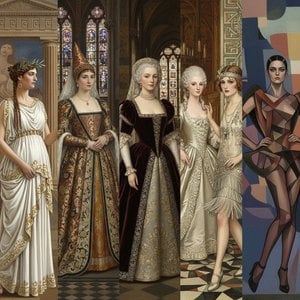
L'importanza storica di Jeanne Lanvin non può essere sopravvalutata, poiché la sua influenza ha colmato il divario tra le ornate tradizioni del XIX secolo e la modernità lineare del XX. La sua capacità di vestire la nobiltà, tra cui la Regina Mary di Teck e Wallis Simpson, fornì un siglio di prestigio che consolidò la sua reputazione tra i critici di gusto più esigenti al mondo. Attraverso il suo lavoro, ha contribuito a definire le transizioni estetiche di diversi decenni:
- L'Era Edoardiana: Caratterizzata da una maestosa arte cappelliera e da intricati applicazioni floreali.
- Il Periodo Art Déco degli anni '20: Un'epoca in cui i suoi design abbracciarono l'eleganza geometrica e il movimento ritmico di una nuova era.
- La Silhouette degli anni '30: In cui sperimentò volumi e texture lussuose come il damasco per creare capolavori di alta moda duraturi.
In definitiva, Jeanne Lanvin ha lasciato un'eredità che continua a ispirare il mondo della moda. Non si è limitata a seguire le tendenze; le ha create, lasciando un segno indelebile nella storia dell'alta moda francese attraverso il suo incrollabile impegno verso la bellezza, il movimento e lo spirito romantico.
Domande e risposte
In quale città e in quale paese è nato/a Jeanne Lanvin?
Jeanne Lanvin è nato a Parigi, in Francia.
Posso studiare l'uso del colore di Jeanne Lanvin in tutte le sue opere?
Il Profilo Cromatico dell'Artista di Jeanne Lanvin è una pagina che presenta il profilo cromatico dell'intera produzione dell'artista.
È possibile visitare un museo virtuale delle opere di Jeanne Lanvin?
Le opere di Jeanne Lanvin sono visibili in una galleria 3D nella pagina Galleria 3D dell'artista.