I Regni Incantati di Jean-Baptiste Pillement
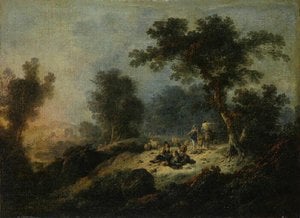
Nel crepuscolo dorato del XVIII secolo, pochi artisti possedevano la capacità di trasportare lo spettatore in un mondo così onirico ed esotico come Jean-Baptiste Pillement. Nato a Nîmes nel 1728, Pillement emerse non solo come pittore, ma come un maestro dell'atmosfera, intrecciando la delicata eleganza dello stile Rococò con una profonda fascinazione per il lontano e l'ignoto. Sebbene i suoi primi anni rimangano parzialmente velati dalle nebbie della storia, la sua ascesa all'interno della gerarchia artistica francese fu nulla di meno che meteorica. Grazie alla meticolosa formazione sotto l'estimato Jean-Baptiste Huet, egli padroneggiò le sottili sfumature dell'acquerello, un mezzo che gli permise di catturare la luce effimera e i pigmenti vibranti necessari per dare vita alle sue visioni fantastiche.
L'opera di Pillement funge da finestra sui movimenti della Chinoiserie e dell'Exotisme che affascinarono l'aristocrazia francese. A differenza dei tradizionalisti della sua epoca, che cercavano conforto nelle rovine romane classiche o in sobri ritratti storici, Pillement rivolse lo sguardo verso l'orizzonte. I suoi viaggi in Italia e il suo profondo legame con i motivi persiani gli permisero di costruire paesaggi che apparivano allo stesso tempo rigogliosi e ultraterreni. Nelle sue mani, il mondo naturale veniva reinventato; palme imponenti, fiumi serpentini e uccelli dalle piume brillanti divennero i protagonisti di un dramma silenzioso e bellissimo. Questa maestria dell'esotico lo rese una figura indispensabile nelle corti di Luigi XV e
Tecnica, Influenza e lo Spirito Rococò
La brillantezza della tecnica di Pillement risiede nella sua capacità di bilanciare la precisione con un bagliore morbido ed etereo. Egli utilizzava una delicata tecnica dello sfumato—una magistrale fusione di toni attraverso una meticolosa stratificazione—che conferiva ai suoi paesaggi una qualità quasi traslucida. Questo approccio gli permetteva di evocare la profondità atmosferica di maestri come Claude Lorrain, pur infondendo queste fondamenta classiche con un'energia unicamente stravagante. Le sue composizioni non erano mai statiche; pulsavano di una vitalità ritmica, caratterizzata spesso da:
- Intricati Dettagli Botanici: Un profondo focus sulla flora che appariva allo stesso tempo scientificamente ispirato e miticamente esaltato.
- Vibrazione Cromatica: L'uso di colori audaci e saturi per rappresentare la lussureggiante opulenza degli ambienti tropicali e orientali.
- Fluidità Decorativa: Una capacità di colmare il divario tra la pittura d'arte e il design decorativo, rendendo le sue opere altrettanto adatte a una tela o a un sontuoso affresco d'interni.
La sua evoluzione stilistica fu profondamente plasmata dalle esplorazioni di artisti come Nicolas Pocock e Gaspar Pérégrine Rigaud. Assorbendo i loro approcci al paesaggio e alla luce, Pillement riuscì a raffinare un'estetica distintiva che appariva radicata nella tradizione europea ma allo stesso tempo selvaggiamente avventurosa. La sua influenza si estese ben oltre la tela, poiché i suoi disegni penetrarono nel tessuto stesso delle arti decorative francesi, influenzando tutto, dai motivi della carta da parati ai decori delle porcellane.
Un'Eredità Duratura nella Storia dell'Arte
L'importanza storica di Jean-Baptiste Pillement non può essere sopravvalutata, in particolare per il suo ruolo nel definire il linguaggio visivo del lusso della fine del XVIII secolo. I suoi prestigiosi incarichi, tra cui spiccano le straordinarie decorazioni murali che adornano il Château de Fontainebleau e il Petit Trianon, rimangono testimonianze del suo status di prediletto della regalità francese. Queste opere non erano semplici decorazioni; erano ambienti immersivi che contribuirono a definire l'identità estetica di un'intera epoca.
Mentre il mondo dell'arte transitava dall'esuberanza giocosa del Rococò verso la disciplina più strutturata del Neoclassicismo, l'opera di Pillement rimase un prezioso ponte tra questi due mondi. Egli ha lasciato in eredità un senso di meraviglia, ricordando alle generazioni future che l'arte possiede il potere unico di trascendere i confini geografici e trasportare lo spirito umano verso terre di infinita bellezza e mistero. Oggi, il suo nome rimane sinonimo di squisitezza, esotismo e dell'eterno fascino del Rococò francese.
Domande e risposte
Esiste un elenco completo delle opere di Jean-Baptiste Pillement?
Ogni opera di Jean-Baptiste Pillement su questo sito può essere consultata nella pagina Tutte le opere d'arte dell'artista.
In quale periodo storico ha operato Jean-Baptiste Pillement?
Jean-Baptiste Pillement ha operato nel periodo Età Moderna. Tale epoca colloca storicamente l'attività dell'artista.
Come posso trovare le opere di Jean-Baptiste Pillement in una specifica palette cromatica?
La pagina Per palette raggruppa le opere di Jean-Baptiste Pillement in base alle loro palette di colori.