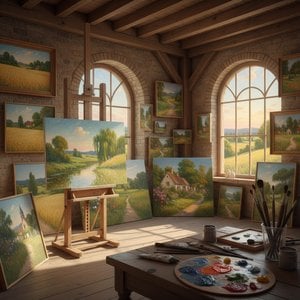
Jarosław Miklasiewicz: Un Ponte tra la Tradizione Fiamminga e l'Osservazione Rurale
Jarosław Miklasiewicz, nato a Poznań, in Polonia, nel 1948, ha intrapreso il suo viaggio artistico nel 1972, affermandosi come un pittore prolifico che ha adornato numerose esposizioni sia nazionali che internazionali. Il suo stile distintivo — caratterizzato da un profondo legame con i paesaggi della Polonia rurale e da un inconfondibile omaggio a Bruegel il Vecchio — ha ottenuto ampio riconoscimento nella storia dell'arte polacca, assicurandosi un posto tra le collezioni più prestigiose di tutto il mondo.
Gli anni formativi di Miklasiewicz sono stati segnati dall'esposizione alle tradizioni artistiche europee, in particolare alle magistrali rappresentazioni di Pieter Bruegel il Vecchio, la cui meticolosa attenzione al dettaglio e l'evocativa ritrazione della vita quotidiana hanno costituito la pietra angolare della sua stessa visione creativa. Il suo talento è stato celebrato in importanti fiere d'arte come quelle di Gand e Colonia, dove ha potuto confrontarsi con i suoi contemporanei. Inoltre, è stato onorato con il secondo premio al Concorso Nazionale di Pittura XIV "John Spychalski" a Poznań nel 1987 e insignito del Premio della Città di Poznań per la Cultura e l'Arte nel 1988, testimonianze tangibili del suo merito artistico e del suo contributo al panorama culturale polacco. Oggi, le sue opere sono orgogliosamente esposte in musei di tutta la Polonia, tra cui il Museo Nazionale di Poznań, i Musei di Varsavia, Cracovia, Radom e i Musei di Bratislava, a dimostrazione del loro duraturo fascino e della loro importanza accademica.
La Prospettiva di un Pittore: “Pratico la Pittura...”
Miklasiewicz ha articolato con eloquenza la sua filosofia artistica: "Pratico la pittura, la cui ispirazione è il mondo dell'ordinario, a volte divertente, una realtà intrappolata nelle proprie illusioni, sogni bizzarri e incantesimi magici, che spesso assumono la forma del grottesco e dell'ambiguo. Allo stesso tempo, mostro nei miei dipinti una costanza temporale, accompagnata dalla sacralità dei miti antichi e moderni e dalla vita quotidiana profana". Questa dichiarazione racchiude il suo nucleo pulsante: il desiderio di esplorazione delle complessità dell'esperienza umana attraverso la lente di soggetti apparentemente banali, ma intrisi di risonanza simbolica e narrazioni stratificate.
Questa capacità di intrecciare l'insolito con il comune è stata lodata anche dalla critica; il Professor Marian Golka ha elogiato il lavoro di Miklasiewicz affermando: “È un mistero di questa pittura, che vedo nelle due domande che accompagnano l'arte di J. Miklasiewicza. La prima è la domanda su quanta parte della nostra vita quotidiana contenga situazioni insolite che non notiamo o non vogliamo notare. La seconda domanda è l'opposto della precedente e riguarda quanto i nostri miti straordinari contengano, presumibilmente, la banalità e l'ordinarietà”. L'osservazione di Golka sottolinea la maestria di Miklasiewicz nel giustapporre elementi sacri e profani — miti antichi accanto alle realtà quotidiane — creando opere che provocano contemplazione e invitano gli spettatori a riconsiderare le proprie percezioni dell'esistenza.
Stile e Tecnica: L'Influenza di Bruegel
Lo stile artistico di Miklasiewicz è innegabilmente radicato nelle convenzioni stilistiche di Bruegel il Vecchio, i cui paesaggi sono caratterizzati da una straordinaria fusione di realismo e umorismo grottesco. L'artista rende meticolosamente le scene rurali con un dettaglio minuzioso — catturando trame, colori e condizioni atmosferiche — ma introduce simultaneamente elementi di distorsione e caricatura per trasmettere commento sociale e intuizione psicologica.
Per ottenere questo effetto, Miklasiewicz impiega la tecnica dell'impasto, applicando strati spessi di colore per creare una superficie tattile che ne esalta l'impatto visivo. Questo metodo conferisce profondità e tridimensionalità ai suoi paesaggi, rispecchiando l'uso magistrale del chiaroscuro tipico di Bruegel per intensificare la tensione drammatica. La sua tavolozza cromatica si affida pesantemente a toni terrosi — ocra, bruni, verdi — che riflettono le sfumature smorzate della campagna polacca, una scelta stilistica deliberata che si allinea alla preferenza di Bruegel per una colorazione naturalistica.
Riconoscimento e Eredità
La dedizione di Miklasiewicz alla sua arte ha portato a numerosi premi prestigiosi e all'inserimento delle sue opere in importanti collezioni d'arte in tutta la Polonia e a livello internazionale, incluse quelle custodite negli Stati Uniti, in Germania, Belgio, Paesi Bassi, Portogallo, Irlanda e Gran Bretagna. La sua presenza duratura nei musei funge da testimonianza della persistente importanza della sua visione artistica: una fusione singolare di tradizione fiamminga e acuta osservazione della vita rurale che continua a ispirare ammirazione e ricerca scientifica.
Fonte: Aleksander Jackowski: “Sztuka zwana naiwna; zarys encyklopedyczny tworczosci w Polsce”. Warszawa 1995. pp. 126-127.