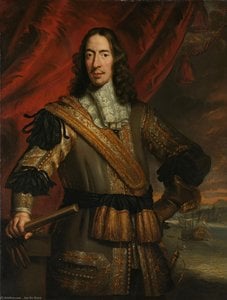
L'Eleganza del Ritratto nell'Età dell'Oro Olandese
Jan de Baen si staglia come una figura di spicco nella illustre Età dell'Oro olandese, celebrato per i suoi ritratti squisitamente realizzati che catturavano lo spirito e la dignità dei soggetti aristocratici. Nato a Haarlem il 20 febbraio 1633, la sua infanzia fu segnata da una profonda tragedia; la morte prematura dei genitori lo lasciò orfano a soli tre anni. Affidato alle cure dello zio, Hinderk Pyman—magistrato e pittore residente ad Emden—de Baen ricevette le sue prime pennellate di ispirazione da un uomo che gli avrebbe trasmesso un'iniziale passione per l'impegno artistico. Questa esperienza formativa spinse de Baen verso una formazione ufficiale, iniziando il suo apprendistato con il rinomato Jacob Adriaensz Backer ad Amsterdam nel 1645, dove affinò le sue doti accanto a uno dei maestri più formidabili dell'epoca.
L'influenza di Backer si rivelò cruciale, plasmando la sensibilità stilistica di de Baen e gettando le basi per le sue future imprese artistiche. Crescendo, l'artista sviluppò una capacità unica di navigare nelle complesse gerarchie sociali del XVII secolo attraverso la sua arte. Divenne un pittore capace di comprendere il sottile linguaggio dello status sociale, infondendo nelle sue opere una specifica eleganza e una valorizzazione dei soggetti che era estremamente ricercata dai suoi ricchi mecenati. Questa abilità nel rendere i suoi ritramente sia realistici che straordinariamente distinti gli permise di ascendere rapidamente alla fama, portandolo infine a servire l'esiliato Carlo II d'Inghilterra durante il periodo del monarca in Olanda.
Un'Eredità di Grandezza Reale e Politica
La traiettoria della carriera di de Baen fu intimamente legata alle mutevoli correnti politiche dell'Europa. Dopo la Restaurazione del 1660, sebbene avesse avuto l'opportunità di accompagnare la corte inglese a Londra, scelse invece una vita stabile all'Aia. Fu proprio qui che la sua reputazione raggiunse l'apice. La sua produzione artistica abbracciò generi diversi, eppure il ritratto rimase la sua opera predominante, riflettendo i molteplici interessi del periodo. Ottenne fama per le sue raffigurazioni di figure influenti come Cornelis de Witt e Johan de Witt, fratelli che detenevano posizioni di notevole potere nel governo olandese. In queste opere, catturò i loro tratti con straordinaria precisione, trasmettendo un senso di solenne grandezza che immortalò il loro peso politico.
Oltre l'élite politica olandese, il pennello di de Baen toccò la vetta stessa della regalità europea. È celebre per aver catturato il ritratto di Re Guglielmo III d'Inghilterra, consolidando la sua reputazione di ritrattista capace di elevare i soggetti a uno status iconico. La sua capacità di fondere un realismo meticoloso con un'estetica lusinghiera lo rese uno dei pittori di ritratti più popolari tra il 1665 e il 1700. Mentre la storia ricorda spesso le ombre pesanti di Rembrandt o l'audacia di Frans Hals, de Baen offriva una visione differente e più levigata: una visione fatta di luce, raffinatezza e della sofisticata grazia dei vertici sociali dell'Aia.
Tecnica, Vita Privata e Ultimi Anni
Al di là del meticoloso realismo, la tecnica di de Baen si distingueva per la capacità di soddisfare il desiderio di prestigio dell'epoca. Egli padroneggiò l'arte di presentare le texture—la lucentezza della seta, il peso del velluto e gli intricati dettagli del pizzo—in un modo che parlava direttamente alla ricchezza dei suoi committenti. Il suo lavoro non era una mera documentazione, ma la creazione di una persona idealizzata. Questa maestria è forse visibile con più intimità nel suo Autoritratto con la moglie, Maria de Kinderen del 1674, dove mostra sia le sue doti pittoriche che un tenero legame con la sua famiglia, ricordandoci che dietro i grandi ritratti dei re si celava un uomo profondamente radicato nella propria realtà domestica.
La vita di de Baen fu fatta di trionfi professionali e continuità personale. Sposò Maria de Kinderen nel 1665 e insieme formarono una numerosa famiglia, con almeno otto figli, uno dei quali, Jacobus, seguì le orme del padre diventando egli stesso pittore. Questo ciclo di lignaggio artistico è una testimonianza della natura duratura della tradizione olandese. Jan de Baen morì all'Aia l'8 marzo 1702, lasciando dietro di sé un corpus di opere che rimane una finestra vitale sullo splendore, sulla politica e sulla raffinata eleganza dell'Età dell'Oro olandese.
Domande e risposte
Quante opere di Jan De Baen sono disponibili nel catalogo?
Puoi sfogliare 38 opere d'arte opere di Jan De Baen nella pagina Tutte le opere.
A quale periodo storico appartiene l'opera di Jan De Baen?
Jan De Baen ha operato nel periodo Età Moderna, collocando storicamente la sua attività.
In quale città e in quale paese è nato/a Jan De Baen?
Jan De Baen è nato a Haarlem, in Paesi Bassi.