Lo Spirito di un Glasgow Boy
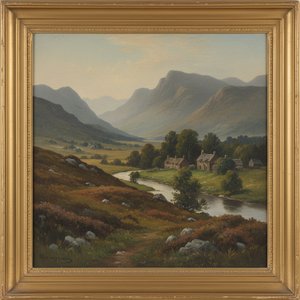
James Elder Christie emerse dai paesaggi selvaggi di Stirling, in Scozia, in un mondo sospeso tra la fuliggine del progresso industriale e i sussurri persistenti del Romanticismo. In quanto membro vitale del celebre collettivo dei Glasgow Boys, la sua vita e la sua opera funsero da ponte tra queste due epoche. Gli anni della formazione presso la Paisley Art School gli fornirono una solida base nella tradizione classica, eppure fu la sua capacità di infondere questo addestramento con il nascente spirito del Simbolismo a definire veramente la sua eredità. Insieme ai contemporanei come John Atkinson Grimshaw e Angus McLaren, Christie cercò di andare oltre la mera imitazione, sforzandosi invece di catturare l'essenza psicologica e atmosferica dell'esperienza scozzese attraverso una lente di meticoloso realismo.Un Arazzo di Luce e Leggenda
La brillantezza dell'opera di Christie risiede nel suo magistrale dominio del chiaroscùro e nella sua capacità di intrecciare la narrazione nella trama stessa delle sue composizioni. Possedeva un raro talento nel trasformare il quotidiano in magico, una dote che emerge con maggiore evidenza nei suoi dipinti di genere ispirati all'anima poetica di Robert Burns. In opere come “Tam o’ Shanter,” Christie impiega drammatici contrasti tra luce e ombra per evocare l'energia inquietante e soprannaturale della leggendaria ballata. Questa stessa vivacità pulsa attraverso “Halloween Frolics,” dove un incontro festoso nei boschi prende vita attraverso accenti di rosso, giallo e profondi verdi forestali. Attraverso la sua pennellata espressiva, l'artista non si limita a ritrarre una scena; egli invita lo spettatore in un momento di puro, incontaminato divertimento, dove lanterne e palloncini danzano contro l'avanzare della notte.L'Intimità del Ritratto Umano
Al di là delle grandi narrazioni e delle scene festive, Christie fu un profondo osservatore della condizione umana, in particolare attraverso la sua sensibile ritrattistica. Nutriva un'affinità speciale per la cattura dell'innocenza dell'infanzia e della quieta dignità dei suoi soggetti. In “G. Whiting,” dipinto nel 1888, si trova un esempio squisito della sua capacità di trasmettere il carattere attraverso toni ricchi e smorzati e un senso di profonda intimità. I suoi ritratti non sono mai statici; sono studi di profondità psicologica, che ritraggano le sfumate dinamiche familiari di “Vanity Fair” o la contemplativa quiete di una singola figura. Fondendo un realismo meticoloso con un tocco allegorico, Christie assicurò che i suoi soggetti rimanessero senza tempo, ponendosi come simboli duraturi del complesso e mutevole paesaggio emotivo dell'era vittoriana.Domande e risposte
Dove posso vedere il profilo cromatico delle opere di James Elder Christie?
Il Genoma della Palette di James Elder Christie è una pagina che presenta il profilo cromatico dell'intera produzione dell'artista.
Quali emozioni esprimono le opere di James Elder Christie?
La Stanze d'atmosfera di James Elder Christie è una pagina che organizza le opere dell'artista in base all'umore.
Quante opere di James Elder Christie sono disponibili per la consultazione?
Puoi sfogliare 48 opere d'arte opere di James Elder Christie nella pagina Tutte le opere d'arte.