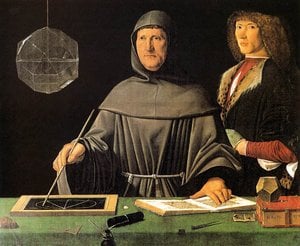
L'Enigmatico Visionario di Venezia e Norimberga
Jacopo de’ Barbari rimane uno degli enigmi più affascinanti del Rinascimento, un maestro la cui storia personale è stratificata e complessa quanto le illusioni trompe l'oeil che egli stesso ha perfezionato. Sebbene le sue origini precise siano avvolte nelle nebbie della storia, le testimonianze contemporanee—comprese quelle del leggendario Albrecht Dürer—lo ancorano fermamente a Venezia. Nonostante gli studiosi dibattano se la sua nascita sia avvenuta intorno al 1else 1450 o al 1470, la presenza dell'artista negli annali storici è innegabile e profonda. Egli attraversò le grandi corti d'Europa non solo come pittore, ma come un pioniere della prospettiva, capace di colmare il divario tra la delicata sensibilità dell'arte italiana e le rigorose e dettagliate tradizioni del Rinascimento nordico.
Il suo percorso fu caratterizzato da una straordinaria espansione geografica e stilistica. Intorno al 1500, Barbari intraprese un'odissea trasformativa che avrebbe ridefinito la sua identità artistica. Lasciando alle spalle i canali di Venezia, viaggiò verso la Germania, dove servì sotto l'imperatore Massimiliano I a Norimberga. Questo periodo di intenso scambio culturale lo vide operare con il nome di Jacop Walch, un soprannome probabilmente derivato da "Wälsch", termine usato dai tedeschi per indicare uno straniero, specificamente un italiano. I suoi viaggi proseguirono attraverso le corti di Federico III di Sassonia e Gioacchino I del Brandeburgo, permettendogli di intrecciare le luminose tavolozze cromatiche delle sue radici veneziane con la meticolosa, quasi scientifica, precisione tipica dei maestri tedeschi.
Un Maestro di Illusione e Dettaglio
Il vero genio di Barbari risiede nella sua capacità di manipolare la percezione dello spettatore, creando opere che sfidano il confine stesso tra arte e realtà. È forse celebre soprattutto per i suoi contributi rivoluzionaria al genere della natura morta. Nelle sue opere più famose, come la Natura morta con partridge e guanti di ferro, raggiunse un livello di trompe l'oeil—ovvero "ingannare l'occhio"—che non si vedeva dai tempi dell'antichità. Rappresentando texture come il ferro freddo, la pelle morbida e il piumaggio organico con una precisione così sorprendente, egli invitò gli osservatori in uno spazio meditativo dove la permanenza degli oggetti creati dall'uomo incontrava la natura fuggevole della vita.
Oltre alla scala intima delle sue nature morte, Barbari dimostrò un comando senza pari nell'arte topografica di grande formato. Il suo Pianta di Venezia, creato nel 1500, si erge come un traguardo monumentale dell'incisione. Questa straordinaria xilografia offre una veduta a volo d'uccello della Repubblica di Venezia al suo apice, presentando un'odissea aerea tra intricati canali e isole. È molto più di una mappa; è un capolavoro della cartografia rinascimentale e della visione artistica, capace di mostrare un livello di dettaglio che cattura la grandezza e la complessità della città con una chiarezza quasi soprannaturale.
Eredità e Influenza Artistica
\nL'importanza storica di Jacopo de’ Barbari non può essere sopravvalutata. Come uno dei primi artisti del Rinascimento italiano di vero prestigio a lavorare estensivamente nell'Europa settentrionale, egli agì come un vitale condotto per l'innovazione artistica. Il suo stile fu profondamente informato dai maestri della sua epoca, traendo forza dalla prospettiva lineare di Andrea Mantegna e dal rigore tecnico di Albrecht Dürer. Eppure, era lontano dall'essere un semplice imitatore; la sua opera possedeva uno spirito altamente individualista, caratterizzato da una fusione unica tra la grazia italiana e la precisione germanica.
I suoi contributi all'evoluzione della stampa—attraverso ventinove incisioni e tre massicce xilografie—hanno lasciato un segno indelebile nel panorama artistico europeo. Anche se la sua biografia personale rimane in parte perduta nel tempo, la sua eredità visiva perdura attraverso:
- L'invenzione della natura morta moderna: stabilendo le fondamenta del genere attraverso l'uso di texture iperrealistiche e composizioni simboliche.
- La maestria della prospettiva: utilizzando tecniche di trompe l'oeil per espandere la profondità psicologica della pittura rinascimentale.
- Sintesi culturale: creando un ponte stilistico tra le tradizioni artistiche mediterranee e germaniche, arricchendo il patrimonio condiviso del Rinascimento.
Domande e risposte
Quali opere di Jacopo De Barbari sono le più visualizzate?
È disponibile una pagina Statistiche dedicata a Jacopo De Barbari, che presenta le statistiche relative alle sue opere su questo sito web.
A quale periodo storico appartiene l'opera di Jacopo De Barbari?
Jacopo De Barbari ha operato nel periodo Rinascimento, collocando storicamente la sua attività.
Posso sfogliare le opere di Jacopo De Barbari per movimento artistico?
La pagina Tutti i movimenti raggruppa le opere di Jacopo De Barbari per movimento artistico.