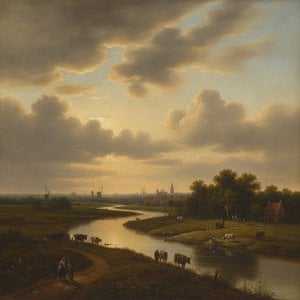
Un'Eco Fiorito dell'Età dell'Oro Olandese
Jacob van Walscapelle, un nome che sussurra tra i corridoi dell'Età dell'Oro olandese, rimane uno dei cronisti più delicati dello splendore fugace della natura di quell'epoca. Nato nel 1644 a Dordrecht, la sua vita e la sua arte furono profondamente intrecciate con le vibranti tradizioni botaniche dei Paesi Bassi. Sebbene la storia lo collochi spesso all'ombra di maestri più fragorosi, Walscapelle riuscì a ritagliarsi uno spazio proprio attraverso una devozione quasi ossessiva per i minimi dettagli del mondo naturale. Non era semplicemente un pittore di fiori, ma un poeta dei petali, capace di catturare il battito effimero della vita all'interno della quiete delle sue composizioni.
Le fondamenta del suo talento furono gettate durante gli anni formativi trascorsi come apprendista sotto l'estimato Cornelis Kick tra il 1664 e il 1667. Questo periodo fu molto più di una semplice educazione tecnica; fu un'immersione in un laboratorio vivente di colore e forma. Poiché Kick curava un giardino espanso — un santuario per lo studio botanico — Walscapelle imparò a osservare i sottili mutamenti della luce su una foglia e la consistenza vellutata di una rosa in fiore. Quando l'espansione di Amsterdam rese necessaria la traslazione del giardino di Kick nel polder di Diemermeer, Walscapelle lo seguì, assicurandosi che il suo primo addestramento fosse intriso dell'osservazione diretta di esemplari viventi piuttosto che della mera imitazione di stampe.
Maestria della Luce e Precisione Botanica
Sguardo un capolavoro di Walscapelle significa entrare in un mondo dove il tempo ha momentaneamente interrotto il suo cammino. Il suo stile, profondamente debitore al leggendario Jan Davidsz de Heem, utilizza una tavolozza cromatica luminosa e un uso drammatico del chiaroscuro per infondere vita ai suoi soggetti. Egli possedeva una rara capacità di rendere le texture in modo così convincente che si può quasi percepire la rugiada che aderisce a un petalo o il peso fresco e pesante di un vaso di pietra. Le sue opere presentano spesso una complessa disposizione di diverse specie, riunendo talvolta oltre una dozzina di varietà distinte in un unico, mozzafiato spettacolo.
Oltre alla mera accuratezza botanica, l'opera di Walscapelle è intrisa di un profondo senso di atmosfera. Egli padroneggiò l'arte della vanitas — il sottile promemoria della transitorietà della vita. Nelle sue composizioni, una peonia perfettamente sbocciata può trovarsi accanto a uno stelo leggermente appassito o a una foglia caduta, creando un dialogo silenzioso tra la massima vitalità e l'inevitabile decadimento. Questa tensione tra il permanente — rappresentato da vasi robusti o pesanti drappeggi — e la natura effimera dei fiori crea una risonanza emotiva che trascende la semplice decorazione, invitando lo spettatore a contemplare l'essenza stessa dell'esistenza.
Eredità e Significato Artistico
Sebbene il suo nome sia occasionalmente oscurato dalla grandezza dei suoi contemporanei, l'influenza e il contributo di Walscapelle al genere della natura morta floreale sono innegabili. Il suo approccio meticoloso funse da ponte tra gli stili espansivi ed esuberanti della metà del XVII secolo e le sensibilità più raffinate e delicate che seguirono. La sua abilità tecnica era tale che molte delle sue opere furono storicamente confuse con quelle del suo mentore, Cornelis Kick, una testimonianza della qualità impeccabile della sua esecuzione.
Il significato storico di Jacob van Walscapelle risiede nella sua capacità di catturare l'anima del paesaggio olandese entro i confini di uno studio. La sua eredità è preservata in:
- Eccellenza Tecnica: La perfezione della resa botanica e della manipolazione della luce che ha definito l'alto standard della natura morta olandese.
- Profondità Simbolica: L'uso sofisticato delle composizioni floreali per comunicare temi complessi di bellezza, mortalità e il passare del tempo.
- Continuità Artistica: Il suo ruolo nel mantenere ed evolvere le tradizioni stabilite da maestri come de Heem e Kick, garantendo la vitalità del genere per le generazioni future.
Domande e risposte
In quali periodi è suddivisa la carriera di Jacob Van Walscapelle?
La carriera di Jacob Van Walscapelle si svela periodo dopo periodo nella pagina Cronologia artistica: una linea temporale orizzontale delle opere, raggruppate in capitoli relativi ai vari periodi della sua carriera.
Dove posso vedere tutte le opere di Jacob Van Walscapelle?
Tutte le opere di Jacob Van Walscapelle presenti su questo sito web sono consultabili nella pagina Tutte le opere dell'artista.
Dove posso vedere le opere di Jacob Van Walscapelle suddivise per atmosfera?
La pagina Spazi d'atmosfera dell'artista presenta le opere di Jacob Van Walscapelle suddivise per atmosfera.