Il Visionario Botanico: La Vita e l'Eredità di Huron Herbert Smith
Nell'intersezione silenziosa dove il rigore scientifico incontra la delicata bellezza del mondo naturale, la vita di Huron Herbert Smith emerge come una profonda testimonianzza della curiosità umana. Nato nel cuore dell'America, a Danville, nell'Indiana, nel 1883, Smith possedeva una sensibilità innata verso le trame viventi della terra. Il suo percorso non fu una semplice ricerca accademica, ma un'esplorazione dell'anima attraverso i dialoghi silenziosi tra la flora e le culture indigene che da tempo le venerano. Attraverso i suoi occhi, una pianta non era mai solo un esemplare biologico; era un contenitore di storia, una pietra angolare della tradizione e un capolavoro di design evolutivo.
Le fondamenta intellettuali di Smith furono forgiate nei prestigiosi atri della Depauw University e della Cornell University, dove padroneggiò le discipline della botanica e della zoologia. Questa formazione rigorosa gli fornì la precisa conoscenza anatomica necessaria per l'eccellenza scientifica, eppure non riuscì a soffocare la sua nascente passione per l'etnobotanica, ovvero lo studio dell'interazione tra esseri umani e piante. Egli possedeva una rara capacità di guardare oltre la struttura cellulare di una foglia per scorgere il significato culturale impresso nelle sue fibre, riconoscendo che le tradizioni orali e il folklore delle tribù Native Americane custodivano verità vitali tanto quanto qualsiasi scoperta di laboratorio.
Una Simbiosi tra Scienza e Arte
L'apice professionale della carriera di Smith fu definito dal suo lavoro trasformativo presso il Milwaukee Public Museum. Ricoprendo il ruolo di assistente curatore di botanica e successivamente alla guida del dipartimento, intraprese la missione di documentare la saggezza botanica delle tribù Native Americane con un dettaglio senza precedenti. Il suo approccio era unicamente olistico; egli comprese che per preservare veramente l'importanza di una specie, bisognava catturarne sia la forma fisica che lo spirito culturale. Ciò portò a una magnifica sintesi tra illustrazione botanica e narrazione etnografica.
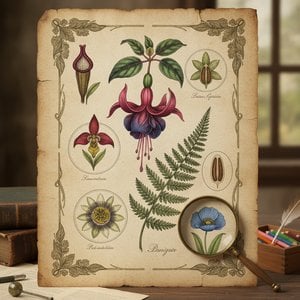
Le sue illustrazioni erano molto più di semplici diagrammi. Erano rappresentazioni evocative che infondevano vita ai campioni da lui raccolti. Fondendo una meticolosa accuratezza scientifica con l'occhio dell'artista per la luce, l'ombra e la consistenza, Smith creò un linguaggio visivo capace di colmare il divario tra l'archivio museale e l'esperienza umana. Il suo lavoro si concentrava spesso su:
- L'intricata morfologia della flora nativa, catturata con tale precisione da fungere da documenti vitali per le generazioni future.
- Le narrazioni culturali dell'uso delle piante, intrecciando storie di importanza medicinale, cerimoniale e nutrizionale nelle sue osservazioni scientifiche.
- La preservazione del sapere indigeno, agendo come un ponte tra le svanenti tradizioni orali di tribù come i Meskwaki e il registro permanente della scienza occidentale.
Un'Impronta Indelebile sulle Scienze Naturali
Sebbene la sua vita sia stata tragicamente interrotta nel 1933, a seguito di un incidente automobilistico all'età di quarantanove anni, l'impatto di Huron Herbert Smith rimane profondamente inciso negli annali della botanica americana. La sua dedizione ha lasciato in eredità una monumentale collezione di campioni botanici, gran parte della quale è preservata e digitalizzata presso il Milwaukee Public Museum, garantendo che le sue meticolose osservazioni continuino a ispirare ricercatori e artisti allo stesso modo. La sua capacità di documentare l'etnobotanica degli Indiani Ojibwe e di altre tribù ha fornito una base cruciale per il campo dell'etnobotanica così come lo conosciamo oggi.
Il significato storico di Smith risiede nel suo rifiuto di separare l'osservatore dall'osservato. Egli non vedeva la natura come un oggetto da sezionare, ma come un arazzo vivente di cui l'umanità è un filo integrante. In ogni tratto delle sue illustrazioni e in ogni nota dei suoi diari di campo, vi è un profondo rispetto per l'interconnessione di tutta la vita. Oggi, lo ricordiamo non solo come curatore o scienziato, ma come un pioniere che ci ha insegnato a leggere le storie scritte nel verde stesso sotto i nostri piedi.