CONSULENZA D'ARTE GRATUITA

x

Hugh Munro

1870 - 1916

Brevi note biografiche

  • Nationality: Inghilterra
  • Museums on APS:
    • Collezione dell’Istituto d’Arte di Paisley
    • Collezione dell’Istituto d’Arte di Paisley
    • Collezione dell’Istituto d’Arte di Paisley
    • Collezione dell’Istituto d’Arte di Paisley
    • Collezione dell’Istituto d’Arte di Paisley
  • Top 3 works:
    • Scots Pines
    • Boatmen Approaching Storm
    • Roses and My Morning Walk
  • Lifespan: 46 years
  • Works on APS: 11
  • Also known as: Hector Hugh Munro
  • Espandi dettagli…
  • Died: 1916
  • Top-ranked work: Scots Pines
  • Copyright status: Public domain
  • Born: 1870, Inghilterra
  • Art period: Moderno

Quiz d'arte

Per ogni domanda è presente una sola risposta corretta.

Domanda 1:
Q1
Domanda 2:
Q2
Domanda 3:
Q3
Domanda 4:
Q4
Domanda 5:
Q5

Hugh Munro (1870 – 1916): Patron of Turner and Pioneer of Scottish Landscape Painting

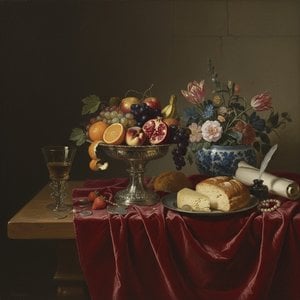
Hugh Andrew Johnstone Munro of Novar was a British art collector and amateur painter who profoundly shaped the artistic panorama of his era, primarily through his unwavering devotion to J.M.W. Turner and his crucial role in establishing Scottish landscape painting as a respected artistic tradition. Born in London in 1870, he descended from Hector Munro, 8th Earl of Novar—a towering figure in Highland history—and inherited the expansive estate of Novar House in Ross-shire upon his father’s passing in 1810. Despite confronting obstacles such as a brother afflicted by mental instability and lacking formal academic credentials (he pursued studies at Oxford without attaining a degree), Munro possessed an indomitable passion for art, elevating it above political aspirations—a conviction that defined his life's trajectory. His formative years resonated with the tumultuous Highland Clearances—a period marked by coercive displacement of tenant farmers from their ancestral lands—an experience that indelibly imprinted upon his worldview and galvanized his commitment to safeguarding Scotland’s cultural heritage. However, Munro’s artistic journey commenced not with sweeping vistas but with an initial fascination for Greuze-style still lifes, demonstrating a meticulous attention to detail and capturing the serene dignity of rural existence. He showcased his artwork in London, revealing considerable talent as an amateur artist and solidifying his position as a connoisseur of Old Masters alongside Turner—a connection that would prove transformative. The bond between Munro and Turner was particularly remarkable—a friendship nurtured by shared artistic sensibilities and strengthened through extensive travel. Turner recognized Munro’s discerning eye for beauty and championed his vision for portraying the sublime grandeur inherent in nature. Their collaborative endeavors yielded iconic paintings like “Venice from the Porch of Madonna della Salute” (1837) and “The Lake of Zug” (1843)—works that sparked spirited debates regarding artistic interpretation, notably concerning Ruskin’s critique of Turner's stylistic choices. Ruskin, Turner’s rival collector and critic, meticulously documented Munro’s reservations about “The Lake of Zug,” illuminating the complexities inherent in evaluating artistic merit—a testament to the intellectual dynamism of their era. Furthermore, Munro actively engaged in commissioning artworks from other artists, including “Storm in the St. Gotthard Pass: The First Bridge Above Altdorf” (1845), a piece that also drew Ruskin’s disapproval. This reciprocal exchange underscored Munro's willingness to participate in artistic dialogues—trading Turner’s paintings for Scottish subjects he himself cherished—a gesture indicative of the interconnectedness within the artistic community and influencing Turner’s stylistic evolution. Notably, Dr. Thomas Monro, a distant relative of Munro’s, played an early role in supporting Turner’s burgeoning career—a connection that exemplifies the broader social context shaping artistic endeavors during the Victorian period. Hugh Munro perished unexpectedly at Novar House in 1916 without bequeathing a will, leaving behind a legacy as one of Scotland's most influential art collectors and a pivotal figure in propelling Scottish landscape painting toward international recognition. His papers—carefully guarded by him—offer invaluable insight into his artistic proclivities and intellectual convictions—a poignant reminder of a man who prioritized aesthetic appreciation and cultural preservation above all else, securing his place within the annals of British art history.