L'Architetto dell'Illusione: La Vita e la Visione di Horacio García Rossi
Horacio García Rossi (1929–2012) era molto più di un semplice pittore; era un architetto della percezione, un maestro capace di costruire mondi visivi che respiravano, vibravano e mutavano sotto lo sguardo dell'osservatore. Nato a Buenos Aires, in Argentina, i suoi primi anni furono caratterizzati da una profonda curiosità intellettuale che cercava di colmare il divario tra l'estetica e la scienza. Dopo aver affinato le sue abilità tecniche presso la Escuela de Publicidad de Buenos Aires e aver consolidato le sue basi artistiche all'Escuela Nacional de Bellas Altes Prilidiano Pueyrredón, García Rossi intraprese un viaggio che lo avrebbe condotto nel cuore dell'avanguardia europea. Il suo trasferimento a Parigi nel 1959 segnò un'era trasformativa, immergendolo in un panorama di sperimentazione radicale, con l'obiettivo di smantellare i confini tra la tela e l'occhio.
La vera metamorfosi del suo stile avvenne attraverso il coinvolgimento nel Groupe de Recherche d’Art Visuel (GRAV). Insieme ad altri visionari, García Rossi divenne un membro fondatore di questo influente collettivo, che mirava a democratizzare l'arte allontanandosi dalla rappresentazione statica verso un'esperienza interattiva. All'interno di questa fucina di innovazione, egli esplorò la meccanica della vista, trattando la tela non come una finestra su un altro mondo, ma come un laboratorio per i fenomeni ottici. La sua opera in questo periodo si intrecciò profondamente con i principi della matematica, della fisica e della cibernetica, riflettendo una fascinazione per il modo in cui la luce, la geometria e il movimento potessero innescare risposte fisiologiche nel sistema nervoso umano.
Una Sinfonia di Geometria e Movimento
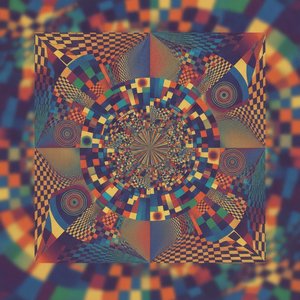
Incontrare un capolavoro di García Rossi significa entrare in uno stato di flusso percettivo. La sua tecnica si basava sulla meticolosa disposizione di elementi geometrici primari — cerchi, quadrati e triangoli — per creare schemi che sembrano sfidare le stesse leggi della fisica. Attraverso l'uso strategico del contrasto e della ripetizione ritmica, egli raggiunse un risultato straordinario: la creazione di illusioni ottiche che appaiono pulsare o ruotare. Queste opere non sono mai veramente immobili; richiedono un impegno attivo da parte dello spettatore, i cui movimenti oculari completano l'opera stessa. L'artista utilizzò il linguaggio dell'Op Art e dell'Arte Cinetica per sfidare le certezze dell'osservatore sulla realtà, trasformando l'atto del guardare in un evento dinamico e partecipativo.
La brillantezza della sua esecuzione risiede nella sottile tensione tra ordine e caos. Sebbene le sue composizioni siano rigorosamente strutturate dalla precisione geometrica, l'effetto visivo risultante è di una vibrazione organica. Le sue tele presentano spesso:
- Schemi intrecciati che creano un senso di profondità e di infinito arretramento.
- Spostamenti cromatici ad alto contrasto, progettati per stimolare la fatica retinica e indurre il movimento.
- Ritmi matematici che imitano le fluttuazioni naturali di luce e ombra.
Eredità e Significato Storico
Il significato storico di Horacio García Rossi è consolidato dal suo ruolo nell'espansione globale del movimento dell'Arte Cinetica. La sua presenza in mostre storiche, come la documenta 3 a Kassel e la leggendaria "The Responsive Eye" al Museum of Modern Art (MoMA) di New York, lo ha posto all'avanguardia di un movimento che ha ridefinito il rapporto tra arte e scienza. È stato una figura cruciale che ha contribuito a far transitare l'arte dall'era dell'osservazione contemplativa a quella dell'interazione sensoriale.
Anche mentre il mondo dell'arte attraversava vari mutamenti stilistici, l'impegno di García Rossi nell'esplorazione della percezione è rimasto incrollabile. La sua eredità vive nel modo in cui comprendiamo l'intersezione tra tecnologia ed estetica, ricordandoci che l'arte può essere uno strumento potente per indagare i meccanismi stessi della coscienza umana. Egli rimane un'icona duratura del modernismo argentino-francese, un creatore che è riuscito a catturare la danza effimera di luce e geometria entro i confini permanenti della cornice.
Domande e risposte
Quali emozioni esprimono le opere di Horacio García Rossi?
La pagina Stanze d'atmosfera dell'artista mostra le opere di Horacio García Rossi suddivise per atmosfera.
Come posso trovare tutte le opere di Horacio García Rossi per un determinato medium?
La pagina Tutti i media raggruppa le opere di Horacio García Rossi per tecnica.
Posso esplorare le opere di Horacio García Rossi tramite parole chiave?
Per trovare le opere di Horacio García Rossi su un tema specifico, utilizza la pagina Per parole chiave dell'artista, che raggruppa le opere per parola chiave.