Il Visionario Imperiale: La Vita e l'Eredità di Hans Maler zu Schwaz
Nel cuore del Rinascimento, tra le brulicanti ricchezze minerarie delle Alpi Tirolesi, il pennello di Hans Maler zu Schwaz catturò molto più di una semplice somiglianza; egli immortalò l'essenza stessa del potere. Nato nella storica città tedesca di Ulma intorno al 1480, il percorso artistico di Maler affondava le radici nelle prestigiose tradizioni della Scuola di Ulma. Gli studiosi ritengono ampiamente che la sua formazione iniziale sia stata plasmata dall'influenza di Bartholomäus Zeitblom, un maestro la cui precisione e delicata gestione della forma fornirono le fondamenta su cui Maler avrebbe costruito la sua reputazione di ritrattista preminente della corte asburgica.
Sebbene le sue origini risiedessero a Ulma, la carriera di Maler trovò la sua vera risonanza nella laboriosa città di Schwaz. Questa località, snodo vitale per il dominio asburgico, lo pose all'incrocio tra la politica e il commercio europeo. Qui, egli si trasformò da studente della tradizione tedesca in un sofisticato cronista delle figure più formidabili dell'epoca. La sua opera divenne una testimonianza visiva della stabilità e della grandezza dei regni di Massimiliano I e Ferdinando I, fungendo da ponte tra le sensibilità del tardo gotico e il nascente umanesimo del Rinascimento.
Una Maestria di Sobrietà e Dignità
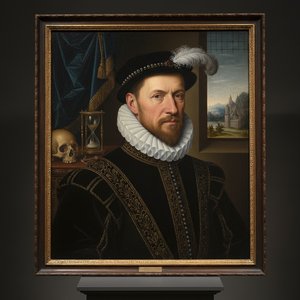
Ciò che distingue Maler dai ritrattisti più sfarzosi della sua epoca è il suo profondo impegno verso un'estetica composta, quasi monastica. Egli prediligeva il formato del ritratto a busto, una scelta che eliminava le distrazioni di vasti paesaggi o gesti teatrali per concentrarsi interamente sulla presenza psicologica dei suoi soggetti. Nelle sue mani, la tela diventava uno spazio di quieta contemplazione. La sua tecnica era caratterizzata da una dedizione incrollabile all'osservazione meticolosa, dove ogni sottile ruga della pelle e ogni piega del pesante velluto parlavano dello status e del carattere del soggetto.
C'è una qualità inquietante nelle sue composizioni, spesso ottenuta attraverso una deliberata mancanza di contatto visivo diretto tra il modello e lo spettatore. Questa tecnica crea un senso di compostezza regale, suggerendo che i soggetti siano persi in profondi pensieri intellettuali o forse gravati dal peso delle loro responsabilità imperiali. Evitando il movimento espressivo, Maler raggiunse un'atemporalità; i suoi ritratti non catturano semplicemente un momento nel tempo, ma piuttosto uno stato d'essere duraturo. Questa disciplina stilistica gli permise di trasmettere la solennità richiesta dai suoi patroni di alto rango, trasformando semplici ritratti in icone di autorità.
Mecenatismo e la Documentazione di un'Epoca
L'importanza storica di Hans Maler zu Schwaz è indissolubilmente legata ai prestigiosi circoli che frequentò. La sua capacità di ottenere commissioni dai più alti ranghi della nobiltà europea — in particolare dalla dinastia degli Asburgo — consolidò il suo posto nella storia dell'arte. Attraverso opere come i suoi ritratti di Ferdinando d'Asburgo e della Regina Anna d'Ungheria e Boemia, Maler fornì il vocabolario visivo per la propaganda imperiale, proiettando un'immagine di eleganza, forza e legittimità in tutto il continente.
Tuttavia, l'influenza di Maler si estese oltre il palazzo reale, raggiungendo il mondo in espansione della classe mercantile. Il suo coinvolgimento nel documentare le vite di figure prominenti come la famiglia Fugger dimostra la sua versatilità e il suo ruolo di cronista dei mutamenti economici dell'epoca. Attraverso la sua arte, vediamo l'intersezione tra la vecchia nobiltà e la nuova ricchezza, catturata con lo stesso livello di meticoloso dettaglio e dignità. La sua eredità rimane una finestra vitale sul XVI secolo, offrendoci uno sguardo profondo sui volti che modellarono il panorama politico e sociale del Sacro Romano Impero.