A Legacy Forged in Passion: The World of Gyan Museum
The Gyan Museum, nestled in the heart of Jaipur, India, is more than a repository of exquisite objects; it’s a testament to the lifelong devotion of its founder, Late Mr. Gyan Chand Ji Dhaddha (1940-2004). Born into a traditional Jain family, Dhaddha was immersed from an early age in a world rich with philosophy, visual culture, and deeply held belief systems – influences that would profoundly shape his aesthetic sensibility and ultimately fuel his extraordinary collection. His story isn’t one of inherited wealth or formal training, but rather a narrative of innate curiosity blossoming into a passionate pursuit, transforming him from a young enthusiast to a discerning collector whose vision now graces the cultural landscape of Rajasthan. The seeds of this passion were sown at the tender age of sixteen when his father gifted him two antique silver heads, originally part of a hookah mouthpiece. This seemingly small gesture ignited within him an insatiable fascination with antiques and the stories they held, marking the unassuming beginning of a journey spanning decades.
From Personal Fascination to Cultural Preservation
Dhaddha’s collecting wasn't merely about acquisition; it was driven by a profound belief in the intrinsic beauty and value of owning objects imbued with history and craftsmanship. He travelled extensively, not as a detached observer but as an active participant, seeking out pieces that resonated with his deeply personal aesthetic. This wasn’t simply a hobby, but a way of life – a constant dialogue between himself and the cultural heritage he so admired. He believed in fostering a direct relationship with the objects themselves, understanding their origins, appreciating their artistry, and preserving them for future generations. His collection grew organically, encompassing over 2500 works spanning three millennia—a remarkable breadth that reflects his eclectic taste and unwavering dedication. This included not only Indian art forms but also treasures from across the globe, demonstrating a truly cosmopolitan outlook. He wasn’t simply collecting artifacts; he was building a narrative of human creativity and cultural exchange.
The Museum as Reciprocal Recognition
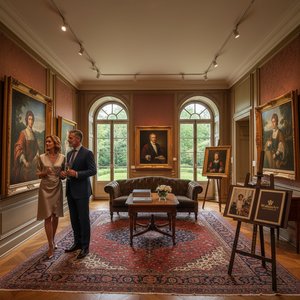
Following Dhaddha's passing in 2004, his sons, Suresh and Arun, embarked on the ambitious project of transforming his personal collection into the Gyan Museum – a fitting tribute to their father’s legacy. The museum itself is a carefully considered space, designed by Paul Mathieu, reflecting the unique character of the collection it houses. The architectural layout is circular, intended to evoke a sense of continuity and interconnectedness, mirroring the reciprocal relationship between past and present that Dhaddha so valued. Every detail, from the minimalist pillars to the hand-knotted rugs, contributes to an atmosphere of calm contemplation, allowing visitors to fully immerse themselves in the world of the Gyan Collections. The museum isn’t simply a display case for objects; it's a carefully orchestrated environment designed to enhance their beauty and significance.
A Diverse Tapestry of Art and History
The collection at Gyan Museum is remarkably diverse, encompassing jewelry from Rajasthan – including stunning examples from the 18th and 19th centuries – alongside textiles, watches, paintings, ancient scriptures, medieval coins, arms, and ammunition. This breadth allows for a fascinating exploration of Indian history and culture, showcasing the artistry and craftsmanship of different eras and regions. The museum also features Dhaddha’s personal belongings, offering an intimate glimpse into the life of the collector himself. A particularly noteworthy aspect is the preservation of original gold and silver pieces, rescued from being melted down for their material value – a testament to Dhaddha's commitment to safeguarding cultural heritage. The collection isn’t organized chronologically or thematically but rather presented as a holistic vision, reflecting the interconnectedness of art, history, and personal experience.
Historical Significance and Enduring Influence
Gyan Museum stands as a unique institution in India's cultural landscape – a private collection opened to the public, offering access to a treasure trove of art and history. It’s not merely a museum but a living testament to the power of individual passion and dedication. The museum has inspired new collections based on its traditional exhibits, demonstrating its ongoing influence on contemporary artistic practice. Furthermore, it serves as an important educational resource, fostering appreciation for Indian artistry and cultural heritage among visitors from around the world. Through exhibitions, publications, and outreach programs, Gyan Museum continues to honor Dhaddha’s legacy, ensuring that his vision of reciprocal recognition between past and present endures for generations to come. The museum's story has been featured in prominent publications like *The New York Times* and *Google Arts & Culture*, solidifying its position as a significant cultural landmark. It is a place where the echoes of history resonate, inviting visitors on a journey through time and artistry.