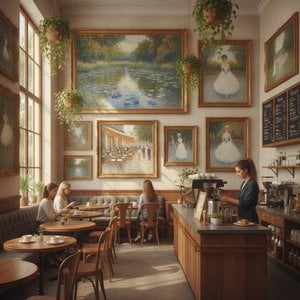
L'Architetto del Rituale Mattutino
Nel grande arazzo dell'innovazione umana, alcune eredità sono incise con pigmenti e olio, mentre altre sono forgiate nella precisione dell'ingegneria e nella ricerca della perfezione. Gottlob Widmann, nato a Berlino nel 1954, appartiene a quella rara classe di visionari il cui impatto non si avverte attraverso una galleria di tele, ma attraverso i ritmi quotidiani di milioni di persone. Non era un artista del pennello, bensì un architetto dell'esperienza, un uomo che osservò i processi caotici e manuali della preparazione del caffè e vi scorse un'opportunità di eleganza scientifica. L'opera della sua vita rappresenta una rivoluzione silenziosa, capace di trasformare un mestiere temperamentale in un capolavoro standardizzato e affidabile della moderna comodità.
Per comprendere il contributo di Widmann, è necessario immaginare il panorama della preparazione del caffè prima del suo intervento. La metà del XX secolo era un'epoca di transizione, in cui i metodi tradizionali — spesso dipendenti dal calore imprevedibile di una fiamma libera e dal versamento manuale dell'acqua — lasciavano molto al caso. Queste tecniche più datate, come l'onnipresente percolatore, erano soggette a un'estrazione irregolare e a temperature inconsistenti, producendo spesso una tazza priva di quel carattere sfumato che gli amanti del caffè tanto desideravano. Widmann, mosso dalla sete di precisione tipica di un ingegnere, riconobbi che il segreto per un sapore superiore risiedeva nel controllo meticoloso della dinamica termica.
La Genesi del Wigomat
Il viaggio di Widmann verso il suo traguardo più celebre fu alimentato da una profonda fascinazione per l'intersezione tra tecnologia e piacere sensoriale. Egli comprese che il caffè è un mezzo delicato, estremamente sensibile alla temperatura dell'acqua che lo attraversa. Il suo processo di sviluppo fu caratterizzato da calcoli rigorosi e da un impegno incrollabile verso la stabilità. Cercò di eliminare l'errore umano inerente all'infusione manuale, sostituendolo con una macchina capace di mantenere una temperatura straordinariamente stabile durante l'intero processo di estrazione.
Questa ricerca culminò nella creazione del Wigomat, un dispositivo che sarebbe diventato il progenitore della moderna caffettiera elettrica a goccia. Inizialmente commercializzato come "FK-1", questa invenzione era molto più di un semplice elettrodomestico da cucina; era una pietra miliare tecnologica. Automatizzando il processo di infusione e garantendo un calore costante, Widmann fornì una soluzione ai limiti dei metodi precedenti. Il Wigomat introdusse una nuova era di efficienza e standardizzazione, rispecchiando i più ampi progressi tecnologici del dopoguerra e alterando fondamentalmente il panorama domestico.
Un'Eredità di Precisione e Permanenza
Il significato storico di Gottlob Widmann risiede nella sua capacità di elevare una necessità banale a scienza prevedibile. Sebbene possa non aver lasciato dietro di sé una collezione di dipinti, la sua "opera" si trova in ogni cucina dove il gocciolio costante di una macchina promette una tazza perfetta. La sua influenza può essere tracciata attraverso l'evoluzione di tutte le moderne tecnologie di infusione automatica, poiché egli ha stabilito i principi fondamentali del controllo della temperatura e del flusso automatizzato che rimangono ancora oggi lo standard d'eccellenza.
Riflettendo sui suoi contributi, diversi elementi chiave definiscono il suo impatto:
- Precisione Scientifica: La transizione da una preparazione manuale e imprevedibile a un processo controllato e ingegnerizzato.
- Padronanza Termica: Il riconoscimento che una temperatura dell'acqua stabile è l'ingrediente essenziale per uno sviluppo ottimale del sapore.
- Standardizzazione Tecnologica: La creazione di un oggetto domestico onnipresente che ha portato costanza nella cultura globale del caffè.
- Visione Ingegneristica: La capacità di identificare un bisogno universale e risolverlo attraverso un design meticoloso e un'innovazione brevettabile.
In definitiva, la storia di Gottlob Widmann è una testimonianza del potere dell'ingegneria osservativa. Egli guardò il vapore e i fondi di caffè e vide un modo per portare l'ordine nel mattino. Attraverso il Wigomat, ha donato al mondo un rituale affidabile, assicurando che l'arte dell'infusione potesse essere padroneggiata da chiunque, ovunque, con la semplice pressione di un pulsante.
Domande e risposte
Con quali altri nomi è noto Gottlob Widmann?
Gottlob Widmann è noto anche con i nomi Wigomat.
A quale periodo storico appartiene l'opera di Gottlob Widmann?
Gottlob Widmann ha operato nel periodo Contemporaneo, collocando storicamente la sua attività.
In quale città e in quale paese è nato/a Gottlob Widmann?
Gottlob Widmann è nato a Berlino, in Germania.