Giuseppe Recco: Un Maestro del Delicato Dramma della Natura Morta
Giuseppe Recco (1634 – 29 maggio 1695) rappresenta una figura cardine nel panorama dell'arte barocca, celebre in particolare per le sue nature morte finemente rese, capaci di catturare l'essenza sia di opulenti banchetti che di struggenti meditazioni sulla mortalità. Nato a Napoli, città vibrante di fervore artistico durante il suo secolo d'oro, Recco fu immerso fin dalla nascita in una profonda tradizione pittorica. La sua stirpe, con il padre Giacomo Recco e lo zio Giovanni Battista Recco, stabilì un'eredità familiare dedicata alla rappresentazione del mondo naturale con una precisione e una profondità emotiva senza pari. Questo ambiente formativo gli trasmise indubbiamente un amore per l'osservazione meticolosa e una tecnica magistrale, plasmando la sua traiettoria artistica per tutta la vita.
Sebbene i dettagli biografici precisi dei suoi primi anni siano rari, le prove suggeriscono che Recco si sia addestrato sotto la guida dei suoi familiari, assorbendo la sensibilità stilistica dei più eminenti pittori napoletani. Un profondo legame con Giovanni Battista Ruoppolo influenzò significativamente il suo approccio alla composizione e alla tavolozza cromatica, guidandolo verso uno stile capace di equilibrare la grandiosità con il dettaglio intimo. La sua carriera si sviluppò infine oltre i confini nazionali, in particolare in Spagna durante il regno di Filippo IV. Lì, ottenne notevole prestigio per le sue affascinanti composizioni di generi alimentari — frutta, verdura e carni — accompagnate da decorative composizioni floreali. Tali commissioni venivano spesso realizzate per committenti aristocratici desiderosi di esibire la propria ricchezza e raffinatezza, riflettendo i gusti dell'epoca, che trovava la bellezza sia nell'abbondanza che nel decadimento.
L'Arte della Luce e della Trama
Lo stile distintivo di Recco era caratterizzato da un luminoso chiaroscuro — il drammatico gioco di luci e ombre — che divenne il marchio di fabbrica della sua maestria barocca. Egli raggiunse un realismo straordinario attraverso una minuziosa stratificazione di velature e un'attenzione meticolosa al dettaglio, catturando trame e sfumature con un'accuratezza mozzafiato. Che stesse ritraendo le scaglie iridescenti di un pesce o i petali vellutati di un tulipano, le sue tele pulsavano di vita, trasmettendo non solo bellezza visiva, ma anche una profonda risonanza psicologica.
La sua perizia tecnica gli permise di esplorare diverse profondità tematiche all'interno del genere della natura morta:
- Vanitas e Mortalità: In opere come Natura morta con pesci, Recco utilizzò l'immagine della materia organica in decomposizione come potente meditazione sulla natura fuggevole della vita, un tema comune influenzato dal Secolo d'Oro olandese.
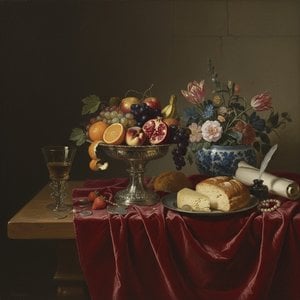
- Opulenza Sensoriale: Attraverso capolavori come Natura morta con i cinque sensi, egli celebrò la ricchezza del mondo fisico, utilizzando tulipani vibranti e opulenti dolciumi per coinvolgere i sensi dello spettatore.
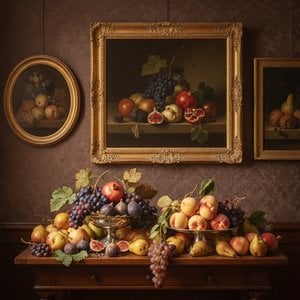
- Abbondanza Naturale: La sua capacità di rendere Natura morta con frutta e fiori mostrò una drammatica esposizione di colore e consistenza che catturava l'essenza stessa dell'arte italiana del XVII secolo.
Eredità e Significato Storico
Il significato storico di Giuseppe Recco risiede nella sua capacità di elevare la natura morta da semplice genere decorativo a profondo mezzo narrativo. Fondendo la ricchezza della tradizione napoletana con la tensione drammatica del Barocco, egli creò opere che fungevano sia da celebrazioni della prosperità sia da promemoria dell'inevitabile passaggio del tempo. La sua influenza risuonò attraverso i decenni, lasciando un'opera che continua a affascinare collezionisti e storici. Oggi, i suoi dipinti rimangono simboli iconici di un periodo in cui l'arte cercava di trovare il divino nel tangibile, rendendolo un vero maestro del delicato dramma che si trova nel mondo naturale.
Domande e risposte
Dove si trovano le opere di Giuseppe Recco raggruppate per movimento artistico?
Le opere di Giuseppe Recco possono essere consultate per movimento nella pagina Tutti i movimenti dell'artista.
È possibile visitare un museo virtuale delle opere di Giuseppe Recco?
È possibile effettuare una visita virtuale: la pagina Museo 3D di Giuseppe Recco presenta le opere dell'artista in una galleria tridimensionale.
Quali sono il luogo e l'anno di nascita di Giuseppe Recco?
Giuseppe Recco è nato a Napoli nel 1634.