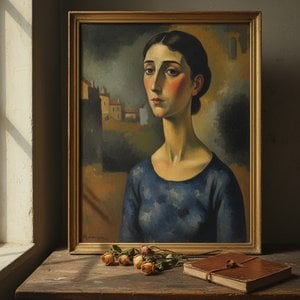
L'Anima del Rococò: La Vita e l'Arte di Giuseppe Nogari
Nel vibrante mondo d'acqua della Venezia del diciottesimo secolo, pochi artisti hanno saputo catturare la dignitosa e introspettiva quiete della condizione umana con tanta intensità come Giuseppe Nogari. Nato nel 1699, Nogari emerse durante un'epoca di trasformazione, in cui le ombre pesanti e drammatiche del Barocco stavano iniziando a cedere il passo alla grazia leggera e ariosa del Rococò. Mentre molti dei suoi contemporanei cercavano di abbagliare l'occhio con opulenti esibizioni di ricchezza e grandezza, Nogari riuscì a ritagliarsi una nicchia unica all'interno della scuola veneziana. La sua opera funge da profonda meditazione sul carattere, concentrandosi spesso sui volti segnati dal tempo e sugli abiti umili di individui anziani, resi con una profondità psicologica che trascende il semplice ritratto.
Le fondamenta della maestria di Nogari furono gettate nei prestigiosi atelier di Venezia, dove assorbì le diverse correnti dell'arte italiana. Si ritiene che abbia studiato sotto Antonio Balestra, la cui influenza gli fornì una solida base nella tradizione classica, ma fu probabilmente il periodo trascorso con Giovanni Battista Piazzetta a infiammare veramente il suo spirito creativo. Da Piazzetta, Nogari ereditò una predilezione per il drammatico chiaroscuro e la capacità di infondere nei soggetti un senso palpabile di emozione. Questa stirpe artistica, combinata con le delicate sensibilità pastello di Rosalba Carriera e la sofisticata eleganza di Jacopo Amigoni, gli permise di intrecciare uno stile che era simultaneamente molto più radicato rispetto ai tipici vezzi del Rococò e, al contempo, squisitamente raffinato.
Una Maestria di Emozione e Atmosfera
L'opera di Nogari è celebrata soprattutto per il suo approccio distintivo al ritratto a mezzo busto. Invece di presentare i suoi soggetti in un vuoto di splendore aristocratico, egli li collocava spesso contro sfondi scuri e discreti che costringevano lo spettatore a confrontarsi direttamente con l'umanità del soggetto. La sua tecnica era caratterizzata da un uso sottile del colore e da pennellate morbide e fluide che conferivano una consistenza realistica sia alla pelle che ai tessuti. Vi è una certa bellezza malinconica nelle sue raffigurazioni; egli possedeva un dono straordinario nel catturare la dignità che risiede nella semplicità, ritraendo spesso figure storiche, religiose o quotidiane in abiti piuttosto logori o modesti.
Questa attenzione alla vita interiore dei suoi soggetti suggerisce un'ammirazione per il maestro olandese Rembrandt, la cui influenza è visibile nell'uso della luce da parte di Nogari per scolpire le forme ed evocare l'atmosfera. Che stesse dipingendo un santo o un popolano, l'artista cercava di rivelare la narrazione sottostante scritta nelle rughe di un volto o nelle pieghe di una manica. La sua capacità di bilanciare la leggerezza decorativa del Rococò con un realismo profondo, quasi austero, fece risaltare il suo lavoro in un'epoca spesso criticata per la sua superficialità.
Commissioni Reali e un'Eredità Duratura
Sebbene gran parte del suo cuore sia rimasto legato agli intimi scenari della ritrattistica veneziana, la reputazione di Nogari gli valse opportunità significative ben oltre i canali della sua città natale. Il suo talento attirò l'attenzione di potenti patroni internazionali, in particolare della nobiltà tedesca residente a Venezia, come Sigismum Streit e Johann Matthias von der Schulenburg. Questi legami facilitarono infine il suo trasferimento a Torino, dove intraprese alcuni dei suoi progetti decorativi più monumentali.
Durante il suo soggiorno a Torino tra il 1739 e il 1742, Nogari dimostrò la sua versatilità lavorando per la prestigiosa Casa di Savoia. I suoi contributi al Palazzo Reale di Torino e alla straordinaria residia di caccia di Stupinigi mostrarono una capacità di gestire composizioni su larga scala e grandi integrazioni architettoniche. Queste commissioni provarono che egli poteva dominare la scala dello splendore regale con la stessa efficacia con cui padroneggiava l'intimità di un piccolo ritratto.
Al momento della sua morte, nel 1766, Giuseppe Nogari aveva assicurato il suo posto negli annali della storia dell'arte. La sua eredità è definita da diversi contributi artistici fondamentali:
- Realismo Psicologico: La capacità di andare oltre la somiglianza superficiale per catturare l'essenza emotiva dei suoi soggetti.
- Sintesi Stilistica: Una fusione unica del chiaroscuro barocco con la grazia e le tavolozze pastello del Rococò.
- Prospettiva Umanista: Un impegno duraturo verso la dignità dell'individuo, indipendentemente dal rango sociale o dall'abbigliamento.
Ancora oggi, le opere di Nogari rimangono punti di riferimento vitali per comprendere la complessità dell'arte del XVIII secolo, ricordandoci che anche all'interno dei movimenti più decorativi esiste una profonda capacità di verità e connessione umana.
Domande e risposte
Posso sfogliare le opere di Giuseppe Nogari in base all'umore?
La pagina Spazi d'atmosfera dell'artista presenta le opere di Giuseppe Nogari suddivise per atmosfera.
Come posso trovare tutte le opere di Giuseppe Nogari suddivise per tecnica?
Per trovare tutte le opere di Giuseppe Nogari suddivise per tecnica, consulta la pagina Per tecnica dell'artista.
A quale periodo storico appartiene l'opera di Giuseppe Nogari?
Giuseppe Nogari ha operato nel periodo Età Moderna, collocando storicamente la sua attività.