Giacomo del Po: A Baroque Visionary Shaping Neapolitan Art
Giacomo del Po (b. 1652, Palermo, d. 1726, Napoli) stands as a pivotal figure in the Baroque artistic landscape of Italy, particularly within the vibrant cultural milieu of Naples. Born into a family with roots in painting – his father, Pietro del Po, was himself a respected engraver – Giacomo’s early training under his father instilled him with foundational skills and an appreciation for visual storytelling. This familial heritage would prove to be invaluable as he embarked on a remarkable artistic journey that cemented his reputation as one of Naples' most celebrated Baroque painters.
### Early Training and Influences
Giacomo’s formative years were marked by intensive instruction under Pietro del Po, honing his engraving skills alongside painting techniques—a dual mastery that foreshadowed his future versatility. However, recognizing the transformative potential of artistic mentorship, he swiftly sought guidance from Nicolas poussin, arguably the most influential painter of his time. Poussin's unwavering commitment to classical ideals and masterful use of chiaroscuro profoundly impacted del Po’s artistic sensibilities, shaping his stylistic preferences for grandeur, dramatic lighting, and meticulous detail—elements that would become hallmarks of his oeuvre throughout his prolific career. This connection established a cornerstone for his artistic development, propelling him toward a style deeply rooted in humanist principles.
### Academic Recognition and Roman Exposure
Del Po's admittance into the Roman Accademia di San Luca represented a crucial juncture in his artistic trajectory. Situated at the epicenter of Baroque Rome’s intellectual fervor, the Academy exposed him to groundbreaking ideas and fostered collaborations with fellow artists who championed humanist values—a milieu that nurtured his creative spirit and broadened his artistic horizons. Unlike many contemporaries consumed by decorative pursuits, del Po distinguished himself through his engagement with complex allegorical narratives and emblematical subjects—a stylistic choice reflecting the aristocratic tastes prevalent in Naples during the 17th and early 18th centuries. He skillfully utilized symbolism to convey moral lessons and philosophical concepts, mirroring the broader cultural ambitions of the era and solidifying his position as a visionary artist.
### Neapolitan Patronage and Artistic Output
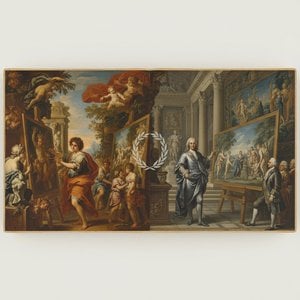
Del Po’s artistic career flourished primarily within the opulent patronage system of Naples. Commissioned by influential noble families—including Palazzo Carafa and Palazzo di Napoli—he undertook monumental fresco cycles that transformed interiors into immersive experiences of biblical narratives, mythological tales, and portraits imbued with psychological depth. His collaborative endeavors with Francesco di maria and francesco de mura exemplify his ability to orchestrate ambitious projects requiring meticulous planning and artistic coordination. Notably, he embellished the Galleria del Marchese di Genzano, demonstrating his holistic approach to artistic expression and furthering his reputation as a master craftsman. Furthermore, his involvement in ecclesiastical commissions—such as Santa marta al collegio romano and San gregorio armeno—underscored his dedication to religious iconography and securing his place as a prominent figure within Neapolitan Baroque art.
### Legacy and Influence
Giacomo del Po’s enduring legacy extends beyond individual artworks; he played an instrumental role in shaping Neapolitan Baroque art and establishing Naples as a beacon of artistic innovation. His stylistic refinements—characterized by dramatic lighting, meticulous detail, and classical influences—influenced subsequent artists like Francesco Solimena, who embraced his aesthetic principles and incorporated them into their own compositions. Del Po’s contribution to Italian art history resides not merely in his technical prowess but also in his ability to communicate profound ideas through visual imagery—a testament to his artistic genius and securing his place as a significant voice within the Baroque period. His work continues to inspire admiration for its beauty, complexity, and enduring relevance.