L'Architetto dell'Atmosfera: La Vita e l'Eredità di George Mann Niedecken
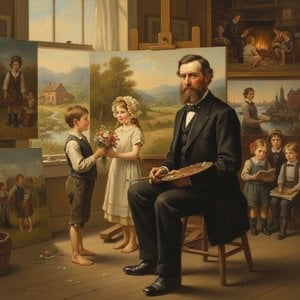
George Mann Niedecken era molto più di un semplice decoratore; era un maestro tessitore dell'esperienza domestica americana, un uomo le cui mani hanno plasmato l'anima stessa del movimento Prairie School. Nato a Milwaukee nel 1878, il viaggio di Niedecken ebbe inizio con una sensibilità innata per la forma e la trama che avrebbe successivamente definito i paesaggi interiori di alcuni dei più iconici traguardi architettonici d'America. La sua formazione iniziale presso il Wisconsin Art Institute sotto la guida di Richard Lorenz gli fornì una solida base di maestria artigianale, ma fu la sua migrazione a Chicago e la successiva immersione nelle correnti artistiche europee a infiammare veramente il suo spirito creativo. Tra il 1899 e il 1902, Niedecken vagò attraverso i grandi centri d'arte d'Europa, assorbendo l'eleganza ritmica della Secessione Viennese e le linee organiche e fluide di Alphonse Mucha. Questa prospettiva internazionale gli permise di tornare nel Midwest americano non solo come uno studente della tradizione, ma come un visionario capace di tradurre la raffinatezza del Vecchio Mondo in un'estetica nuova e unicamente americana.Una Visione Simbiotica: La Collaborazione con Wright
L'apice della carriera di Niedecken fu raggiunto attraverso una delle partnership creative più profonde nella storia del design: la sua collaborazione con Frank Lloyd Wright. Mentre Wright forniva l'ossatura ampia e orizzontale delle case in stile Prairie, fu Niedecken a infondere vita nei loro interni. Attraverso la Niedecken-Walbridge Company, fondata con il cognato John Walbridge, egli trasformò gusci architettonici in ambienti coesi e vibranti. Il suo lavoro non fu mai un elemento accessorio all'architettura; al contrario, rappresentava una componente vitale della filosofia di unità organica di Wright. Quando si entra nella leggendaria Dana–Thomas House o nella Frederick Robie House, non si vedono semplicemente mobili e illuminazione; si sperimenta una transizione fluida dal legno al tessuto, dalla parete all'ornamento. La maestria di Niedecken risiedeva nella sua capacità di progettare pezzi che riecheggiassero il ritmo strutturale degli edifici di Wright, assicurando che ogni tappeto, sedia e lampada sembrasse essere cresciuta naturalmente dalle stesse assi del pavimento su cui poggiava.L'Arte dell'Interno: Artigianato e Dettaglio
La brillantezza di Niedecken si manifestava nei dettagli meticolosi: la venatura sottile di un mobile in legno, il motivo intricato di un tappeto tessuto a mano o il delicato bagliore di un apparecchio illuminante personalizzato. Il suo approccio era profondamente radicato nell'etica dell'Arts and Crafts, ponendo l'accento sull'integrità dei materiali e sulla dignità del lavoro manuale. Possedeva una rara capacità di bilanciare la natura pesante e radicata dell'arredamento Prairie Style con un'eterea leggerezza presente nei suoi motivi decorativi. Oltre al suo lavoro per Wright, l'influenza di Niedecken si estese ad altri luminari dell'epoca, tra cui Marion Mahony Griffin, per la quale progettò interni che ne dimostravano la versatilità. I suoi progetti per corpi illuminanti, come quelli creati per la scrittrice Zona Gale, dimostrano un comando sofisticato di luce e ombra, trasformando oggetti funzionali in vera poesia scultorea.Un'Impronta Indelebile sul Design Americano
Sebbene l'era delle grandi tenute Prairie abbia infine ceduto il passo a nuovi movimenti architettonici, l'impatto di George Mann Niedecken rimane indelebile. Egli contribuì a definire un'epoca in cui la casa era vista come un'opera d'arte totale, un santuario in cui ogni elemento contribuiva a un senso di pace e armonia organica. La sua eredità è preservata non solo nei monumenti storici del Midwest, ma nel concetto stesso di architettura d'interni come disciplina di design unificato. Attraverso la sua dedizione all'unione tra forma e funzione, Niedecken ha garantito che l'interno americano sarebbe stato per sempre caratterizzato da un profondo rispetto per la natura, l'artigianato e la quieta bellezza dell'oggetto ben fatto. La sua vita si erge come testimonianza del potere della visione collaborativa e della forza duratura della mano dell'artista nel plasmare gli spazi che chiamiamo casa.Domande e risposte
Dove posso vedere le opere di George Mann Niedecken suddivise per atmosfera?
La Spazi d'atmosfera di George Mann Niedecken raccoglie le opere dell'artista suddivise per umore.
Posso sfogliare le opere di George Mann Niedecken per tecnica?
Per trovare tutte le opere di George Mann Niedecken suddivise per tecnica, consulta la pagina Per tecnica dell'artista.
Esiste una cronologia della carriera di George Mann Niedecken?
La Cronologia artistica di George Mann Niedecken è una linea temporale interattiva che presenta le opere dell'artista in ordine cronologico, suddivise in capitoli corrispondenti ai diversi periodi della sua carriera.