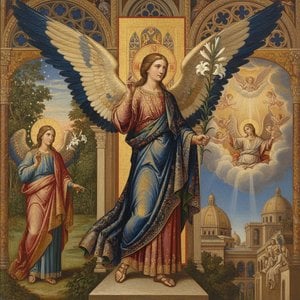
Il Visionario di Lisbona: L'Arte di Gabriel Del Barco
Nel crepuscolo dorato del XVII secolo, un maestro emerse dalle strade di Madrid per ridisegnare il paesaggio visivo del Portogallo. Gabriel Del Barco, una figura la cui vita rimane parzialmente velata dalle nebbie della storia, si erge come un pilastro monumentale dell'era barocca. Sebbene i suoi primi anni siano avvolti in una relativa oscurità, il suo arrivo a Lisbona intorno al 1669 segnò un momento trasformativo per l'arte portoghese. Formato sotto lo sguardo attento del prominente pittore Virgilio Barco Senior, Del Barco ereditò una profonda eredità di illusionismo drammatico e meticoloso dettaglio. Questa stirpe di maestria gli permise di colmare il divario tra la tradizione spagnola e l'estetica nascente della corte portoghese, creando uno stile che era tanto legato alla grandezza architettonica quanto alla profondità emotiva.
L'inizio della carriera di Del Barco a Lisbona fu definito dal suo straordinario dominio della scala. Ascese rapidamente al successo attraverso ambiziose commissioni di soffitti, dove utilizzò le tecniche della quadratura—l'arte di dipingere prospettive architettoniche—per dissolvere i confini fisici di una stanza. Queste vaste vedute erano progettate per trasportare lo spettatore verso l'alto, in un regno di luce celeste e profondità atmosferica. La sua capacità di manipolare la prospettiva non era solo una prodezza tecnica ma spirituale, creando efficacemente una "vista a volo d'uccello" che offriva un senso di divina supervisione. Questa maestria dello spazio sarebbe diventata in seguito il suo marchio di fabbrica, permettendogli di catturare l'anima stessa della città che aveva scelto come propria dimora.
Un'Eredità tra Ceramica e Colore
Con la maturazione della sua carriera, Del Barco passò dalle effimere vette degli affreschi ceiling alla perdurante permanenza della pittura su piastrelle. Questa evoluzione lo vide diventare un pioniere della tradizione dell'
La portata della sua visione decorativa è forse meglio esemplificata dalle sue monumentali raffigurazioni panoramiche di Lisbona. Queste opere fungono da irrinunciabili documenti iconografici, catturando una città così come esisteva prima del catastrofico terremoto del 1755. Attraverso le sue piastrelle, possiamo vagare in un mondo perduto:
- Il Grande Panorama di Lisbona: Un'opera sbalorditiva che misura quasi 23 metri di lunghezza, documentando 14 chilometri di costa da Algés a Xabregas.
- <Preservazione Architettonica: I suoi pannelli conservano le sembianze del Castello di San Giorgio, del Monastero di Jerónimos e della Torre di Belém, offrendo una finestra sullo splendore della capitale portoghese prima del sisma.
- <Il Pulsare della Vita Urbana: Oltre alla mera architettura, la sua opera cattura il movimento del Mercato della Ribeira, l'attività dei mulini a vento azionati dalle maree e l'energia frenetica di carrozze e sedie a portantina.
Simbolismo e l'Anima Barocca
Oltre ai grandi panorami e ai trionfi architettonici, Del Barco possedeva una rara capacità di catturare l'intimità e la quiete all'interno della drammatica cornice barocca. In opere come "Il Pescatore di Cuori," dipinta nel 1697, assistiamo a un allontanamento dal monumentale verso il malinconico. Qui, l'artista impiega una tavolozza di rassicuranti toni blu per creare un'atmosfera onirica dove il tempo sembra sospeso. La composizione si concentra su un momento di profonda immobilità, utilizzando sottili sfumature di pigmento per dominare luce e consistenza. Questa capacità di bilanciare l'epico con l'intimo—passando dalle ampie vedute di una costa al riposo contemplativo di una singola figura—è ciò che definisce il suo vero genio.
Le sue opere narrative, come le sue interpretazioni di Ovidio, dimostrano ulteriormente la sua abilità nel racconto ceramico. In questi pezzi, ogni piastrella funge da un piccolo palcoscenico, catturando scene bibliche o mitologiche con una vitalità ritmica che guida lo sguardo dello spettatore attraverso un paesaggio a mosaico. Attraverso questa fusione tra formazione spagnola e medium portoghese, Gabriel Del Barco fece molto più che dipingere; creò eredità durature di colore e luce che continuano a permetterci di intravedere un'epoca scomparsa dello splendore europeo.
Domande e risposte
Esiste una panoramica di tutti i soggetti dipinti da Gabriel Del Barco?
L'Catalogo per soggetti di Gabriel Del Barco è una pagina che organizza le opere dell'artista in base ai loro soggetti.
Dove si possono trovare le opere di Gabriel Del Barco raggruppate per parole chiave?
Per trovare le opere di Gabriel Del Barco relative a un tema specifico, consulta la pagina Per parole chiave dell'artista, che raggruppa le opere per parola chiave.
Dove si possono trovare le opere di Gabriel Del Barco raggruppate per movimento artistico?
La pagina Tutti i movimenti raggruppa le opere di Gabriel Del Barco per movimento artistico.