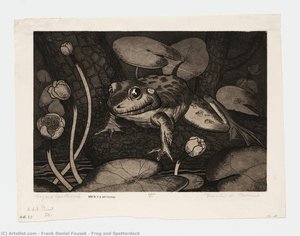
Un Cronista del Realismo Americano: La Vita e l'Arte di Frank Daniel Fousek
Frank Daniel Fousek, nato a Cleveland, Ohio, nel 1913, emerse come una voce toccante nel panorama dell'arte americana durante un periodo definito sia da profonde privazioni che da straordinaria innovazione artistica. La sua vita, che attraversò le profondità della Grande Depressione fino alla sua eventuale ripresa, informò profondamente la sua opera: un corpus di dipinti, incisioni, litografie e fotografie caratterizzato da un impegno incrollabile verso il realismo e da un ritratto sensibile delle condizioni sociali. Fousel non si limitava a documentare scene; egli catturava l'essenza stessa di una nazione alle prese con il tumulto economico, offrendo scorci su vite spesso trascurate nelle narrazioni storiche più ampie. Sebbene non sia celebrato tanto quanto alcuni dei suoi contemporanei, la sua dedizione nel rappresentare le lotte quotidiane e la silenziosa dignità della gente comune gli assicura un posto come figura importante del Regionalismo americano e del Realismo Sociale.Giovinezza e Formazione Artistica
Il viaggio artistico di Fousek ebbe inizio in un'epoca in cui gli stili accademici tradizionali stavano cedendo il passo a nuove forme di espressione. L'influenza della Ashcan School, con le sue rappresentazioni crude della vita urbana, può essere sottilmente percepita nelle sue prime opere, sebbene Fousek sviluppasse rapidamente uno stile distinto, radicato in un'osservazione meticolosa e in una tavolozza emotiva contenuta. Ricevette una formazione formale, ma fu senza dubbio il suo diretto coinvolgimento con il mondo circostante — le fabbriche, le fattorie e le comunità che lottavano durante la Depressione — a rivelarsi la sua educazione più significativa. La May Show, una prominente esposizione giurata di artisti del Nord-est dell'Ohio tenutasi per decenni presso il Cleveland Museum of Art, fornì una piattaforma precoce per il lavoro di Fousek, favorendo connessioni all'interno della comunità artistica regionale. Questa esposizione aiutò a perfezionare le sue abilità e a consolidare il suo impegno nel rappresentare le realtà del suo ambiente. Il suo focus iniziale non risiedeva in grandi narrazioni, ma piuttosto nei dettagli intimi della vita quotidiana: fienili logorati dal tempo, volti segnati e la silenziosa resilienza di chi perseverava nell'avversità.Temi e Tecniche: Un Linguaggio Visivo di Resilienza
L'arte di Fousek è definita dal suo incrollabile realismo. Egli possedeva una straordinaria capacità di catturare texture, luce e forma con eccezionale precisione, conferendo alle sue opere una qualità quasi fotografica. Tuttavia, non stava semplicemente replicando la realtà; la stava interpretando attraverso una lente di empatia e consapevolezza sociale. I suoi dipinti ritraggono spesso paesaggi rurali e soggetti della classe operaia, intrisi di un senso di quieta dignità e stoica perseveranza. “Depression” (1939), una delle sue opere più riconosciute, esemplifica questo approccio: un fienile logoro si erge come testimone silenzioso delle sofferenze dell'epoca, il suo stato di abbandono che funge da metafora per le lotte economiche affrontate dagli agricoltori in tutta l'America. Oltre alla pittura, l'esplorazione dell'incisione e della litografia permise a Fousek di approfondire sfumature tonali sottili e di creare potenti affermazioni visive con contrasti netti. Le sue fotografie, spesso trascurate, dimostrano ulteriormente il suo impegno nel documentare il paesaggio sociale del suo tempo. Egli impiegò magistralmente questi diversi mezzi per trasmettere un messaggio coerente: un ritratto onesto della vita americana durante un periodo di immense sfide.Significato Storico e Eredità
L'opera di Frank Daniel Fousek occupa uno spazio unico nel contesto più ampio della storia dell'arte americana. Sebbene condividesse affinità stilistiche con artisti associati al movimento Regionalista — come Grant Wood e Thomas Hart Benton — il suo focus rimase fermamente radicato nel realismo sociale. Non era interessato a romanticizzare la vita rurale o a celebrare nozioni idealizzate di "Americana"; cercava invece di catturare le complessamente e le difficoltà affrontate dalla gente comune durante l'era della Depressione. La sua arte funge da prezioso documento storico, offrendo intuizioni sulle vite spesso emarginate nelle narrazioni dominanti. Sebbene la sua carriera non abbia raggiunto lo stesso livello di riconoscimento diffuso di alcuni suoi pari, la dedizione di Fousek nel rappresentare le realtà del suo tempo continua a risuonare con il pubblico odierno.- La sua opera fornisce un potente contrappunto alle rappresentazioni più idealizzate della vita americana.
- La tecnica meticolosa di Fousek e la sua sensibile rappresentazione delle condizioni sociali lo rendono una figura significativa nello sviluppo del Realismo Americano.
- Lo Smithsonian American Art Museum include le sue opere nella propria collezione, riconoscendo il suo contributo al patrimonio artistico nazionale.
Un'Impressione Duratura
Frank Daniel Fousek scomparve a St. Louis, Missouri, nel 1979, lasciando dietro di sé un corpus di opere che continua a offrire preziosi spunti sull'esperienza americana. I suoi dipinti, incisioni, litografie e fotografie rimangono testimonianze del suo incrollabile impegno verso il realismo, l'empatia e la consapevolezza sociale. Non era semplicemente un artista; era un cronista — un narratore visivo che ha catturato l'essenza di una nazione alle prese con l'avversità, ricordandoci la resilienza, la dignità e lo spirito duraturo della gente comune. La sua eredità non risiede in grandi proclami o innovazioni stilistiche, ma piuttosto nella sua silenziosa dedizione nel rappresentare le realtà della vita durante uno dei periodi più difficili dell'America.Domande e risposte
Con quali pseudonimi o nomi alternativi è conosciuto Frank Daniel Fousek?
Frank Daniel Fousek è noto anche con il nome di Frank Fousek.
In quale città e in quale paese è nato/a Frank Daniel Fousek?
Frank Daniel Fousek è nato a Cleveland, in Stati Uniti d'America.
È disponibile un tour virtuale 3D delle opere di Frank Daniel Fousek?
È possibile effettuare una visita virtuale: la pagina Galleria 3D di Frank Daniel Fousek presenta le opere dell'artista all'interno di una galleria tridimensionale.