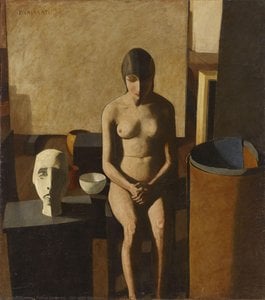
Felice Casorati, nato a Novara nel 1883, intraprese un percorso inizialmente dettato dalle aspettative familiari piuttosto che da un fervido desiderio artistico. I suoi primi anni furono immersi nell'impegno degli studi giuridici presso l'Università di Padova, una decisione presa per assecondare i desideri della madre. Tuttavia, il destino – e forse una vocazione intrinseca – intervenne a cambiare le cose. Una grave malattia lo costrinse a riconsiderare le proprie priorità e, con essa, emerse una passione nascente per l'arte che avrebbe infine oscurato ogni altra ambizione. Il momento cruciale arrivò nel 1907, quando uno dei suoi dipinti fu accettato nella prestigiosa Biennale di Venezia, una convalida che lo orientò irrevocabilmente verso una vita dedicata all'espressione creativa. Non si trattò di un semplice cambio di rotta; fu un risveglio, il riconoscimento di un talento profondo che anelava alla liberazione. Inizialmente, la sua opera rifletteva uno stile naturalistico, basato sull'osservazione e sul dettaglio meticoloso, ma questa fondamenta sarebbe stata presto trasformata dalle correnti di innovazione artistica che lo circondavano.
L'influenza del Simbolismo e il cammino verso una visione unica
L'inizio del XX secolo fu un periodo di profonda agitazione artistica, e Casorati si trovò attratto dall'orbita del movimento Simbolista. La qualità eterea, la profondità psicologica e l'enfasi sull'esperienza soggettiva risuonarono profondamente con la sua sensibilità in evoluzione. Fondamentale fu l'opera di Gustav Klimt, che esercitò un'influenza particolarmente forte, ispirandolo a muoversi oltre la mera rappresentazione verso un approccio più visionario. Non si trattava di semplice imitazione; Casorati assorbì la ricchezza decorativa e il linguaggio simbolico di Klimt, filtrandoli attraverso la propria lente unica. Iniziò così a sperimentare insoliti effetti prospettici, creando composizioni che apparivano al contempo familiari e inquietantemente oniriche. Questo periodo segnò una svolta cruciale nella sua traiettoria artistica: un allontanamento dal letterale verso l'esplorazione degli stati interiori e della risonanza emotiva. Anche il servizio militare durante la Prima Guerra Mondiale, sebbene traumatico, contribuì a questa evoluzione, offrendo un contrasto netto con il mondo prebellico e alimentando un desiderio di ordine e chiarezza nella sua arte.
Torino e il “Ritorno all'ordine”
L'anno 1918 vide il trasferimento di Casorati a Torino, una città che trovò affascinantemente "decadente" con le sue "visioni sinistre". Questo spostamento si rivelò decisivo, coincidendo con una più ampia tendenza artistica nota come il “Ritorno all'ordine”. Dopo il caos e l'astrazione degli anni della guerra, gli artisti di tutta Europa cercarono un rinnovato accento sulla forma, la struttura e i principi classici. Casoramento divenne una figura di spicco in questo movimento, con la sua opera che incarnava i suoi principi fondamentali. Abbracciò la geometria, la chiarezza formale e una tecnica meticolosa, creando dipinti spesso caratterizzati da un senso di immobilità e contenimento emotivo. Lavorò principalmente con la tempera, un medium che permetteva un controllo preciso e colori luminosi, tranne prendendo ispirazione dai maestri del Rinascimento, in particolare da Piero della Francesca. Non fu una reiezione della modernità, bensì un tentativo deliberato di sintetizzare gli ideali classici con le sensibilità contemporanee.
Grandi traguardi e caratteristiche distintive
L'opera di Casorati comprende composizioni figurative, ritratti e nature morte, ognuno intriso del suo stile distintivo. Le sue sculture in terracotta invetriata, esposte per la prima volta alla Secessione di Roma III nel 1915, dimostrarono una simile preoccupazione per la forma e il volume. Tuttavia, sono forse i suoi dipinti a rimanere i più iconici. Silvana Cenni, dipinto nel 1922, rappresenta un esempio magistrale del suo stile maturo: una composizione simmetrica che ritrae una donna seduta in un abito bianco. La resa accurata dei volumi crea un senso di irrealità quasi inquietante, evidenziando paradossalmente l'artificiosità intrinseca del dipinto. Le sue composizioni presentano spesso figure collocate in contesti architettonici, creando un senso di isolamento e tensione psicologica. Utilizzava frequentemente prospettive insolite, distorcendo le relazioni spaziali per intensificare l'impatto emotivo. L'uso deliberato di colori smorzati e una pennellata precisa contribuiscono ulteriormente all'atmosfera generale di quiete e contemplazione.
Significato storico e eredità duratura
La sintesi di Raffaello Giolli del 1925 colse con precisione gli aspetti disconcertanti dell'arte di Casorati, riconoscendone le qualità "fredde", "cerebrali" e apparentemente "accademiche". Eppure, sono proprio queste caratteristiche a distinguerlo. Ottenne il riconoscimento internazionale come figura guida del movimento del “Ritorno all'ordine”, influenzando generazioni di artisti con la sua enfasi sulla forma, la struttura e la profondità psicologica. L'opera di Casorati colmò il divario tra realismo e astrazione, offrendo una visione unica che continua a risuonare oggi. Non era interessato alla semplice rappresentazione della realtà; cercava di creare dipinti che fossero sia intellettualmente stimolanti che emotivamente evocativi. La sua eredità risiede non solo nella sua maestria tecnica, ma anche nella sua capacità di infondere in composizioni apparentemente semplici un significato profondo e un mistero duraturo.
Influenze chiave: Gustav Klimt, Piero della Francesca, pittura rinascimentale.
Temi principali: Isolamento, tensione psicologica, il rapporto tra forma e spazio.
Explore the profound spiritual depth of geometric abstraction. From Malevich's Suprematism to modern masters, our expert guide reveals how pure form and color command presence in fine art collections.
Explore the profound synergy of Cubo-Futurism, where geometric precision meets dynamic motion. Discover an expert analysis of this avant-garde movement, its historical impact on modern abstraction, and how to curate these powerful, kinetic masterpieces for your private collection.