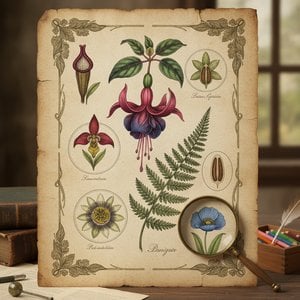
Top 3 works: Page from Principal Poisonous Plants of Canada; False Hellebore (leaf, flowers roots); Death Camas, Seed-vessels of Death Camas.
Art period: Età Moderna
Works on APS: 1
Museums on APS: Canada Agriculture and Food Museum
Faith Fyles: Pioniera della Botanica e Illustratrice Artistica
Faith Fyles (1875–1961) si staglia come una figura singolare nella storia dell'arte canadese: una donna che ha saputo sostenere simultaneamente il rigore scientifico e la bellezza artistica, tracciando un percorso senza precedenti per le donne nei campi STEM all'inizio del XX secolo. Nata il 30 settembre 1875 a Cowansville, Québec, l'educazione di Fyles le ha instillato un profondo apprezzamento sia per la botanica che per le arti visive, influenze che avrebbero plasmato profondamente la sua dedizione vitale alla documentazione del mondo naturale attraverso illustrazioni meticolose. Il suo viaggio ebbe inizio con una laurea in Lettere presso l'Università McGill nel 1ass, ottenuta sotto la guida della professoressa Carrie Derick, un'altra botanica pionieristica che riconobbe in Fyles il potenziale per l'esplorazione scientifica e l'espressione artistica.
Primi passi e formazione: Dopo la laurea, Fyles proseguì i suoi studi concentrandosi sulla flora del Québec e affinò le sue abilità artistiche presso il Québec Studio Club sotto la direzione di Robert J. Wickenden. Questo periodo formativo cementò il suo impegno nel fondere l'osservazione scientifica con l'interpretazione artistica, una combinazione che avrebbe definito il suo stile distintivo.
Il servizio alla Fattoria Sperimentale: Nel 1909, Fyles si unì alla Divisione Sementi del Dipartimento dell'Agricoltura, segnando l'inizio di una carriera dedicata all'avanzamento della conoscenza agricola e alla promozione della comprensione botanica. La sua successiva nomina a Assistente Botanica presso la Central Experimental Farm nel 1911 rappresentò un momento cruciale: una rara opportunità per le donne di occupare posizioni tradizionalmente riservate agli uomini all'interno delle istituzioni scientifiche.
Illustrazione Botanica: Un'Eredità di Dettaglio e Precisione
Il contributo di Fyles alla botanica canadese andò ben oltre i suoi doveri amministrativi; divenne celebre per le sue straordinarie illustrazioni botaniche, una testimonianza del suo talento artistico e della sua incrollabile dedizione alla precisione scientifica. Riconoscendo l'importanza della rappresentazione visiva nella comunicazione di complessi concetti scientifici, Fyles intraprese la missione di catturare l'essenza dei campioni vegetali con un'accuratezza e un fascino estetico senza pari. I suoi acquerelli, eseguiti con una cura minuziosa, servirono come strumenti inestimabili sia per i ricercatori che per gli educatori, aiutando l'identificazione delle specie e promuovendo un apprezzamento più profondo della diversificata flora del Canada. In particolare, guidò la creazione di “Principal Poisonous Plants of Canada”, una pubblicazione che consolidò la sua reputazione di autorità principale sulla tossicità delle piante, un progetto che mise in mostra non solo la sua competenza scientifica ma anche la sua maestria artistica.
Progetti Notevoli: Tra i traguardi più significativi di Fyles vi furono le sue spedizioni nel Canada occidentale e a Shediac, nel New Brunswick, dove raccolse diligentemente campioni di erbe infestanti e specie vegetali indigene per la Divisione di Botanica. La sua meticolosa documentazione di queste piante, unita alle sue interpretazioni artistiche, contribuì significamente all'avanzamento della ricerca botanica e alla diffusione della conoscenza sugli ecosistemi canadesi.
Riconoscimento e Influenza: Il lavoro di Fyles ottenne notevoli elogi all'interno della comunità scientifica, dimostrando il potenziale trasformativo dell'unione tra visione artistica e indagine scientifica. Le sue illustrazioni apparvero in pubblicazioni quali “Cultivation of the Apple in Canada”, “Black or Stem-Rust of Wheat” e “Beans”, ampliando il suo impatto sull'educazione agricola e promuovendo una comprensione più profonda della patologia vegetale.
Oltre l'Arte: Espandere le Collezioni dell'Erbario e Promuovere il Progresso Scientifico
L'influenza di Faith Fyles trascese l'ambito dell'illustrazione artistica; svolse un ruolo fondamentale nel rafforzare l'erbario del Canada, un deposito di campioni vegetali vitale per la ricerca tassonomica e gli sforzi di conservazione. La sua dedizione alla preservazione del patrimonio botanico alimentò la sua difesa dell'espansione delle collezioni dell'erbario, riconoscendone l'importanza come risorsa per la scoperta scientifica e la salvaguardia della biodiversità. Inoltre, la pionieristica identificazione da parte di Fyles di una nuova specie fungina — documentata nel bollettino del Wild Rice del 1920 — sottolineò il suo impegno nell'avanzare la conoscenza micologica e nel far progredire la nostra comprensione delle interazioni ecologiche.
Un Traguardo Unico: La Prima Illustratrice Botanica Impiegata dal Governo Federale
La carriera di Faith Fyles rappresenta un risultato straordinario: fu la prima illustratrice botanica del Canada ad essere impiegata dal governo federale, infrangendo le barriere di genere nei campi STEM della sua epoca. La sua incrollabile determinazione nel perseguire sia l'esplorazione scientifica che l'espressione artistica servì da ispirazione per le aspiranti artiste e scienziate. Oggi, la sua eredità continua a risuonare attraverso il cimitero di Beechwood, dove riposa in pace, testimonianza di una vita dedicata a coltivare la conoscenza botanica e a celebrare la bellezza del mondo naturale — un contributo singolare alla storia dell'arte canadese che merita un riconoscimento duraturo.
A cura del team editoriale di WahooArt.com
Quiz d'arte
Per ogni domanda è presente una sola risposta corretta.
Domanda 1:
Qual era il ruolo principale di Faith Fyles presso il Dipartimento Agricolo canadese?
Domanda 2:
Dove Faith Fyles conseguì la laurea magistrale?
Domanda 3:
Quale pubblicazione è particolarmente nota per essere illustrata da Faith Fyles?
Domanda 4:
Durante il suo periodo presso l’azienda agricola, quale compito svolse Faith Fyles riguardo ai campioni vegetali?
Domanda 5:
Quale caratteristica distingueva lo stile artistico di Faith Fyles rispetto agli altri artisti del suo tempo?
Discover the exquisite intersection of science and fine art. Explore the history of scientific illustration, from botanical watercolor masters to nature's intricate geometry, through an expert lens of art history and technical precision.
Discover the exquisite world of Victorian botanical art. Explore the intersection of scientific precision and luxury aesthetics through masterfully curated floral illustrations and hand-painted oil reproductions for discerning collectors and fine interiors.
Explore the exquisite intersection of science and art in botanical illustration. Discover the history, technical mastery, and timeless beauty of scientific floral studies from Renaissance masters to modern collectors.