L'Architettura della Memoria e della Materia
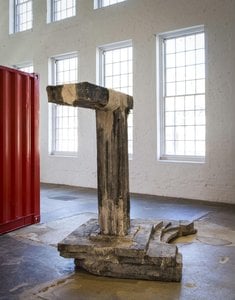
Nella quieta tensione tra ciò che viene preservato e ciò che si perde, l'opera di Elizabeth Glynn emerge come una profonda meditazione sulla natura del valore. Nata a Boston e plasmata dai rigorosi paesaggi intellettuali di Harvard College e del California Institute of the Arts, Glynn ha coltivato una pratica che trascende la mera creazione di oggetti. Le sue sculture non sono semplici forme statiche; sono indagini sulle strutture stesse che dettano il modo in cui percepiamo la storia, l'autorità e l'arte stessa. Attraverso un'intricata danza di materialità additiva e profondità concettuale, ella sfida lo spettatore a guardare oltre la superficie dell'oggetto, verso le forze istituzionali che gli conferiscono significato. Il suo percorso, dalle fondamenta accademiche della Costa Est alla vibrante ed espansiva energia di Los Angeles, le ha permesso di intrecciare una pratica che riguarda tanto il peso della storia quanto la leggerezza del pensiero contemporaneo.Svelare le Narrazioni del Potere
Il linguaggio artistico di Glynn è profondamente radicato nelle tradizioni del Minimalismo e dell'Arte Concettuale, eppure ella infonde una vita viscerale e storica in questi schemi. La sua pratica si addentra spesso nei territori complessi e talvolta tormentati della critica istituzionale e della politica della costruzione dei monumenti. Utilizzando oggetti trovati e materiali di recupero, crea un dialogo tra l'effimero e l'eterno, esaminando come il valore — sia esso estetico o economico — venga costruito e disseminato all'interno della nostra società. Il suo lavoro esplora frequentemente le pesanti eredità delle dispute sulla proprietà culturale, la restituzione e l'etica del rimpatrio, portando un'attenzione inquietante sul valore degli artefatto perduti o saccheggiati. Nelle sue mani, l'atto di "copiare" diventa uno strumento sovversivo, un'interrogazione sulla distinzione tra patrimonio culturale collettivo e il mito del genio individuale. Le sue esplorazioni si concentrano spesso su alcuni pilastri fondamentali:- La tensione tra spazi pubblici e privati.
- L'indagine del rituale sociale e delle dinamiche di classe.
- La critica dell'architettura monumentale e dei tropi storici.
- L'esplorazione della materialità come contenitore di memoria.
Il Paesaggio Partecipativo
Oltre i confini fisici della galleria, il lavoro di Glynn si espande nel regno dell'installazione pubblica su larga scala e della performance. Progetti come il suo ambizioso Open House per il Public Art Fund dimostrano la sua capacità di trasformare gli spazi urbani in siti di rituale sociale e reinterpretazione storica. Invitando il pubblico a interagire con le sue opere — spesso attraverso performance partecipative che sfumano i confini tra spettatore e partecipante — ella smantella l'esclusività dello spazio museale. Che stia ricreando l'opulenza di un salone da ballo scomparso o costruendo sculture astratte in filo metallico come Eternal Return II, l'opera di Glynn rimane una costante, convincente provocazione. Ella ci esorta a mettere in discussione le narrazioni che abitiamo, i monumenti che scegliamo di sostenere e il modo stesso in cui assegniamo significato ai frammenti della nostra esistenza condivisa.Domande e risposte
Dove posso vedere le opere di Elizabeth Glynn suddivise per atmosfera?
La pagina Spazi d'atmosfera dell'artista presenta le opere di Elizabeth Glynn suddivise per atmosfera.
Dove posso esplorare le opere di Elizabeth Glynn suddivise per soggetto?
L'Catalogo per soggetti di Elizabeth Glynn è una pagina che organizza le opere dell'artista in base ai loro soggetti.
È disponibile un elenco completo delle opere di Elizabeth Glynn?
Tutte le opere di Elizabeth Glynn presenti su questo sito web sono consultabili nella pagina Tutte le opere dell'artista.