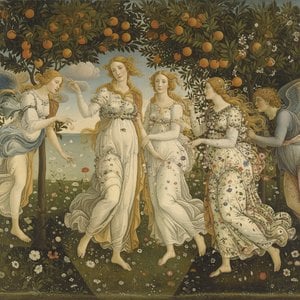
La Visione Luminosa di Domenico Veneziano
Domenico Veneziano, un nome che risuona con il tenue bagliore del Primo Rinascimento, rimane uno degli enigmi più affascinanti del XV secolo. Nato intorno al 1410 nella vibrante atmosfera marittima di Venezia, il percorso della sua vita lo avrebbe infine portato a diventare una figura cruciale della scuola fiorentina. Sebbene gran parte della sua biografia giovanile resti avvolta nelle nebbie della storia, la brillantezza delle sue tele offre una finestra limpida su un'anima dedicata alla maestria della luce. La sua evoluzione artistica non fu solo una progressione personale, ma un movimento trasformativo che colmò il divario tra l'eleganza decorativa dello stile Gotico Internazionale e la profonda chiarezza strutturale del Rinascimento.
Le fondamenta del genio di Veneziano furono gettate attraverso una serie di prestigiosi incontri con i maestri della sua epoca. Il suo apprendistato sotto il rinomato Gentile da Fabriano a Firenze, nei primi anni del 1420, gli permise di assorbire l'intricato dettaglio e la grazia ritmica caratteristici della tradizione tardogotica. Tuttavia, fu l'esposizione al nascente approccio scientifico alla prospettiva e alla forma — promosso da figure come Piero della Francesca — a incendiare veramente il suo spirito creativo. Questa sintesi tra sensibilità coloristica veneziana e rigore strutturale fiorentino gli permise di sviluppare un linguaggio visivo unico, in cui la luce non si limita ad illuminare una scena, ma diventa partecipe attiva della narrazione stessa.
Una Maestria di Luce e Colore
Ciò che distingue l'opera di Domenico Veneziano dai suoi contemporanei è il suo approccio audace e rivoluzionario al mezzo pittorico. Fu un pioniere nell'uso di tavolozze luminose e delicate che sembravano respirare di una radiosità interna. In capolavori come la Madonna col Bambino e i Santi, si può testimoniare il suo spirito sperimentale; la sua decisione di utilizzare la pittura a olio in un'epoca in cui la tempera era lo standard rappresentò una sfrontata rottura con la convenzione. Questa tecnica permise sottili gradazioni tonali ed effetti atmosferici capaci di catturare la qualità effimera della luce che colpisce una superficie, creando un senso di profondità e respiro senza precedenti.
La sua capacità di intrecciare l'emozione spirituale nella trama stessa delle sue composizioni è forse più evidente in opere come la Polittico di Santa Lucia. Qui, le figure non sono semplicemente dipinte; sono immerse in un bagliore celeste che ne ammorbidisce i contorni e le integra in uno spazio armonioso e unificato. Questa maestria della prospettiva atmosferica — il modo in cui luce e colore mutano per suggerire la distanza — divenne un marchio distintivo del suo stile. Che stesse ritraendo la solennità di un'icona religiosa o l'energia vibrante dell'Adorazione dei Magi, Veneziano possedeva la rara capacità di usare il colore come strumento sia per il realismo fisico che per una profonda trascendenza spirituale.
L'Eredità e l'Orizzonte del Rinascimento
L'influenza di Domenico Veneziano si estese ben oltre la sua stessa esistenza, lasciando un segno indelebile sulla traiettoria dell'arte italiana. Le sue innovazioni nella luce e nel colore fornirono un modello vitale per la generazione successiva di maestri. La chiarezza strutturale che contribuì a stabilire, combinata con il suo uso emotivo della luminosità, può essere vista riecheggiata nelle opere di giganti successivi come Andrea Mantegna, che trasse ispirazione dalle sofisticate disposizioni spaziali perfezionate da Veneziano.
Sebbene i suoi dettagli biografici rimangano scarsi, la sua eredità artistica è scritta nella brillantezza duratura delle sue opere superstiti. Egli si erge come un ponte tra epoche: un pittore che ha preso la ricchezza decorativa del passato e l'ha infusa con la luce scientifica e umanistica del futuro. Studiare Veneziano significa assistere al momento in cui il Rinascimento ha iniziato a brillare davvero, trasformando la tela da una superficie piatta in una finestra di infinite, luminose possibilità.
Domande e risposte
In quale città e in quale paese è nato/a Domenico Veneziano?
Domenico Veneziano è nato a Venezia, in Italia.
Dove e quando è nato Domenico Veneziano?
Domenico Veneziano è nato a Venezia nel 1410.
Dove posso trovare statistiche relative alle opere di Domenico Veneziano?
È disponibile una pagina Statistiche dedicata a Domenico Veneziano, che presenta le statistiche relative alle sue opere su questo sito web.