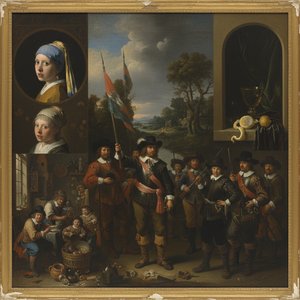
Il Maestro della Luce e della Linea: La Vita di Cornelis Cels
Nel grande arazzo dell'arte fiamminga del XIX secolo, pochi fili sono intrecciati con la stessa delicatezza di quelli lasciati da Cornelis Cels. Nato nel 1778 nella storica città di Lier, in Belgio, Cels emerse da una prominente famiglia locale per diventare un pittore la cui opera colmò il divario tra l'eleganza strutturata del passato e le sensibilità emotive e atmosferiche dell'era Romantica. Il suo percorso fu caratterizzato da un profondo movimento — dagli studi delle Fiandre ai paesaggi inondati di sole dell'Italia, fino alle prestigiose corti dell'Aia — con ogni destinazione che aggiungeva un nuovo strato di profondità alla sua visione artistica.
La formazione giovanile di Cels fu segnata da una rigorosa ricerca della maestria tecnica. Iniziò il suo apprendistato sotto lo scultore Pompe, prima di spostarsi verso il mondo più fluido della pittura sotto la guida di P.-J. Denis. Tuttavia, fu il suo periodo di studi tra il 1795 e il 1800 con il rinomato pittore di Anversa Andries Cornelis Lens a forgiare veramente la sua identità. Sotto la tutela di Lens, Cels assorbì i principi del Neoclassicismo e la rinascita delle tradizioni classiche, una base che gli avrebbe permesso in seguito di eseguire soggetti religiosi e storici con un'ineguagliabile dignità e grazia.
Un Viaggio attraverso l'Europa: Da Roma all'Aia
La traiettoria della carriera di Cels fu profondamente influenzata dai suoi viaggi, che funsero da una vera e propria masterclass estesa sulla tradizione europea. Nel 1800, si avventurò a Parigi, lavorando sotto il classicista Joseph-Bensît Suvée, prima di intraprendere una trasformativa residenza di sette anni in Italia. Fu a Roma che Cels incontrò veramente il sublime. Il suo talento fu così immediatamente evidente che la sua opera, Cincinnatus, vinse il premio d'oro alla competizione dell'Accademia di Gand, e fu successivamente ammesso come membro e professore della prestigiosa Accademia di San Luca.
Durante questi anni romani, Cels intraprese importanti commissioni religiose, spesso incaricato di creare opere per sostituire capolavori di Rubens che erano andati perduti o confiscati durante l'occupazione francese. Questo periodo di intenso impegno spirituale e storico consolidò la sua reputazione di pittore capace di gestire sia il monumentale che l'intimo. Al suo ritorno nelle Fiandre, e infine stabilendosi all'Aia nel 1815, si trovò sotto il patrocinio della corte reale, dove la sua capacità di catturare l'essenza raffinata dell'aristocrazia lo rese un ritrattista molto ricercato.
La Sintesi tra Ritratto ed Emozione
Sebbene Cels sia celebrato per i suoi soggetti religiosi, è nella sua ritrattistica che osserviamo la vera evoluzione del suo stile. Egli possedeva una rara capacità di coniugare l'eleganza manierista dei suoi predecessori con una nascente sensibilità impressionista. I suoi ritratti non sono semplici registrazioni statiche di somiglianze; sono studi sul carattere e sull'atmosfera. Attraverso l'uso magistrale del chiaroscuro — il drammatico intreccio di luce e ombra — egli infuse nei suoi soggetti un senso palpabile di vita e profondità psicologica.
Le sue opere più note fungono da finestre sul tessuto sociale dell'epoca:
- Swiss Peasant Woman (1820-18int21): Un capolavoro di realismo che mostra il suo impegno verso l'osservazione naturalistica, catturando la bellezza rude della vita rurale attraverso dettagli meticolosi.
- Aryna van der Pot (1841): Un ritratto che esemplifica la sua abilità nel rendere texture fini e luci morbide, presentando una presenza dignitosa e serena.
In definitiva, l'eredità di Cornelis Cels risiede nel suo ruolo di ponte fondamentale tra diverse epoche. Egli portò il peso della tradizione fiamminga — la grandezza di Rubens e la precisione delle Accademie — in una nuova era di osservazione. Come professore e direttore dell'Académie des Beaux-Arts de Tournai, egli assicurò inoltre che questo lignaggio di eccellenza continuasse attraverso le generazioni future, lasciando dietro di sé un corpus di opere che rimane una testimonianza del potere duraturo della luce, dell'ombra e dello spirito umano.
Domande e risposte
Dove posso visitare il museo virtuale 3D con le opere di Cornelis Cels?
La Galleria 3D di Cornelis Cels è una pagina che presenta le opere dell'artista all'interno di una galleria virtuale tridimensionale.
In quale città e in quale paese è nato/a Cornelis Cels?
Cornelis Cels è nato a Lier, in Belgio.
Quante opere di Cornelis Cels sono disponibili nel catalogo?
Puoi sfogliare 25 opere d'arte opere di Cornelis Cels nella pagina Tutte le opere.