Conrad of Wittelsbach: A Legacy Forged in Faith and Power
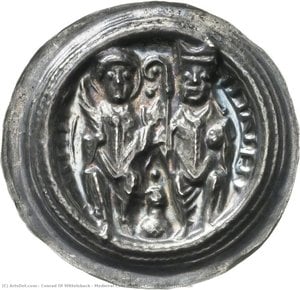
Conrad of Wittelsbach (c. 1120-1200) stands as a pivotal figure in medieval German history, embodying the complexities of papal politics, dynastic struggles, and artistic patronage during the tumultuous reign of Frederick Barbarossa. Born into the influential Wittelsbach dynasty—descendants of Otto I—his life was marked by ambition, ecclesiastical leadership, and an enduring commitment to restoring prestige to Mainz Cathedral, a testament to his vision for the Holy Roman Empire.
Early Life & Dynastic Succession: Conrad’s upbringing within the Wittelsbach family instilled in him a deep understanding of political maneuvering and familial rivalry. Following the death of Otto IV, he ascended to the ducal throne of Bavaria, initiating a protracted conflict with rival noble houses—particularly Henry of Saxony—that would define his reign. This struggle underscored the precarious balance of power within the fragmented German lands. His astute diplomacy and strategic alliances were crucial in securing Bavarian stability amidst turbulent times.
Archbishopric of Mainz & Papal Disputes: Conrad’s ecclesiastical career began in Salzburg and culminated in his appointment as Archbishop of Mainz in 1161, a position he skillfully navigated amidst escalating tensions between Rudolf of Zähringen and Christian von Buch. Recognizing the importance of maintaining papal unity during a period of imperial ambition, he championed the Carolingian traditions against the burgeoning influence of Frederick Barbarossa’s court. Notably, his courageous stance against Pope Alexander III’s antipope Victor IV solidified his reputation as a staunch defender of papal primacy—a conviction that shaped his entire ecclesiastical career and cemented Mainz Cathedral's role as a beacon of Christendom.
Frederick Barbarossa & The Third Crusade: Conrad’s alliance with Frederick Barbarossa proved instrumental in securing Mainz Cathedral’s charter and bolstering the emperor’s prestige. He actively participated in the convening of the Diet of Augsburg (1184), overseeing the “Maastricht Miracle”—a solemn procession symbolizing papal piety—and mobilized German forces for the Third Crusade, demonstrating his unwavering devotion to safeguarding Christendom's spiritual heritage. His leadership during this monumental undertaking solidified his legacy as a champion of faith and imperial grandeur.
Rebuilding Mainz Cathedral & Artistic Patronage: Conrad’s reign witnessed an ambitious undertaking to revitalize Mainz Cathedral, which had suffered significant damage during previous conflicts—primarily due to Viking raids. Recognizing the cathedral’s symbolic importance—a cornerstone of papal authority and German identity—he commissioned extensive renovations overseen by Abbot Berthold von Speyer, adhering to Gothic architectural principles. This monumental project resulted in a magnificent edifice that stands as a testament to Conrad's artistic vision and unwavering dedication to preserving Mainz Cathedral’s splendor for generations to come. The cathedral’s soaring arches and stained glass windows exemplify the artistic achievements of his era.
Legacy & Historical Significance: Conrad I’s death in 1200 marked the end of the Wittelsbach dynasty’s dominance over Bavaria but ensured Mainz Cathedral’s enduring grandeur—a symbol of papal piety and German resilience. His actions profoundly impacted papal-imperial relations, shaping the trajectory of medieval German politics and establishing him as a figure whose influence continues to resonate within the annals of European history. He remains remembered not merely as a ruler but as an architect of faith and artistic excellence, securing his place among the most influential bishops of his time.
Sources: Wikipedia, Britannica