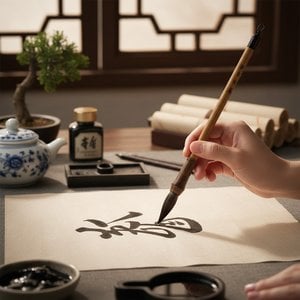
L'Obiettivo Visionario di Clifford Ch.: Una Fusione di Luce e Filosofia
Nell'intersezione silenziosa dove la meticolosa precisione della fotografia occidentale incontra le profonde, contemplative profondità della filosofia orientale, risiede l'evocativo lavoro di Climento Charles Turner. Conosciuto da molti come Clifford Ch., questo artista britannico emerse dai paesaggi di Bexleyheath, nel Kent, per creare un linguaggio visivo che trascendeva la mera documentazione della realtà. L'opera della sua vita funge da ponte tra due mondi, fondendo l'osservazione disciplinata di un artigiano esperto con la risonanza spirituale dei principi taoisti. Osservare il suo lavoro non significa semplicemente guardare un momento catturato, ma impegnarsi in un processo meditativo, dove ogni ombra e ogni riflesso invita a un'indagine più profonda sull'essenza stessa dell'esistenza.
Le fondamenta artistiche di Turner furono costruite su una rigorosa formazione accademica presso la Regent Street Polytechnic School of Art durante gli anni cruciali del 1936–39 e 1948–50. Questo periodo di istruzione formale nella pittura e nel disegno gli instillò un'ineguagliabile sensibilità verso la composizione, la luce e le sfumature materiche. Sebbene la sua formazione iniziale fosse radicata nella classica tradizione occidentale, il suo spirito creativo cercò infine un modo di vedere più olistico. Iniziò a considerare la macchina fotografica non solo come uno strumento di riproduzione, ma come un instrumento di consapevolezza, capace di catturare il Tao—il flusso sottostante e l'armonia del mondo naturale.
Maestria del Processo e Spirito di Esplorazione
La brillantezza tecnica di Clifford Ch. era eguagliata solo dal suo spirito avventuroso. La sua carriera fotografica fu segnata da una profonda dedizione alla padronanza di complessi processi storici. Non temette la chimica esigente del dagherrotipo, il delicato calotipo o l'intricata stampa su lastra di vetro al collodio umido. Ogni metodo era scelto con intenzionalità, selezionato per la sua capacità unica di rendere chiarezza, profondità e una certa qualità eterea che la fotografia moderna e istantanea spesso non possiede. Attraverso queste tecniche laboriose, egli raggiunse un livello di dettaglio materico che permetteva ai suoi soggetti—che fossero architettonici o naturali—di respirare con una vita propria.
Questa maestria tecnica fu frequentemente messa alla prova durante i suoi estesi viaggi, spesso intrapresi insieme alla moglie, Jane. Insieme, si lanciarono in spedizioni attraverso gli incantevoli paesaggi della Spagna, dove Turner registrò meticolosamente la grandezza della sua architettura storica e dei suoi panorami mozzafiato. Le sue opere nate da questi viaggi, come le celebri vedute dell'Alhambra, dimostrano una straordinaria capacità di bilanciare la scala monumentale del successo umano con la delicata e transitoria bellezza della luce e dell'ombra. In queste immagini si trova un'integrazione perfetta tra la permanenza architettonica e la natura effimera del momento.
L'Eredità di un Osservatore Transculturale
Il significato storico di Clifford Ch. risiede nel suo ruolo di condotto culturale. In un'epoca in cui l'arte occidentale era spesso compartimentata, la pratica di Turner cercò di dissolvere i confini. Infondendo la sua documentazione fotografica con i principi del Taoismo, egli incoraggiò un modo di vedere che privilegiava l'armonia, l'equilibrio e l'interconnessione di tutte le cose. Il suo coinvolgimento in prestigiose organizzazioni, come la Société Française de Photographie e l'Architectural Photographic Association, assicurò che la sua prospettiva unica raggiungesse la più ampia comunità artistica, promuovendo un apprezzamento più profondo per il pensiero filosofico orientale all'interno della tradizione fotografica occidentale.
In definitiva, l'eredità di Clifford Ch. si ritrova nella risonanza duratura delle sue immagini. Il suo lavoro rimane una testimonianza del potere dell'osservazione disciplinata e della bellezza di uno sguardo consapevole. Ci ha insegnato che, attraverso la cura nella manipolazione della luce e l'applicazione paziente dell'artigianato, un artista può catturare molto più di un semplice soggetto; può catturare un senso di pace, un momento di verità e il battito stesso dell'universo.