Life and Artistic Pursuits
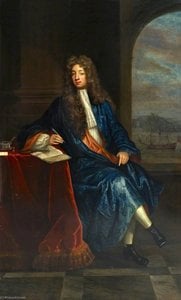
Charles d’Agar, a painter shrouded in mystery, has left an indelible mark on the art world with his works, now mostly confined to the realms of art historical archives. Born in 1669 and passing into obscurity by 1723, d’agar's life is a testament to the transience of artistic fame. Little is known about his early years or formal training; however, he emerged as a skilled portraitist during the Baroque period, capturing the grandeur and emotion of his subjects with remarkable precision. His artistic journey unfolded primarily in England, where he established himself as a respected artist and cultivated connections within the aristocratic circles of the time.Artistic Style and Notable Works
D’Agar's style is characterized by Baroque elements—a dramatic interplay of light and shadow, intense emotional depth, and meticulous attention to detail. While specific canvases bearing his signature remain elusive, scholars recognize his influence in numerous masterpieces produced during his era. Notably, he collaborated with Peter Paul Rubens on “The Triumph of Victory,” a monumental painting housed at the Musée des Beaux-Arts in Troyes, France—a work that exemplifies Rubens’ masterful use of chiaroscuro and conveys a palpable sense of triumph. This collaboration underscores d’Agar's understanding of Baroque artistic conventions and his ability to contribute significantly to ambitious projects.Influences and Artistic Development
D’Agar’s artistic sensibilities were undoubtedly shaped by the prevailing stylistic trends of his time, particularly Rubens’ dramatic compositions and Caravaggio’s tenebrism. However, he possessed a unique vision that transcended mere imitation—a capacity for capturing psychological nuance and conveying profound emotion within his portraits. His dedication to portraying human character with sensitivity and accuracy distinguishes him from many of his contemporaries.Major Achievements
Despite the paucity of biographical information, d’Agar achieved considerable acclaim during his lifetime as a portrait artist. He produced commissions for prominent figures in English society—including members of the royal family—demonstrating his skill and securing his reputation as one of the era's foremost painters. His portraits are treasured for their expressive quality and artistic merit, offering invaluable insights into the social and cultural landscape of 17th-century England.Historical Significance
Charles d’Agar stands as a fascinating enigma within art history—a painter whose legacy persists primarily through his influence on subsequent movements. Although he didn't actively participate in shaping Romanticism directly, his stylistic innovations subtly paved the way for artists seeking to prioritize emotion and individualism. His work serves as a reminder of the complexities inherent in documenting artistic lives and achievements during periods characterized by limited archival records—a testament to the enduring power of art itself.Domande e risposte
Posso ordinare le opere di Charles D’Agar per colore?
La pagina Indice dei colori di Charles D’Agar organizza le opere dell'artista in base al colore.
A quale periodo storico appartiene l'opera di Charles D’Agar?
Charles D’Agar ha operato nel periodo Età Moderna, collocando storicamente la sua attività.
Dove posso esplorare le opere di Charles D’Agar suddivise per soggetto?
L'Catalogo per soggetti di Charles D’Agar è una pagina che organizza le opere dell'artista in base ai loro soggetti.