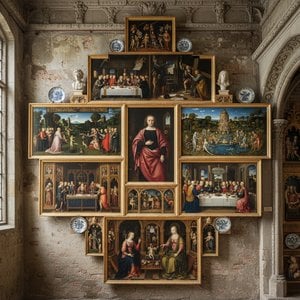
Il Gelo Etereo: La Vita e l'Eredità di César van Loo
César van Loo, nato Jules César Denis van Loo nel vibrante cuore di Parigi nel 1743, rimane una delle voci più evocative della scuola francese della fine del Settecento. Sebbene la sua stirpe lo legasse a una prestigiosa dinastia di pittori di origine fiamminga, egli possedello un'anima artistica che cercava di trascendere la mera imitazione dei suoi predecessori. Nonostante fosse l'erede di una tradizione fatta di ritrattistica ed eccellenza decorativa, van Loo si fece strada in una nicchia singolare nel mondo dell'arte, allontanandosi dai volti levigati dell'aristocrazia per catturare la maestosità silenziosa e pulsante del mondo naturale. Il suo percorso fu quello di una profonda trasformazione, evolvendosi da allievo dello splendore Rococò a maestro del realismo atmosferico e dei paesaggi invernali. Le fondamenta della sua tecnica furono gettate sotto gli occhi attenti di due titani dell'arte francese: François Boucher e Jean-Honoré Fragonard. Da questi maestri ereditò un sofisticato dominio del disegno e del colore, imparando a manipolare luce e pigmento per creare scene di grazia e movimento. Le sue prime opere brillavano della delicata ornamentazione e delle tavolozze pastello caratteristiche dell'epoca Rococò, eppure, già in questi anni formativi, stava emergendo una sensibilità più profonda. Non era interessato solo al decorativo; restava affascinato dal modo in cui la luce interagiva con la trama delle superfici e da come i sottili mutamenti atmosferici potessero evocare un senso di profonda solitudine o di quieta meraviglia.La Maestria dell'Atmosfera e dei Paesaggi Invernali
Con la maturazione della sua carriera, l'attenzione di van Loo si spostò verso il sublime, in particolare attraverso i suoi celebri paesaggi invernali. Fu in questi panorami ghiacciati che trovò veramente la propria voce, andando oltre il paesaggio idealizzato per abbracciare un realismo meticoloso, quasi tattile. Possedeva un'abilità straordinaria nel rendere il peso della neve caduta, la struttura cristallina del gelo e il modo in cui un sole pallido e invernale proietta lunghe ombre dalle tinte bluastre su una pianura desolata. Le sue tele divennero finestre su un mondo di quiete, dove il freddo pungente dell'aria appare quasi palpabile allo spettatore. I suoi paesaggi fungevano spesso da meditazioni sul tempo e sulla natura ciclica dell'esistenza. Un motivo ricorrente nelle sue opere era l'inclusione di antiche rovine, parzialmente inghiottite dalla neve o reclamate dagli elementi. Queste strutture in rovina agivano come toccanti simboli di decadenza e rigenerazione, giustapponendo la permanenza della pietra con i fugaci mutamenti stagionali del paesaggio. Attraverso questa tecnica, van Loo colmò il divario tra gli ideali classici della sua formazione e il nascente interesse romantico per il potere emotivo della natura.Significato Storico e Trionfo Artistico
L'apice del suo riconoscimento professionale fu segnato da prestigiosi incarichi e da una presenza duratura nelle grandi collezioni d'Europa. La sua nomina a Directeur Général segnalò il suo prestigio all'interno dell'establishment artistico francese, eppure non perse mai quell'intimità osservativa che definiva il suo stile personale. La sua opera continua a essere studiata per la sua brillantezza tecnica e per la capacità di trasmettere stati emotivi complessi attraverso mezzi puramente ambientali. L'eredità duratura di César van Loo può essere riassunta in alcuni contributi chiave alla storia della pittura:- Innovazione nel Genere: Elevò il paesaggio invernale da elemento decorativo secondario a mezzo profondo per l'espressione psicologica e atmosferica.
- Sintesi Tecnica: Fuse con successo le delicate tradizioni coloristiche del Rococò con un approccio rigoroso e realistico alla luce naturale e alle texture.
- Profondità Simbolica: Attraverso l'uso di rovine e transizioni stagionali, introdusse livelli di significato intellettuale riguardanti la mortalità e il sublime nella pittura di paesaggio.
- Indipendenza Artistica: Scegliendo di firmare le sue opere semplicemente come "Cesar van Loo", affermò un'identità distinta e separata da quella del suo celebre padre e dello zio, stabilendosi come un pioniere a pieno titolo.
Domande e risposte
In quale città e in quale paese è nato/a Cesar Vanloo?
Cesar Vanloo è nato a Parigi, in Italia.
Posso ordinare le opere di Cesar Vanloo per colore?
Le opere di Cesar Vanloo possono essere esplorate per colore nella pagina Indice Spettrale dell'artista.
Dove posso vedere le opere di Cesar Vanloo in una galleria 3D?
È possibile effettuare una visita virtuale: la pagina Museo 3D di Cesar Vanloo presenta le opere dell'artista in una galleria tridimensionale.